

Consumer perception of electric vehicles
- Published: 13/03/2026
- 12 minutes read

Consumer perception of electric vehicles
- Published: 13/03/2026
- 12 minutes read
Introduction
The electric vehicle (EV) revolution has been presented as an unstoppable force that will inevitably unfold. Governments around the world promote it. The automotive industry invests billions in its development. Analysts predict that the industry will grow at an accelerating pace. However, the latest research has revealed that consumers have different viewpoints about the electric vehicle industry, which engineering experts and governments do not seem to understand. The truth is that the electric vehicle industry’s future depends on what consumers think about it. Technology is dynamic and can change at any time, while consumers’ perceptions change gradually. Recent studies analyzing EV adoption show that most consumers believe electric vehicles represent the future of transportation, yet many still hesitate to buy one today. To understand why people hold back from buying electric vehicles, we need to examine consumer psychology, economic perceptions, and ownership expectations. Consumers decide to purchase an electric vehicle based on multiple factors that extend beyond environmental concerns. The consumer decision process is determined by their understanding of product prices, risks, and car repair costs. Electric vehicle adoption represents more than just a technology change. The process involves transforming consumer perception of electric vehicles.
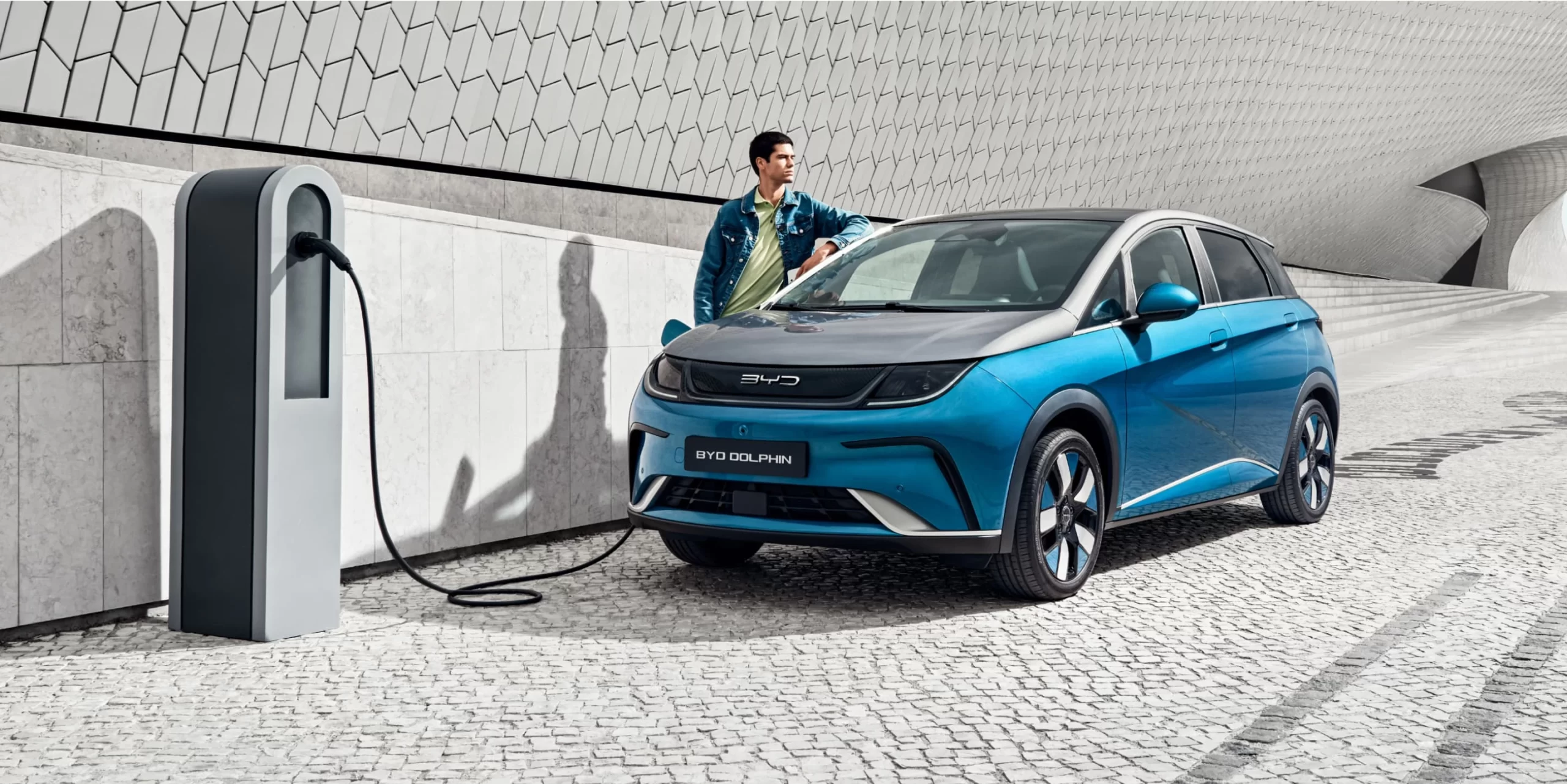
Why does EV cost still dominate consumer perception?
The purchase price of electric vehicles remains the most important factor that affects their adoption. The upfront cost of electric vehicles has a moderate to very strong influence on purchase decisions, whereas European consumer research shows that 37% of potential EV buyers cite high vehicle prices as their main concern. Price evaluation extends beyond its function as a basic cost. Price functions as a signal of uncertainty. The battery system is the most expensive component of electric vehicles, accounting for approximately 50% of the total vehicle cost. Consumers instinctively recognize this concentration of value. Traditional vehicles distribute costs across dozens of components, including the engine, transmission, fuel systems, exhaust, and mechanical assemblies. Electric vehicles concentrate that financial risk into a single technological system. The result is a subtle but powerful perception dynamic. People find internal combustion vehicles difficult to understand, while they keep their operational costs within fixed limits. Electric vehicles create a sense of operational simplicity, leading to unpredictable financial outcomes. Consumers may accept higher prices if they believe costs are predictable. The uncertainty about long-term battery replacement creates hesitation, even among interested buyers.
EV: cheap to drive, expensive to worry about
The operating expenses of electric vehicle ownership are still one of the main consumer perceptions of the EV. The research findings show that electric vehicles operate at a cost of approximately $0.014 per kilometer. The research findings show that gasoline vehicles operate at a cost of approximately $0,1 per kilometer. The price difference between electric and gasoline vehicles should make electric vehicles the more economical option. However, the pattern of consumer purchasing decisions does not always match this economic pattern. Why is it like this?
- The majority of consumers make purchase decisions based on immediate spending patterns.
- The daily cost of operating a vehicle decreases.
- The battery system requires expensive repairs.
Electric vehicle ownership creates a psychological conflict in decision-making. The psychological decision-making conflict arises from two distinct forces- price reduction and cost impact.
Maintaining internal combustion (IC) vehicles requires multiple minor service tasks. Maintaining electric vehicles requires fewer service tasks. Electric vehicles present one main financial danger through their operational costs – battery. Even if the probability of battery failure is low, the size of the potential cost dominates consumer thinking.
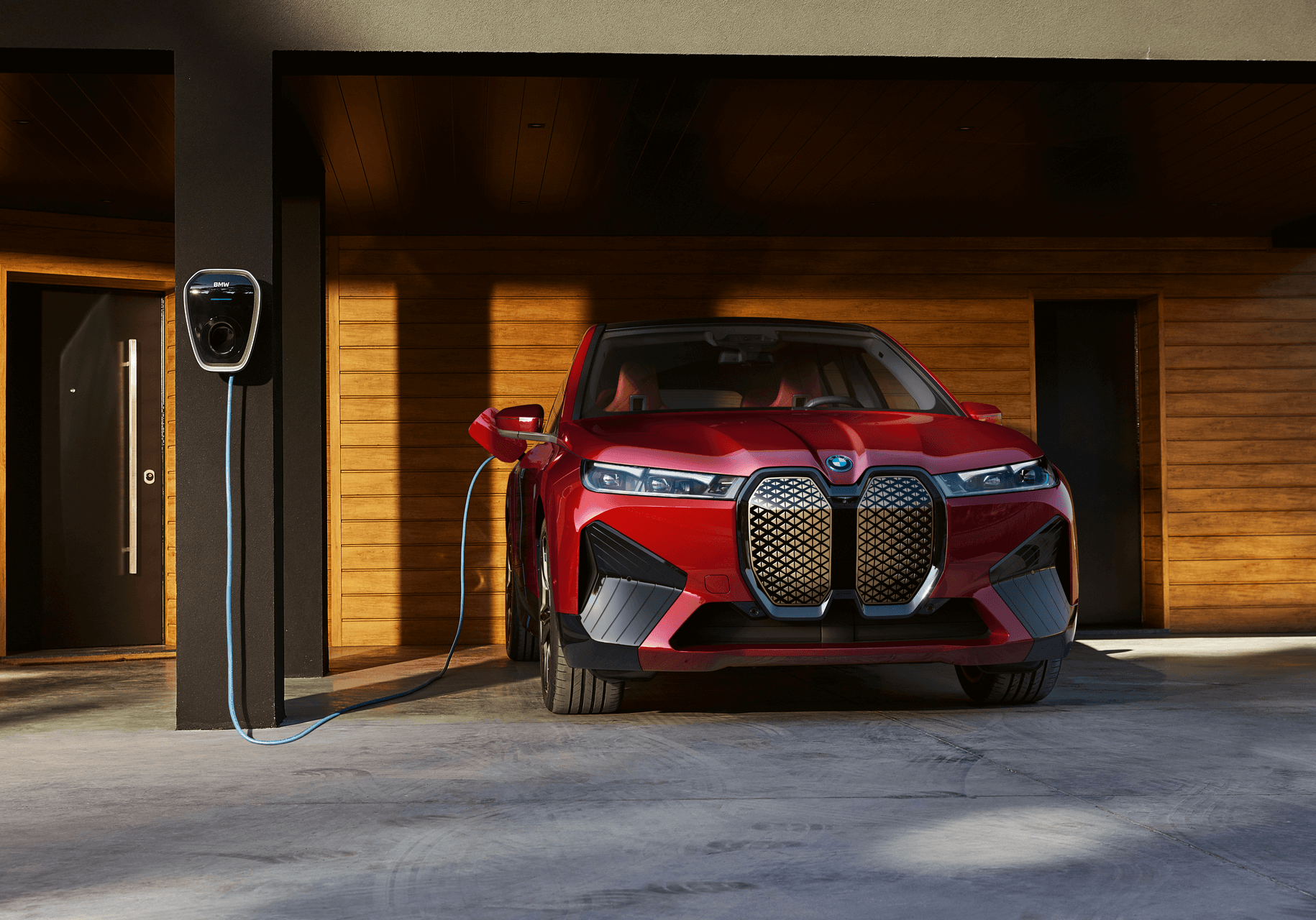
Range anxiety
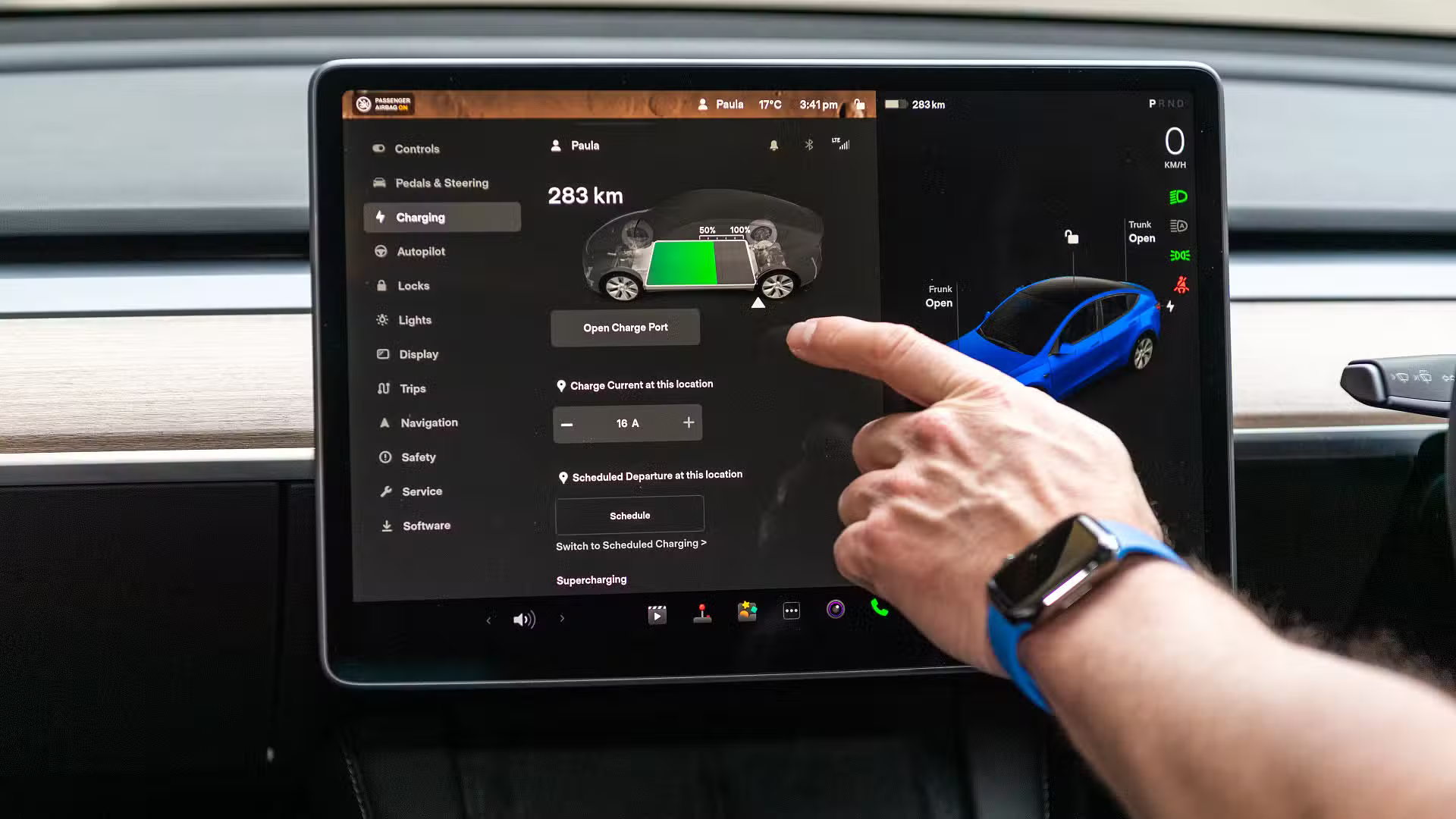
Driving range is another barrier to owning an EV for many people. Many researchers claim buyers expect electric vehicles to offer at least 200 miles (approximately 320 km) of range to feel comfortable using them regularly. On the other hand, European studies show even higher expectations, with many drivers wanting around 500 km of range before they would consider switching from internal combustion vehicles. Most of today’s electric vehicles already deliver driving ranges that meet customer expectations. The gap between expectation and capability highlights something important. Range anxiety is rarely about daily driving needs. Instead, it reflects loss of perceived control. Consumers evaluate vehicles based on rare but stressful scenarios:
- Long-distance travel
- Unexpected detours
- Limited charging availability
Drivers expect their vehicles to provide enough range so they can drive without having to monitor their energy consumption. IC vehicles provide what might be called energy invisibility. Drivers rarely think about fuel until the tank is nearly empty. Electric vehicles make energy more visible. Drivers must think about charging schedules, infrastructure, and battery levels. The way people behave now produces a stronger effect on their beliefs than technical specifications do.
Charging infrastructure
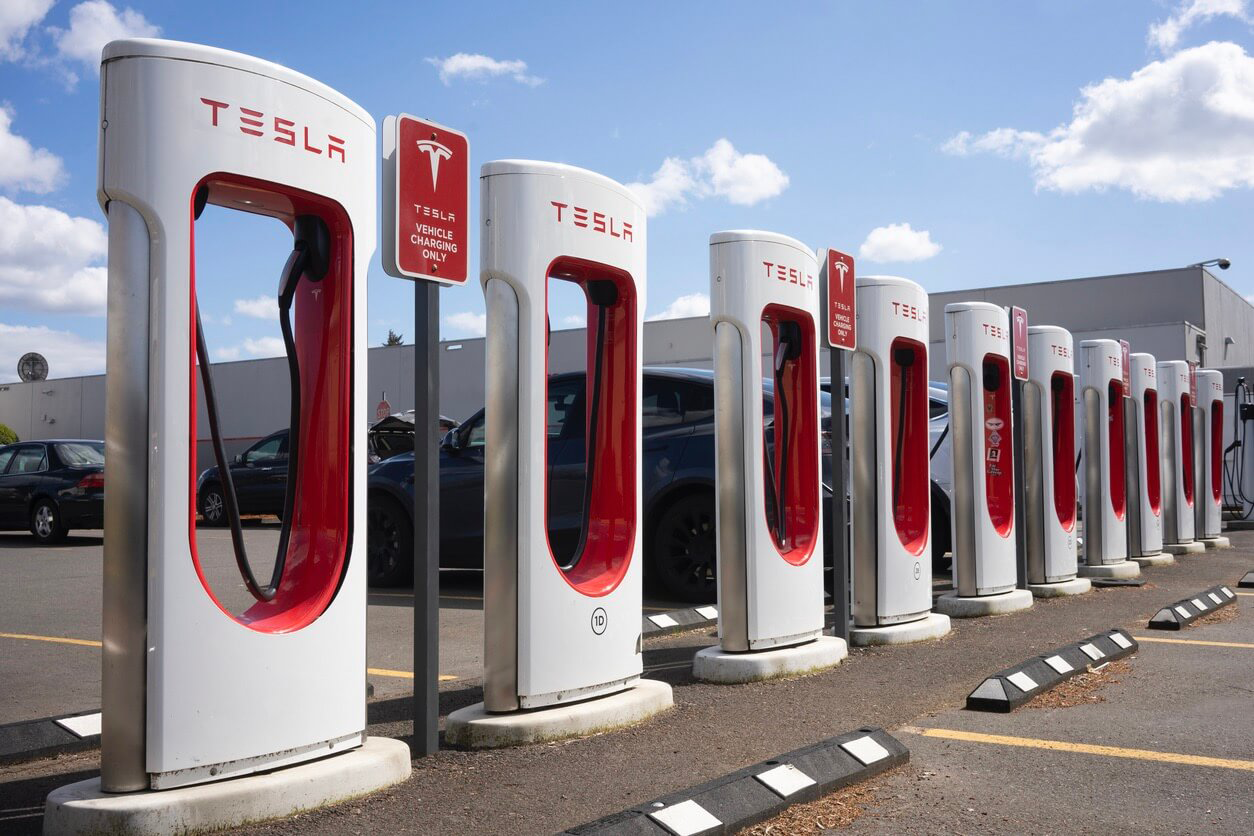
Concerns about charging infrastructure further support a change in consumers’ perceptions.
Time spent charging has a moderate impact on EV purchases, whereas the availability of charging stations has a slightly lower influence compared to price-related factors. Consumer perception is not focused on charging infrastructure statistics but on “behavioral friction.” The conventional refueling time is around five minutes, and there is no need to plan in advance. The refueling time for EVs is impacted by the charging time. Even in cases where there are adequate charging stations for daily use, there is a perceived change in:
- Long refueling/recharging time
- Necessary planning
- Present dependence on infrastructure
This is a significant psychological change in perception. The conventional vehicle provides spontaneous mobility, and the EV provides planned mobility. The perception of spontaneity is more relevant to the consumer than the number of charging stations.
Maintenance perception
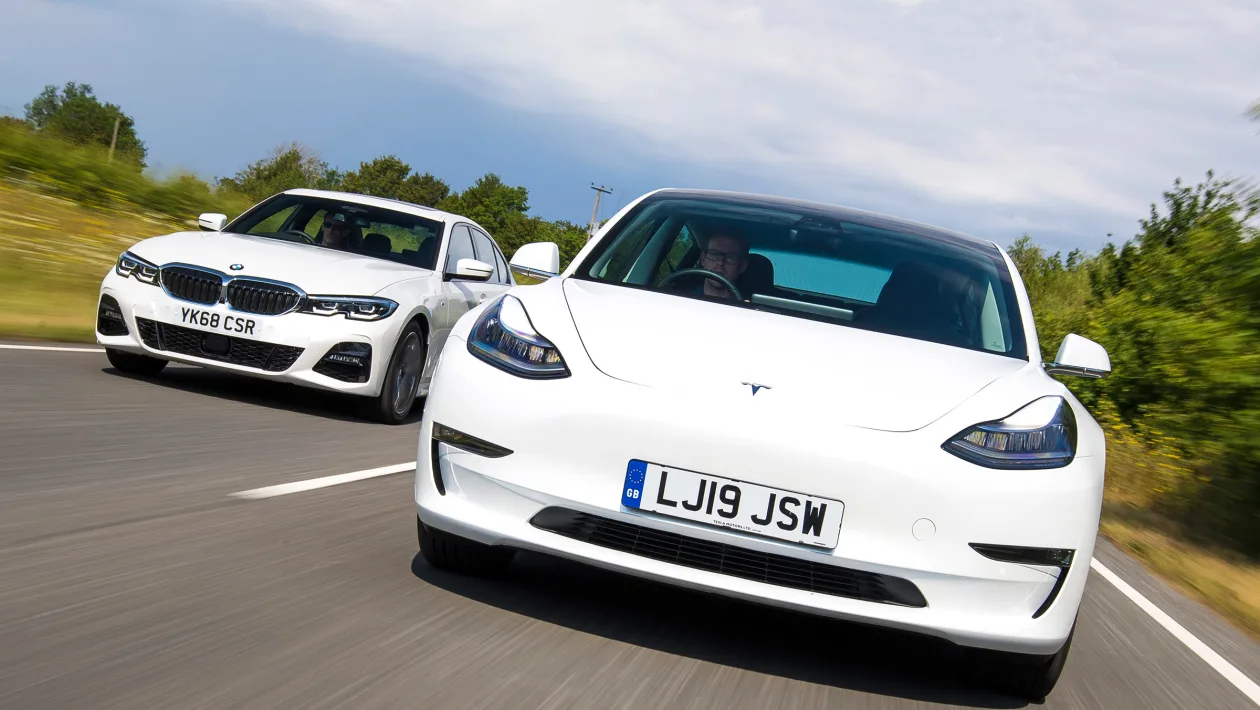
Electric vehicles provide a mechanical advantage that is seldom disputed. Electric vehicles remove many traditional automotive components, such as:
- Engine oil systems
- Complex transmissions
- Exhaust systems
Maintenance cost, maintenance time, and ease of maintenance moderate EV perception, largely because there are fewer moving parts. However, the perception of maintenance is not necessarily determined by the vehicle’s mechanical simplicity or complexity. Another factor is the repair ecosystem. Traditional internal combustion-powered vehicles have had decades to develop repair ecosystems. Independent repair shops, aftermarket parts suppliers, and knowledge bases all contribute to the perception that repair is accessible. Electric vehicles are different.
Electric vehicles are more dependent on:
- Specialized technicians
- Diagnostic software
- Manufacturer-specific technology
From a perception perspective, there is a different attitude toward owning these vehicles. Traditional vehicles are seen as mechanically simple and accessible. Electric vehicles are seen as technologically advanced but less repairable by the average consumer. This is similar to the difference between a mechanical watch and a smartphone. Both are technologically advanced devices, but one is considered repairable, and the other is considered integrated.
Battery replacement: the largest psychological barrier
Among all EV parts, the battery plays the largest role in consumer perception. Battery replacement costs were found to be of key importance to consumers in all surveys. There is a consumer perception that battery warranties must extend for at least five years or 100,000 miles. This is part of a larger perception dynamic. Consumers perceive regular maintenance events over time: brake replacement, engine maintenance, and transmission work. Electric vehicles condense all financial risk into a single component. The battery is the symbolic risk of EV ownership. Even if battery reliability is significantly improved, perceptions of potential replacement costs will always be part of consumer decisions.
Vehicle modification and consumer control
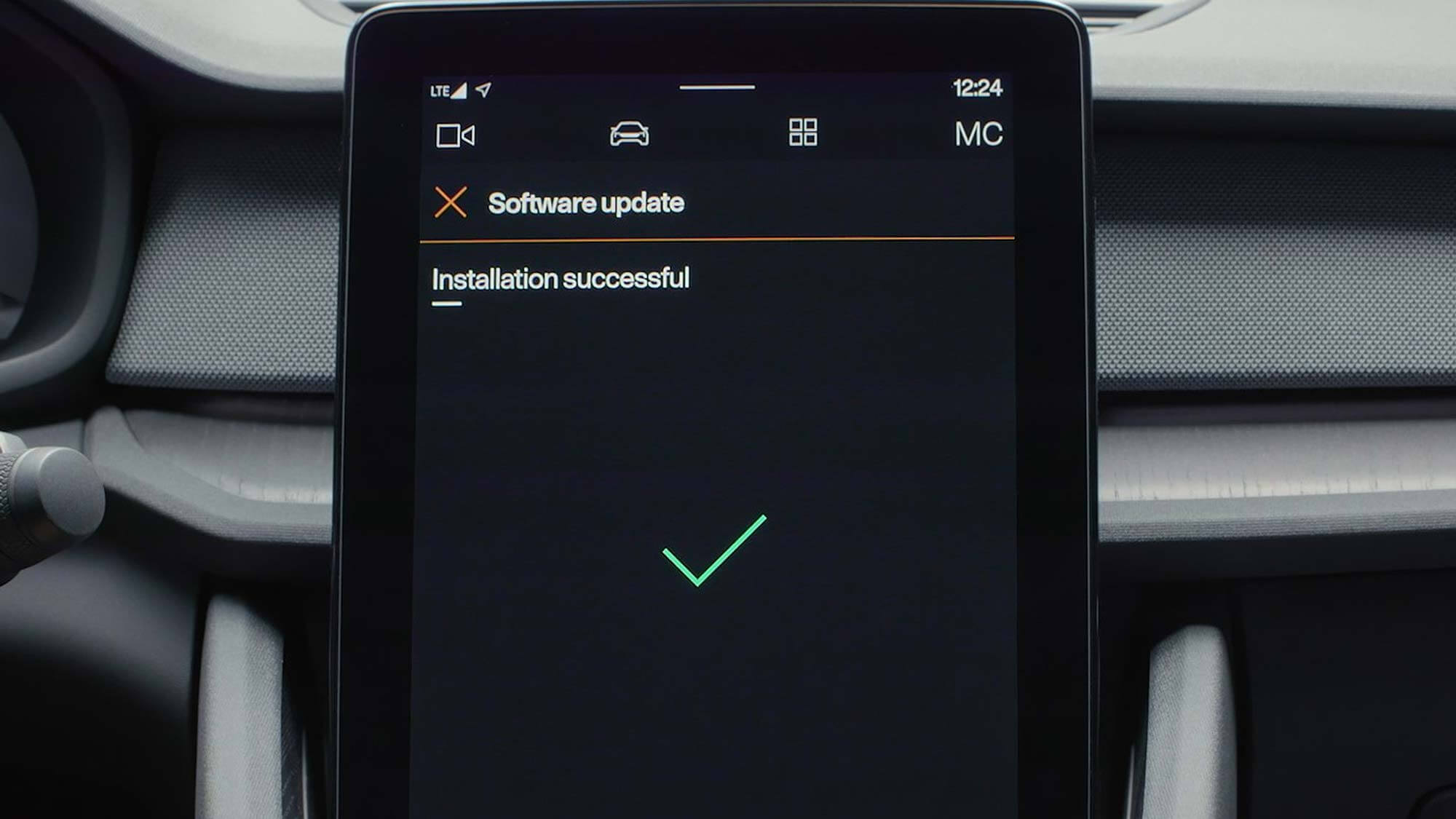
Car culture has traditionally been based on mechanical modification. For internal combustion engine vehicles, the most common forms of modification are:
- Engine tuning
- Upgrading the exhaust
- Upgrading mechanical performance parts
Electric vehicles, however, change the dynamics of the equation. This is because, with electric vehicle technology, the emphasis on integrated electronics and software control means the primary method of improving the vehicle will be software-based rather than mechanical. Consumers perceive electric vehicles as needing software upgrades to enhance performance, efficiency, or functionality. From a consumer perspective, the electric vehicle culture will gradually shift toward digital upgrades rather than traditional engine modifications. This means that, instead of having to modify the engine, the consumer will be upgraded to new features that some will find desirable and others undesirable.
Performance perception
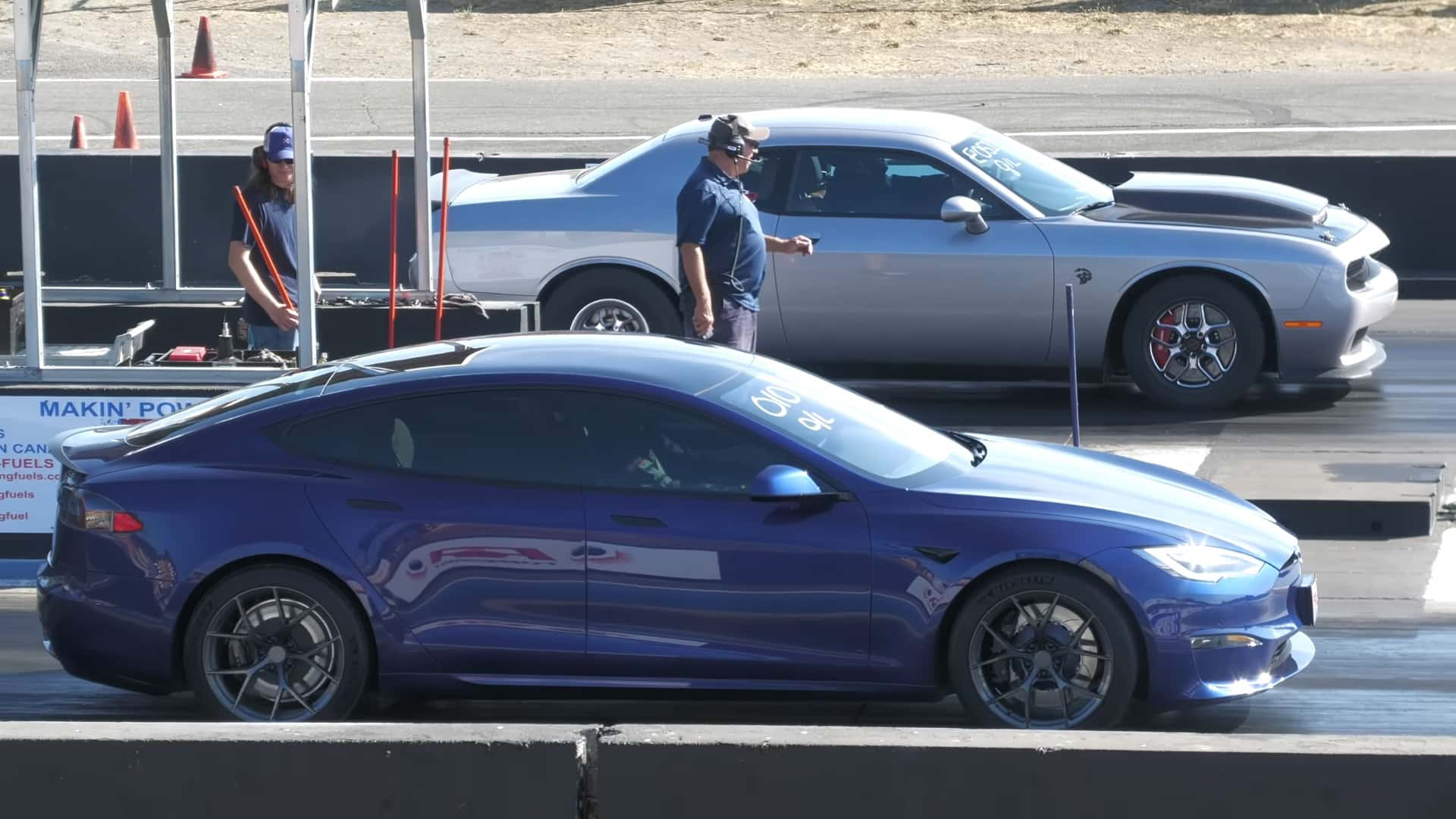
One aspect where there has been a huge shift in the perception of EVs is performance. Today, consumers increasingly associate electric vehicles with:
- 0 to 60 mph (0-100 km/h) acceleration in under 7 seconds
- Speeds of 80 to 90 mph (120-150 km/h), with premium products going even higher
Electric motors enable this by providing instantaneous torque. This has been instrumental in redefining the image of electric vehicles. Electric vehicles are no longer viewed as just environmentally friendly vehicles but also as high-performance products with advanced technology. This is an important factor that has influenced the consumer perception of electric vehicles.
Environmental motivation is often secondary
Environmental benefits are often cited to encourage people to use EVs, but research has found that they are not usually the main reason for purchase. Surveys of consumers in Europe found that sustainability issues are not as important to consumers as other factors, such as price, range, and charging infrastructure. Nevertheless, environmental perception plays an important role in justifying purchasing decisions. There are often other, economic or technological, reasons for purchasing an EV, and sustainability issues are then used to justify the decision. Sustainability often functions as confirmation rather than motivation.
Why do consumers believe in EVs but delay buying them?
Another interesting finding in EV research concerns the difference between belief and action.
European surveys have shown that 80% of consumers expect to own an EV in the future. However, they are unsure whether to buy one today. This is just an adoption curve. Consumers believe the technology will eventually dominate the market, but they prefer to adopt it once key uncertainties have declined. These include:
- Vehicle costs
- Driving ranges
- Charging times
- Infrastructure coverage
In business organizations, EVs are not being adopted due to a lack of trust in technology. Companies are practicing strategic patience – monitoring cost curves, infrastructure growth, and battery economics before committing at scale.
EV consumer psychology
The perception of electric vehicles is influenced by four basic psychological factors.
- Financial certainty is the factor that influences whether or not the consumer trusts the long-term cost of owning the vehicle.
- Mobility confidence is the factor that influences whether or not the consumer trusts the electric power used to propel the vehicle.
- Repair ecosystem maturity is a factor that influences the perception of the vehicle’s reliability and maintainability.
- Technological identity is the factor that influences whether an electric vehicle is seen as a digital platform or a mechanical machine.
This is the reason for the steady and gradual progress toward electric vehicles. Consumers are not rejecting electric vehicles. They are waiting for the time when owning an electric vehicle is as predictable as the technology itself.
Insights for the automotive industry
The EV revolution will not be shaped just by technological breakthroughs. It will be shaped by how well automotive brands can change consumer perception. Technology can fix engineering problems quickly. Changing consumer perception of EVs is a long-term effort. And in markets where trust is everything, like automotive, perception can often drive adoption rates for innovation more than innovation itself. To accelerate the EV revolution, the industry needs to do more than just build better electric vehicles. They need to build consumer trust in the ownership model itself.
Conclusion
Electric vehicles (EVs) aren’t just changing the automotive industry; they are changing the way consumers think about vehicle ownership, risk, and mobility. The research has shown that while consumers perceive EVs as the future of transportation, their actual decision to purchase an EV is based on perceptions of financial certainty, mobility, confidence, repairability, and trust in technology. The low operating cost, superior performance, and simplicity of the mechanical configuration are favorable factors for EVs. However, ongoing battery replacement concerns, availability of charging facilities, and the development of a repair ecosystem continue to affect consumers’ perceptions of the long-term value of EVs. The net effect is that belief in EVs is extremely high; however, adoption is gradual as consumers wait for the ownership risk to become more predictable. For automotive brands, the strategic implications are obvious: the shift to EVs won’t be driven by technology alone, but by understanding and managing consumer perception.
As discussed in “How to Build a Marketing Strategy to Respond to a Market Downturn,” successful strategies are built on understanding how consumers reframe value, risk, and spending in response to changing markets. Ultimately, consumer perception, whether in response to a recession or a technological revolution, will drive the pace of change in the automotive industry.
In the end, the companies that succeed in an EV world won’t be those that make better electric cars. Some will build greater confidence in the overall experience.