Ferrari Luce - a rebrand of a legend, or a model that lost its spirit
- Published: 24/06/2026
- 6 minutes read
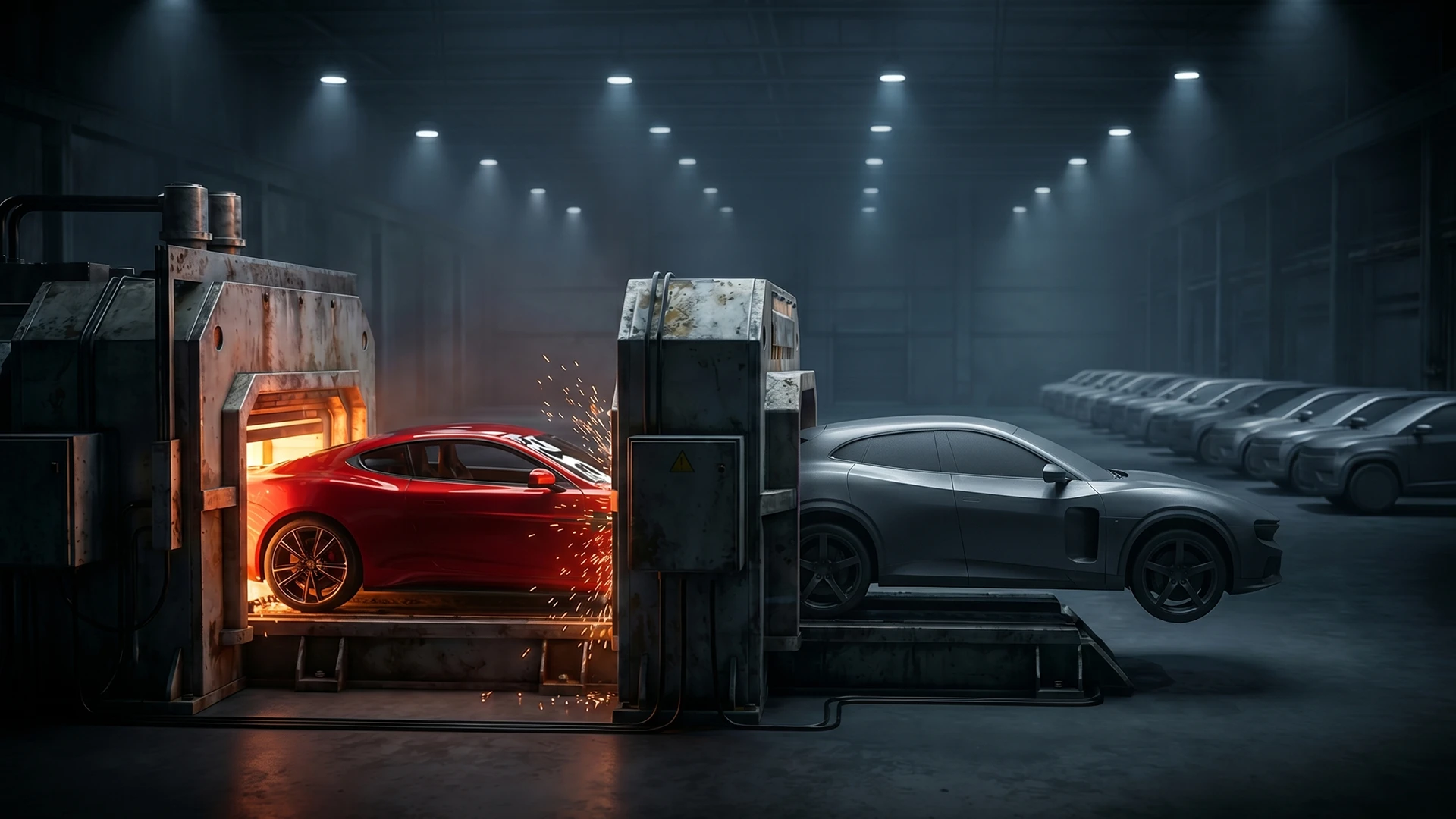
Ferrari Luce - a rebrand of a legend, or a model that lost its spirit
- Published: 24/06/2026
- 6 minutes read
Ferrari Luce launch recap
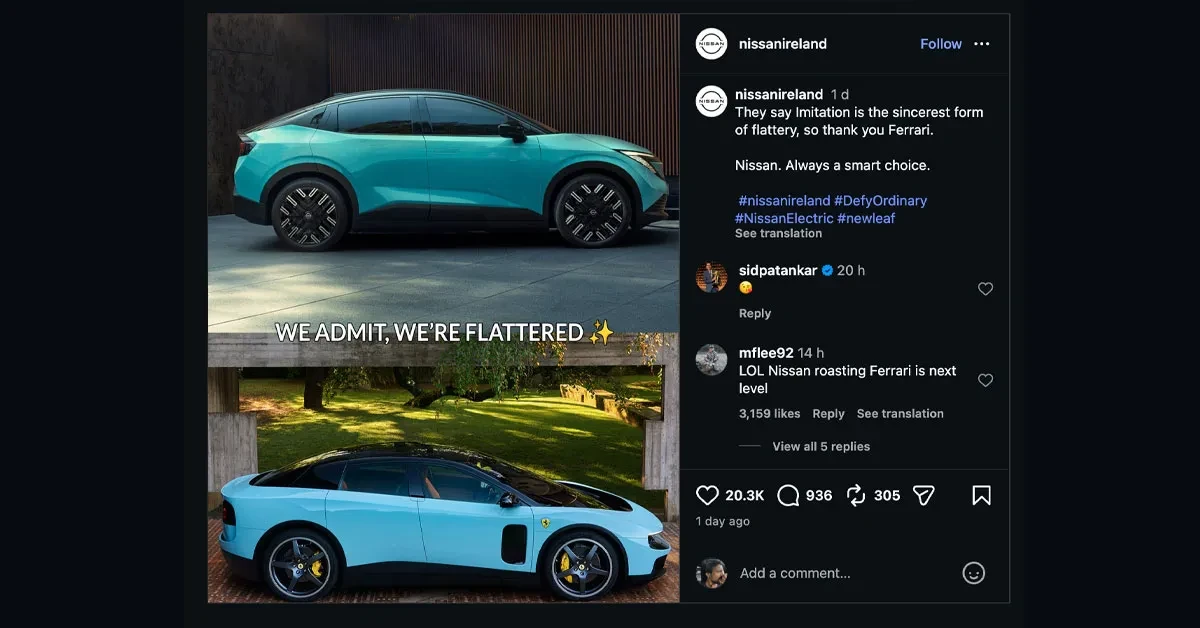
Ferrari recently introduced its latest model, the Luce, sparking a wave of diverse reactions within the automotive community and experiencing a mild reception. Some enthusiasts have compared the Luce to the Nissan Leaf, a comparison many believe flatters Nissan, while others have vehemently declared it an “abomination” and a symbol of the decline of a once-magnificent legacy. Controversially, the former CEO of Ferrari even suggested removing the iconic prancing horse emblem, claiming that the Luce fails to embody what defines a true Ferrari. In this article, we try to shed light on what happened to Ferrari and how fear drives decisions across the automotive industry.
Why the mild reception?
The controversy surrounding the Luce can largely be attributed to the stark departure it represents from Ferrari’s long-standing design philosophy. For decades, fans and consumers have come to expect a bold, aggressive aesthetic that aligns with high-performance capabilities. Classic Ferrari models have typically been characterized by their loud engines, high power outputs that often exceed the chassis’s limits, and an overall aura of exhilarating excitement. The ethos championed by the founder, Enzo Ferrari, has always been to prioritize creating race cars first, making modifications to adapt them for street legality afterward. This philosophy has driven the brand to embody the 1980s motto: “We are the competition,” positioning Ferrari as the benchmark against which all other automakers measure their innovations.
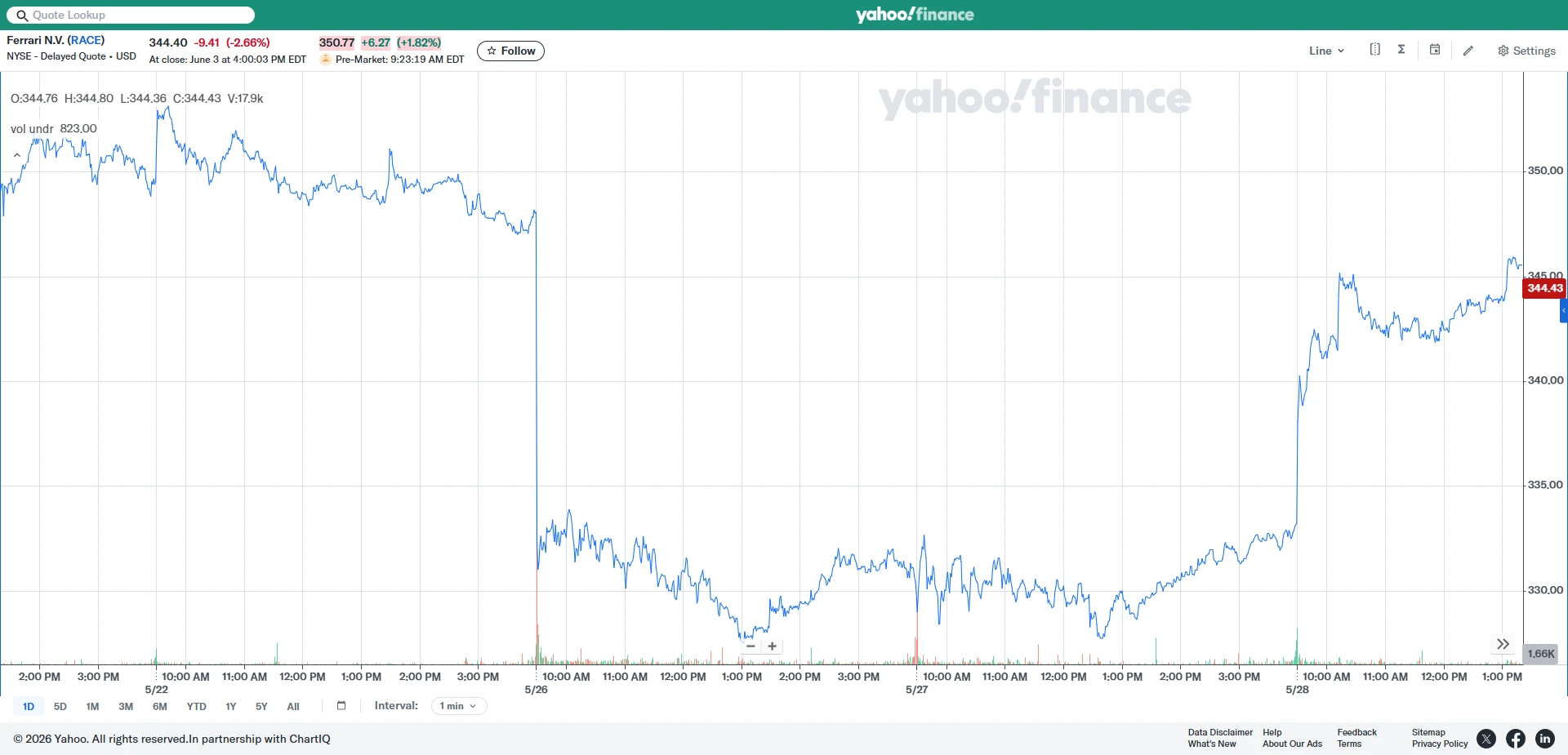
However, the latest model’s reception was so controversial that even the Ferrari stock reacted to the unveiling. The company lost between 4 and 5 billion USD in a day.
Purosangue - the first step away from the established design
While the Luce is not the first Ferrari to stir controversy, its predecessor, the Purosangue, also faced scrutiny; it represents a significant inflection point for the brand. The Purosangue drew comparisons to the Mazda CX-30, a comparison that flattered Mazda, given the minimal overlap between the two manufacturers. This marked a pivotal moment for Ferrari, as it began to explore markets outside of its traditional boundaries, particularly in response to the growing consumer appetite for SUVs. Boardroom discussions at Ferrari hinted at a strategic pivot to capture a share of the lucrative SUV market, but to many purists, it felt like a betrayal of the brand’s heritage.
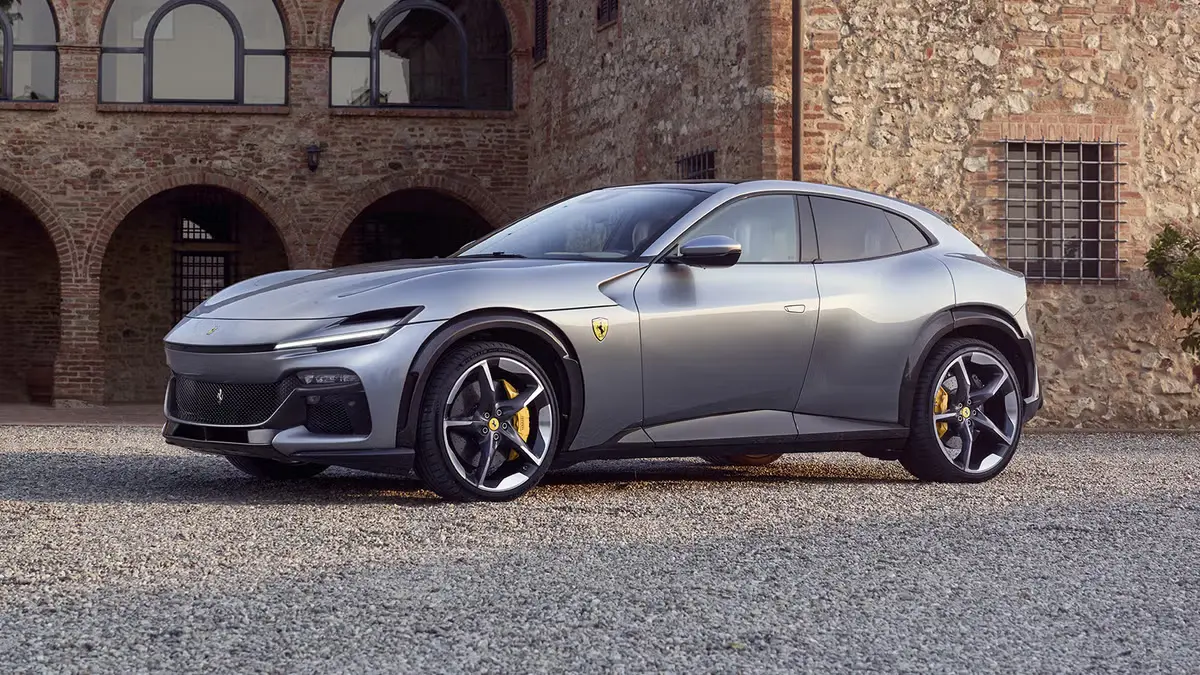
Despite the Luce’s power output being in line with Ferrari’s high-performance standards – arguably among the most powerful offerings in the automotive industry – a deeper concern looms over its design. The core of the issue is that the Luce seems to sacrifice the very spirit of Ferrari; instead of exemplifying the brand’s legacy of street-legal race cars, it opts for a design that feels entirely detached from what enthusiasts have come to identify as quintessentially Ferrari. To many, the new design resembles other brands’ EV models and doesn’t stand out, unlike previous well-known models with more distinctive designs.



Historically, fans have been able to recognize a Ferrari not only by its unmistakable roar but also by its striking visual presence. This unique identity has inspired generations to aspire to own one of these magnificent machines, which have become symbols of achievement and luxury. However, with the introduction of the Luce, there’s a sense that this legacy may be eroding. Both public opinion and Ferrari’s stock prices are showing signs of discomfort in response to this new direction.
The fear of being too unique is palpable
Ferrari isn’t the only brand that has a fear of being too unique; we have seen brands across many industries too afraid to stand out. Specifically in the automotive industry, which we observe from a marketing and branding standpoint, established brands like BMW, Mercedes, and now Ferrari have designs that resemble those of other manufacturers. In the past, removing a logo still made the vehicle recognizable. Today, however, the design is so similar that even with all the branding, people can still confuse one manufacturer with another. This brand dilution is evident across the board, and people are getting disappointed with each new change in direction, all in the name of innovation.
To illustrate this point further, Ferrari, just like BMW and Mercedes, decided to compete with some of the more renowned asian-based manufacturers. But, instead of increasing their unique features – essentially, what buyers and fans have liked in the past – these companies decided to implement more minimalistic designs, essentially erasing many unique features. It seems that minimalism has become the go-to design aesthetic whenever a company is too afraid to be bold.
And people sense this fear. Whenever we perform any kind of qualitative analysis, we hear disappointment and disillusionment in the new vehicles. Interestingly, many people decide to buy the vehicles for their shock value – as is the case with Tesla’s Cybertruck.
But the value isn’t only in design. Design is the first impression on which people base their opinions, trying to justify the initial feeling they had.
Final thoughts
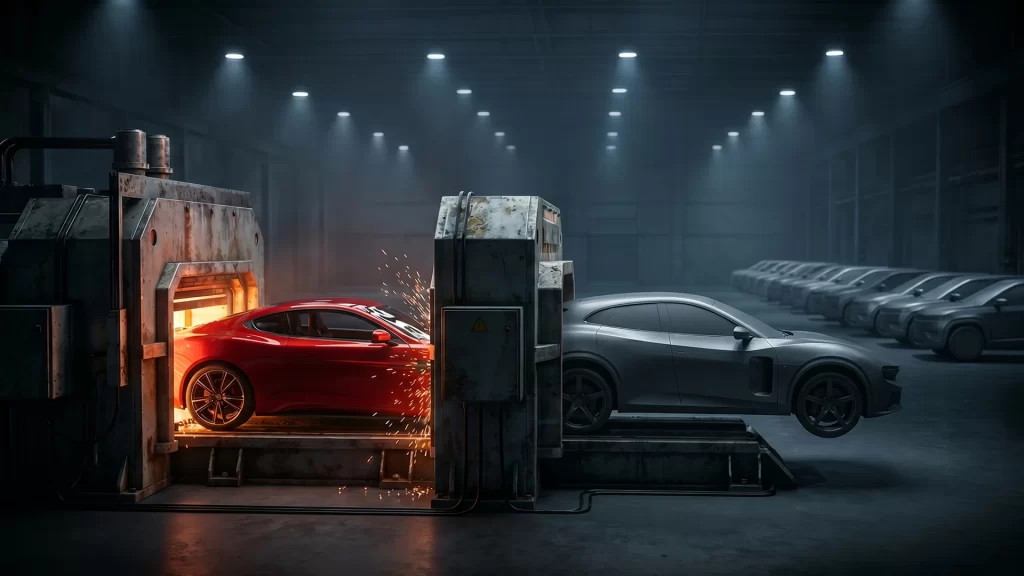
The burning question remains: will the automotive community eventually come to embrace the Luce, or will it be relegated to automotive history as a failed experiment, as Jaguar was? Only time will tell, but currently, the aspiration to own a Luce seems notably less compelling than that of its predecessors. Many speculate that Ferrari has lost its way, again, and it’s time for a legend to become history before they destroy more of its brand’s good standing.
What’s even more crucial is whether the automotive industry as a whole will be able to reduce the fear that holds it. As design and engineering teams choose safe over exciting, we will see less and less uniqueness. Instead, we will get a unified, bland sameness that is seemingly everywhere – in apartments, in offices, or in every other part of daily life. Minimalism has its usefulness, but if it’s everywhere, it loses its charm.
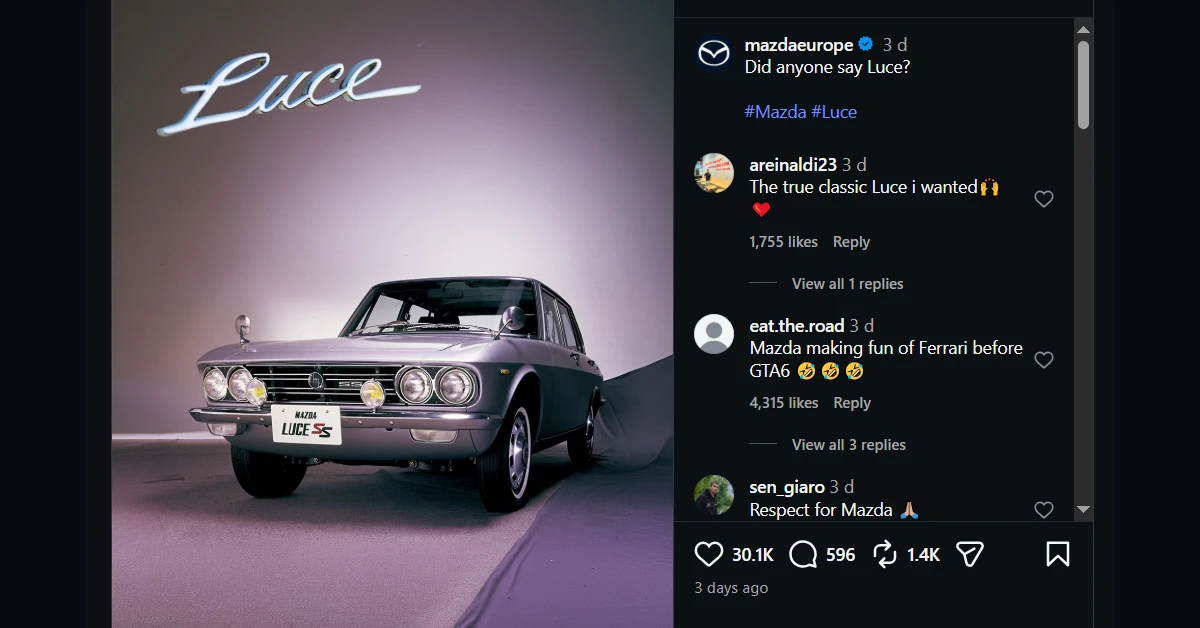
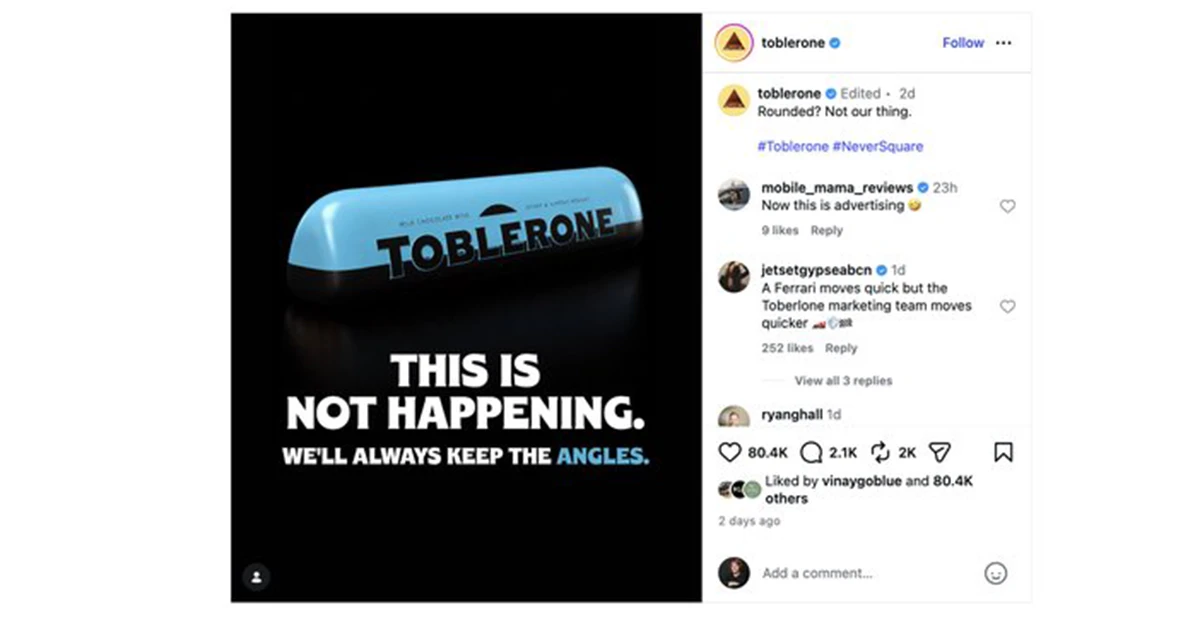
However, one thing is for sure – Ferrari Luce gave a lot of communities some very good laughs and gags, so much so that many brands jumped on the trend. Here are some examples.