

How to get featured in Google AI Overviews
- Published: 28/05/2026
- 8 minutes read

How to get featured in Google AI Overviews
- Published: 28/05/2026
- 8 minutes read
Introduction
When Google launched AI Overviews (AIOs) in May 2024, the search experience changed forever. For the first time, answers are appearing right at the top of the results for millions of queries, summarizing the answers before anyone even clicks a single blue link to the resource. So, for the people who run their businesses on organic traffic, this feels like either an existential threat or the biggest visibility opportunity in years. Here are some insights about search in 2026 that not many people have caught on to yet.
Why AI Overviews matter more than rankings
The traditional SEO approach was about ranking first. It still matters, but it’s no longer sufficient. Based on research from Ahrefs and Pew Research, traditional organic rankings have experienced significant declines in traffic due to the emergence of AI Overviews. If an AI Overview is generated above the first-ranked website, the website sees a loss of over 50% of its traffic.
And the majority of search sessions initiated by artificial intelligence don’t include any clicking.
However, the brands mentioned in AI Overviews see an increase in clicks and conversions.
According to Seer Interactive’s report for 5,4 million searches, the traffic boost that the mentioned brands saw was:
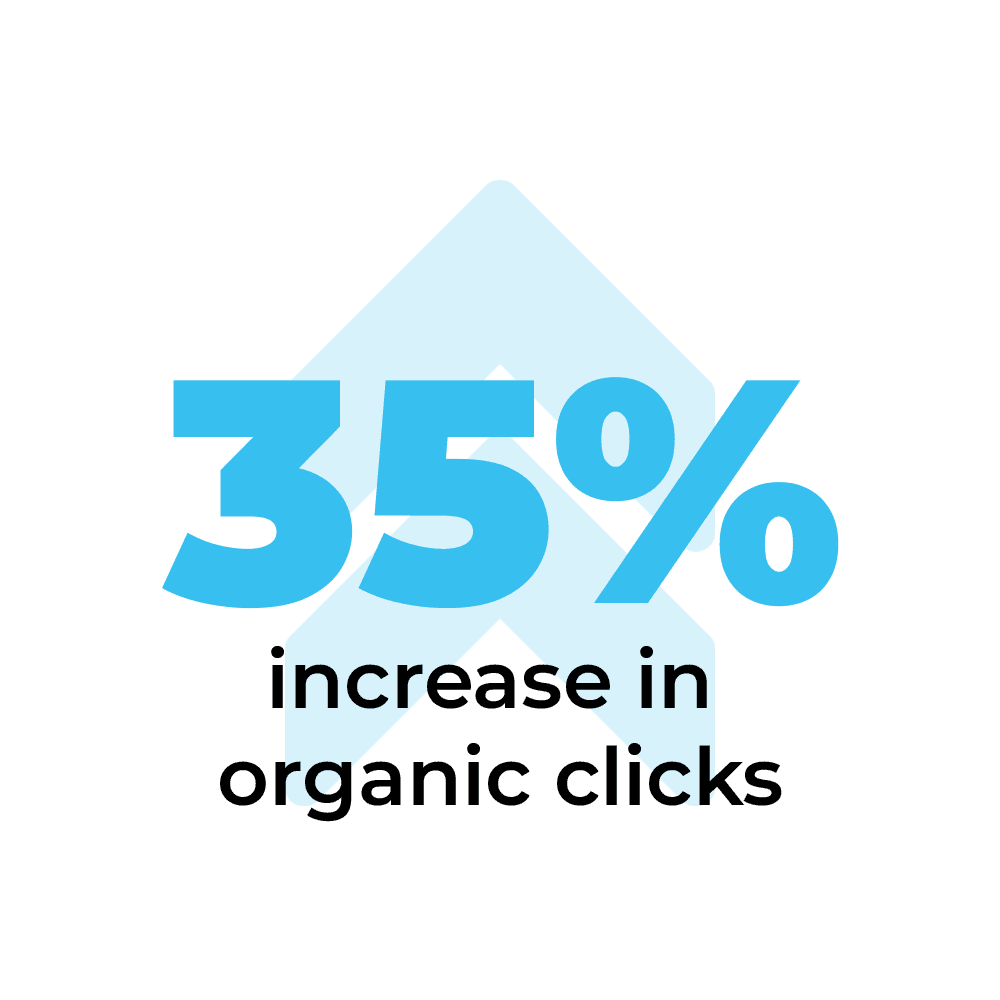
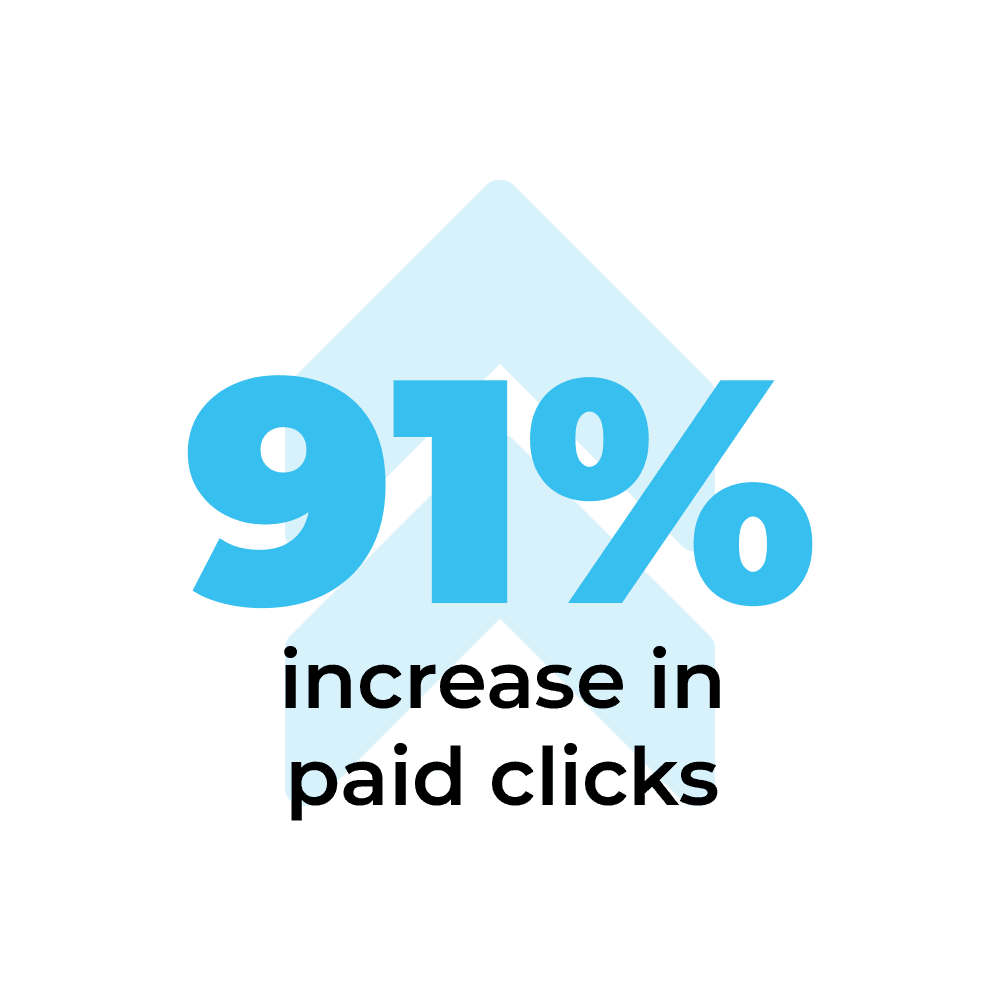
But what’s even more impressive is that these AI referral visitors are much more likely to convert than traditional traffic. This means that the very objective of SEO shifts. Traditionally, it used to be about ranking, but now in 2026, it’s about becoming a source AI cites.
How does Google choose sources in AI Overviews?
A big misconception about AI Overviews is that Google just grabs from the top 10 results automatically, and that’s it. In reality, the overlap between AI citations and the usual top rankings has declined significantly. So now what really seems to matter is authority, structure, trust signals, and clarity. Google’s AI systems are looking for content that can answer questions in a way that’s easy to read, easy to summarize and gets you answers right away. In the past, regular SEO was mostly about findability, but this AI search seems to prioritize extractability instead. So if the website pages are hard to summarize, unclear or just overly generic, or the whole thing is kinda messy in structure, then the AI systems are less likely to select them, or they might not even grab them for an overview.
What increases AI citations in 2026?
Brand mentions matter more than backlinks, and this is one of those big shifts in search. Ahrefs’ research on 75,000 brands found that when a brand is mentioned across the web, it aligns much more with AI visibility than with backlinks. To put it simply, being talked about is better than simply being linked to. This includes:
- Reddit discussions
- Podcasts
- YouTube mentions
- Industry articles
- LinkedIn posts
- Interviews
- Forum discussions
Google’s AI systems are not only checking the classic SEO signals; they are also tracking brand presence throughout the internet. And that’s why some brands with solid PR and steady visibility end up outperforming super technical, well-tuned websites. What to do?
- Industry publications are the most direct expression of it. When a media outlet quotes your blog, it drops this trust signal into network AI systems that are actively indexing it. Muck Rack’s analysis of more than one million AI-cited links found 82% come from earned media, not owned content. So the brands that end up dominating AI answers in their categories aren’t always the ones with the largest blog footprint, but the ones with the widest footprint of third-party references
- Podcasts work for a reason most people miss. Yes, you do get reach. But each episode also produces a transcript and show notes, hosted on someone else’s trusted domain; it stays there as permanent, indexable content, tying your name to specific ideas. One appearance can build citation infrastructure faster than ten posts on your own site.
- Most brands focus on creating content that gets engagement. But the strongest brands focus on creating notions that people can repeat in friendly chats, in Slack channels, and during meetings, so they just stick. The real trick is specificity, not broadness. Clear frameworks, plus a few bold viewpoints, tend to land in memory and link back to your name. The goal here isn’t just to earn attention; it’s to become the brand people bring up when they’re explaining a concept to someone else.
- Founder-led content is the highest-leverage move available right now. Individual creator profiles account for 59% of all LinkedIn citations showing up in AI-generated answers, even though corporate pages have far bigger budgets and followings. A founder writing with a specific, named opinion is a citable insight. A brand account making a similar claim is more of a marketing claim. Readers treat both the same, maybe, but AI systems and readers don’t interpret them the same.
YouTube is becoming one of the best places to cite because AI can now read transcripts. As a result, there is no need to write full blog posts anymore, since a 10-minute video can generate a large number of keywords and terms that people can search for and reference later.
Based on our internal research, YouTube mentions actually rank high as a visibility signal across AI search tools. We found that YouTube citations consistently appeared in Google AI Overviews, ChatGPT, and other AI-powered search engines.
LinkedIn is no longer just a networking platform. AI systems increasingly cite LinkedIn posts, especially from individual experts rather than company pages. Research from Averi.ai found that most LinkedIn citations in ChatGPT and AI Mode come from personal creator accounts. Why? Expert opinions written in natural language are highly extractable by AI systems. This means blogs should include founder-led insights with original opinions, post-operational lessons, and real experiences, written in no generic corporate language.
The more your content sounds like real expertise, the more likely it is to be cited.
AI systems prefer content that is easy to extract and summarize. Studies from AirOps found that comparison tables, short paragraphs, lists, FAQs, and clearly formatted sections all increase citation rates. This is because AI systems do not “read” content the way humans do. They scan for passages that can stand alone as answers. Brands should structure content with clear headings, direct answers early, short paragraphs, bullet points, FAQ sections, and comparison tables.
If the content is difficult to quote, AI systems are less likely to use it.
Pages that have been published lately or just had updates are way more likely to end up in AI-generated citations, especially in fields where things change quickly. Google also seems to be leaning harder toward content that is actively tended, because “freshness” shows up as a kind of reliability cue and relevance at the same time. For brands, this means keeping content in shape is no longer optional. The best articles should be checked and improved on a regular cadence, with quarterly updates as a good target. Data points need to be redone, old references should be replaced with new ones, and a clear “Last Updated” label should be added so both people and search systems can see the recency signal. Having new ideas and writing them down and publishing them isn’t just about being up to new trends and topics in the industry; in 2026, it’s also become a citation thing.
What brands should do?
The brands that are adapting most quickly to the changes AI search engines have brought are concentrating on the following five factors:
- Building authority in more than just their websites
- Producing expert content on LinkedIn
- Making YouTube videos out of blogs
- Including original data and statistics
- Producing articles that AI search engines would be able to cite
However, many brands haven’t yet adapted to the new AI-driven search landscape, despite the rapid evolution of this technology and its impact on how people find and trust information online.
Final thoughts
Search engines in the past had one simple formula: publish blogs, optimize them, get ranked high, get clicks, and earn traffic. However, with the arrival of AI Overviews in 2026, search has become much more selective. Blog writing and optimization are no longer enough. Brands now have to be credible and quoted in AI to gain exposure. Although it might seem like a minor change in how search engines operate, its effect is significant because, in this new landscape, search engines answer questions directly. Moreover, in the latest Google keynote, the main change is that Search is shifting from a list of links to an AI-first system that understands your query and directly generates answers, rather than mainly directing you to other websites.
Due to all these changes, credibility is not an asset but a ranking system.
In a crowded market where attention is cheap and trust is rare, the brands that understand the psychology behind credibility are the ones people choose to believe and return to. Find out more about building credibility in our latest blog ’’Building credibility in a crowded market: the psychological warfare behind trust.’’