
From performance to brand desire: Porsche marketing strategy (2000-2025)
- Published: 08/04/2026
- 22 minutes read
From performance to brand desire: Porsche marketing strategy (2000-2025)
- Published: 08/04/2026
- 22 minutes read
This part of the case study represents the second and final chapter in the sequence of Porsche’s marketing strategy, focusing on navigating its strategy in the digital era and how it entered the electric-vehicle market while preserving its luxury brand identity.
Key learning objectives
1. Understand how Porsche’s marketing strategy evolved to contemporary digital-first, experience-driven campaigns that emphasize sustainability and technological innovation.
2. Examine how Porsche maintained its brand identity by developing a new storytelling approach while preserving its traditional heritage and embracing contemporary digital and electric mobility.
3. Analyze the marketing strategy behind electric vehicles through its Taycan introduction and its electrification strategy, which presented sustainability and technology as extensions of Porsche’s racing traditions.
Abstract
Porsche is a legendary name in the automotive world, evolving from a manufacturer of racing cars to a brand symbolizing luxury. Its marketing strategy was completely different at its beginning than it is now in 2026. The brand’s market positioning shifted from classic performance ads to a focus on luxury and emotional connections. In this case study, we will examine how Porsche’s marketing strategy has changed, moving from a focus on performance to storytelling that emotionally connects with buyer personas. In this case study, we will analyze their marketing strategy by analyzing their ads from 2000-2025.
Introduction
Porsche is widely regarded as one of the most iconic and respected car brands globally. In contrast to many automotive manufacturers that emphasize practicality and affordability, Porsche stands out by offering aspirations and a sense of liberation, all tied to the enjoyment of driving. The brand’s true allure and creativity lie in its ability to enable owners to perceive their vehicles as representations of their individual identities.
Overview of Porsche
The Porsche company was founded in 1931 by Ferdinand Porsche¹. They first built their brand identity through technical innovation, and later became a vehicle manufacturer. In the 1930s, Ferdinand Porsche and his team created the Volkswagen Beetle design, which established a technical collaboration between Porsche and Volkswagen that lasted. The Porsche Type 356 No. 1 Roadster was the first sports car Porsche introduced to the market in 1948, establishing the brand as a creator of prestigious sports vehicles. The car required Porsche to use Volkswagen parts, demonstrating the close technical and industrial relationship between the two companies. Porsche became part of the Volkswagen Group in 2012. Porsche has used motorsport since its inception as a main element in brand development, creating an image of high precision and extreme endurance that enables success under tough conditions. The Porsche 911, introduced in the 1960s, established the brand’s fundamental identity, which continues to define its marketing strategies. Decades later, the Porsche 911 slowly evolved as the company sought to preserve its traditional elements while introducing new technologies. The company used this method to maintain its brand identity while staying current with modern market demands. Through its initial slogan “Driving at its best,” which demonstrated the 356 model’s high-speed performance and racing capabilities and attractive elements to thrill-seeking drivers Porsche later developed its slogan “Driven by dreams” which broadens the scope to include other racing aspects beyond driving, Porsche’s slogan shift has continuously kept the Stuttgart-based firm relevant while making its history an ongoing marketing success. ‘There is no substitute’ returned as an official Porsche development in 2025, which people accepted as their fundamental belief about the brand’s identity². The Porsche logo used today describes luxury, but its design comes from the wartime creation of the “Coat of Arms of the Free People’s State,” which served as its original model.³
Porsche uses its historical background today as an advantage, as it no longer depends on nostalgic ties to its past. The brand maintains its appeal to customers by delivering authentic products that remain in demand over time.

Digital evolution and cinematic standards
Between 2000 and 2015, Porsche executed one of the most sophisticated emotional branding evolutions in the automotive industry, shifting from traditional high-impact television dominance to a fully integrated multichannel ecosystem, which created psychological bonds with customers while establishing cultural relevance and permanent brand value. Porsche turned the 911 into an identity product, enabling customers to display their accomplishments and social status as members of a prestigious yet enthusiastic community rather than competing on product features.
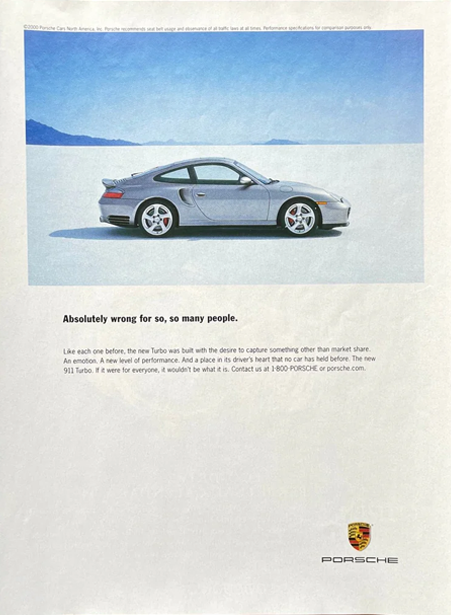
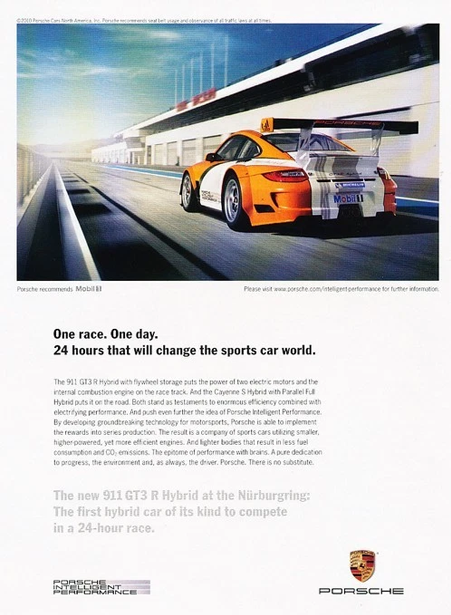
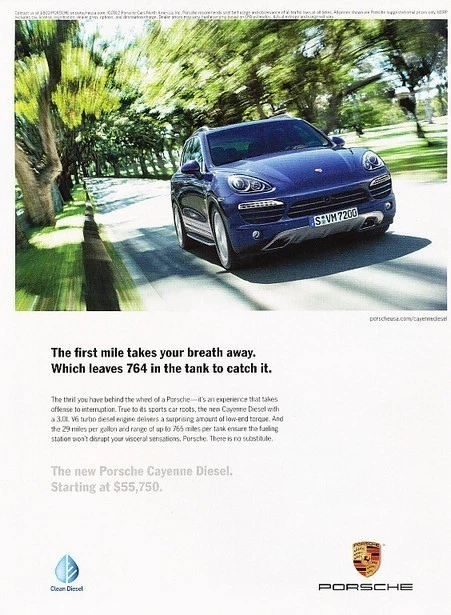
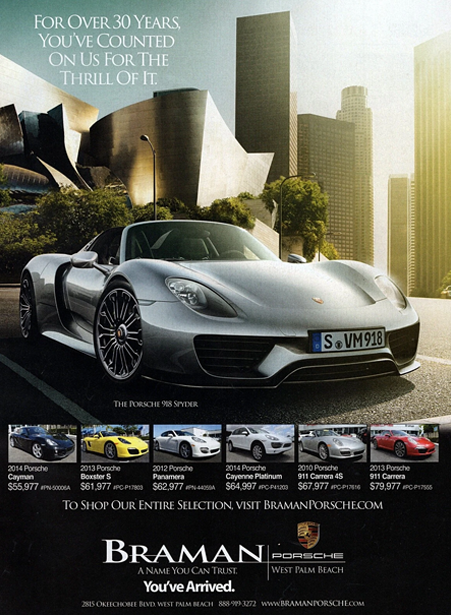
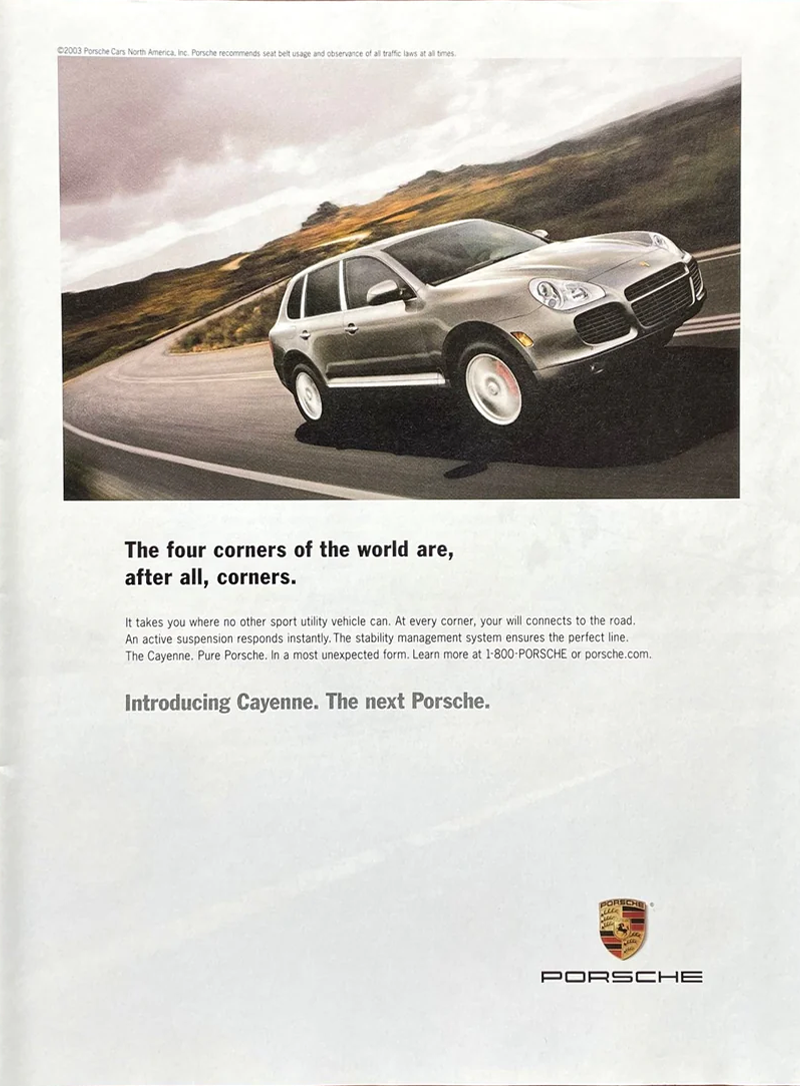
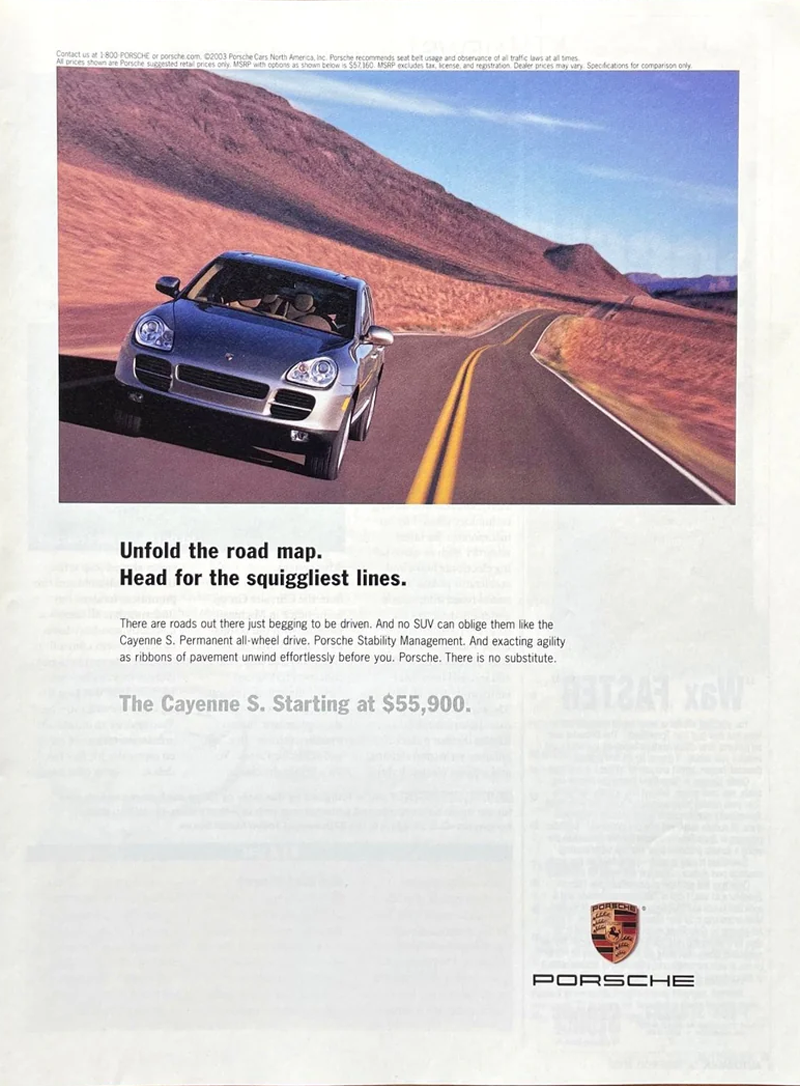
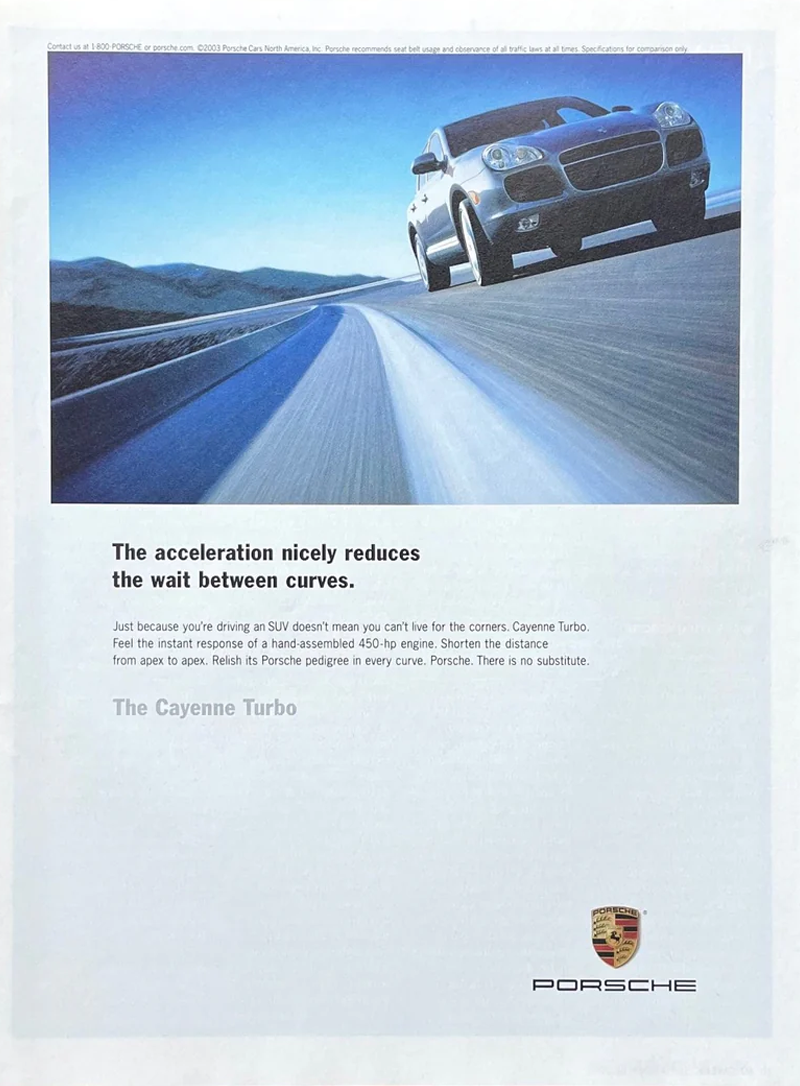
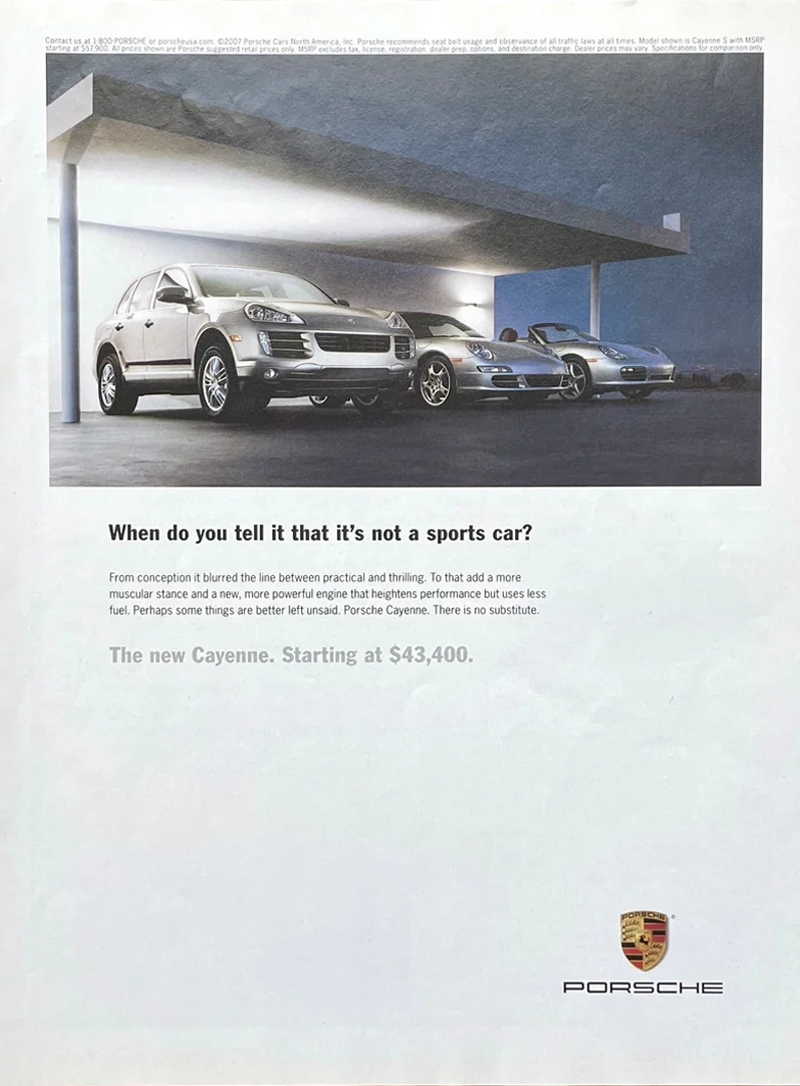
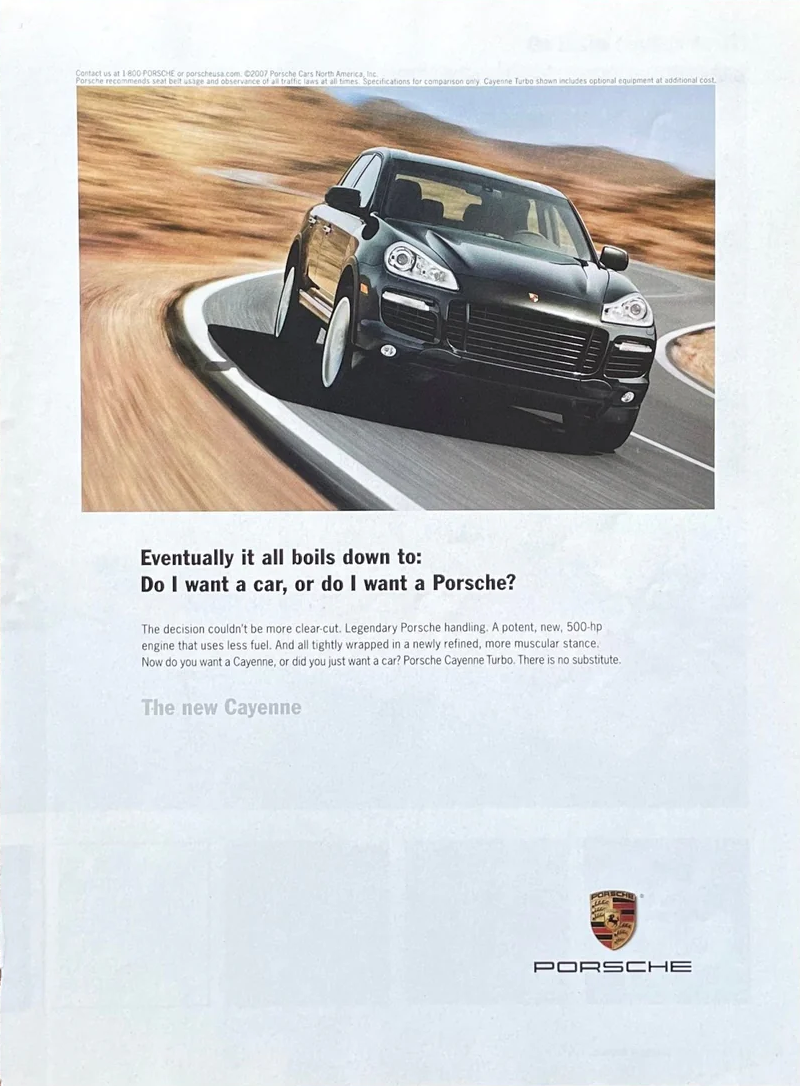
This period highlights the SUV introduction into their product line. In the 1990s, Porsche was in serious financial distress due to low sales volume. The introduction of Cayenne in 2002 and Macan in 2014 brought success to Porsche by transforming its business operations from financial problems into a luxury success⁴. The marketing strategy achieved success through its emotional transformation of Porsche brand image. Porsche used its performance engineering heritage to create an SUV that combined 911 DNA with a new vehicle design for wealthy customers who wanted a flexible vehicle that could still deliver exciting performance⁵. The Cayenne launch campaign focused on showing how the vehicle could deliver family-friendly transportation while helping drivers achieve their goal of speedy, fashionable driving. The “halo effect” which upgraded the entire brand operated through Macan, because it attracted younger urban customers who created shared brand loyalty through their purchases of all available products. According to reports, SUVs generate almost 60% of Porsche’s global sales which will bring billions in revenue to support pure sports car development⁶.
The business expansion succeeds as a brand extension model because it maintains product identity through SUV operations, which fund passion products while enhancing emotional connection.
Porsche’s SUV strategy proved so successful that even its most dedicated competitor had to acknowledge its effectiveness. Ferrari maintained its opposition to SUVs until it created the Purosangue (2023), which followed the Porsche business model while presenting itself as a “four-door Ferrari.” The pivot originated with Porsche, while Ferrari established it as a valid business approach.
In the early 2000s, Porsche used Hollywood partnerships as part of its marketing strategy to create an aspirational brand image through its strategic presence in films⁷. The 911 Carrera and Cabriolet appeared in international blockbusters such as Mission: Impossible 2, Gone in 60 Seconds, Hollow Man and The Kid, which created associations between the vehicle and themes of power, intelligence, rebellion, and control. The placements served as active cultural imprinting mechanisms, which extended beyond their role as passive visibility displays. Through his associations with high-energy 911 drivers, Porsche established a heroic brand identity based on these archetypal characters.
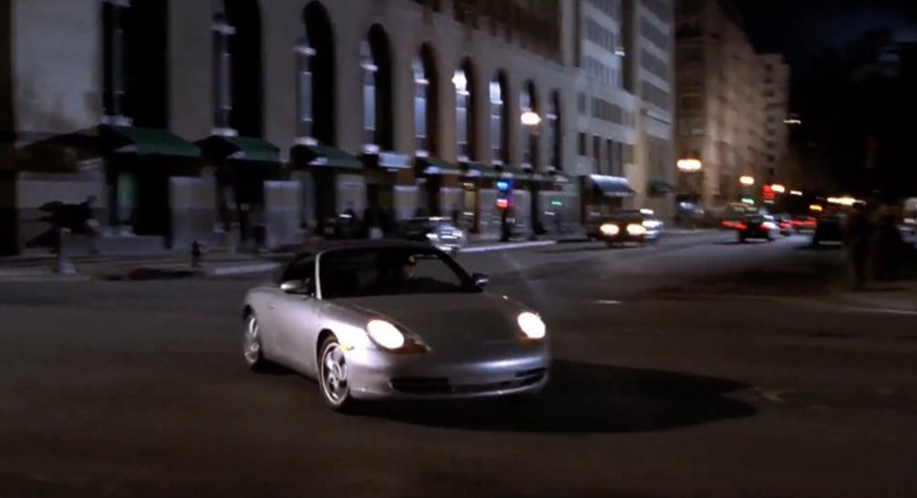
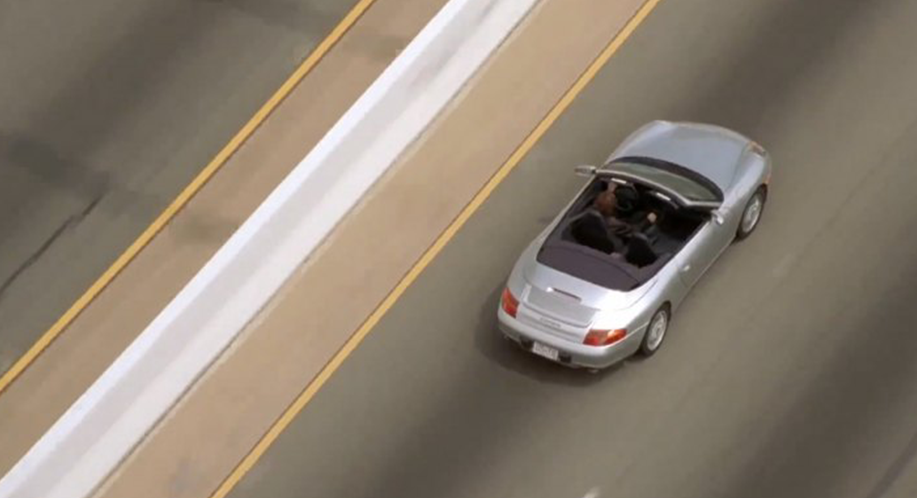
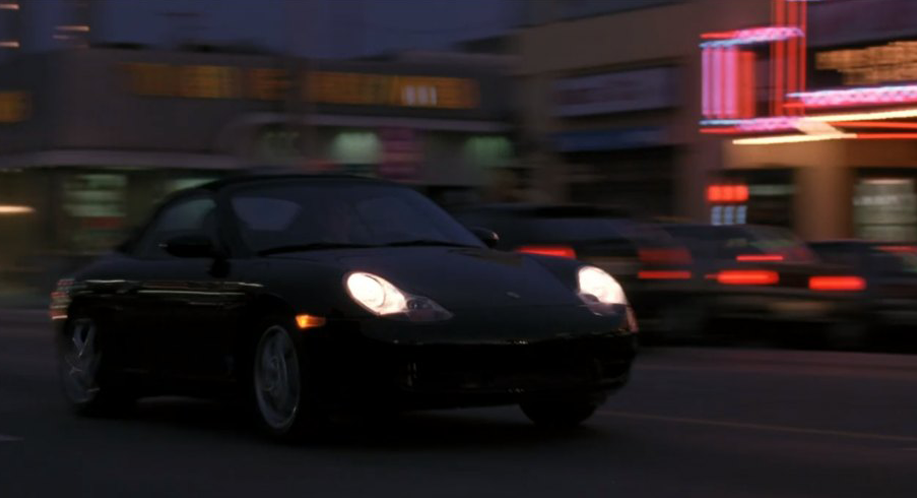
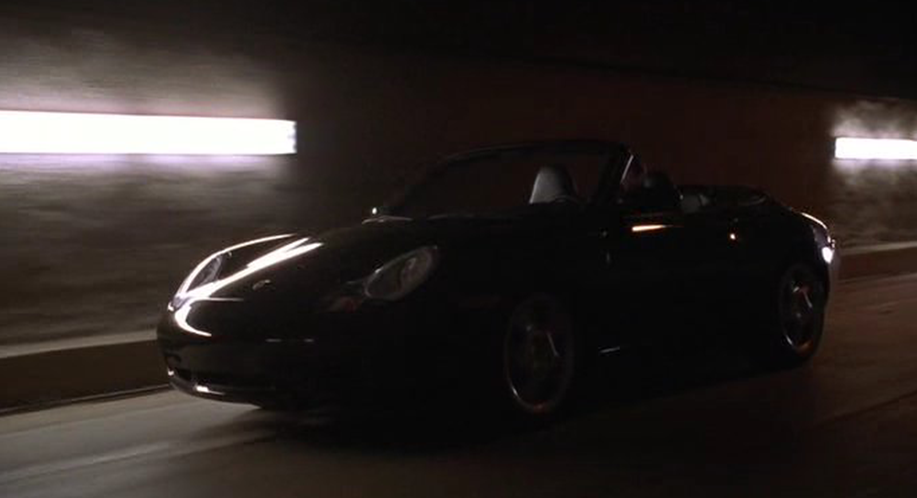
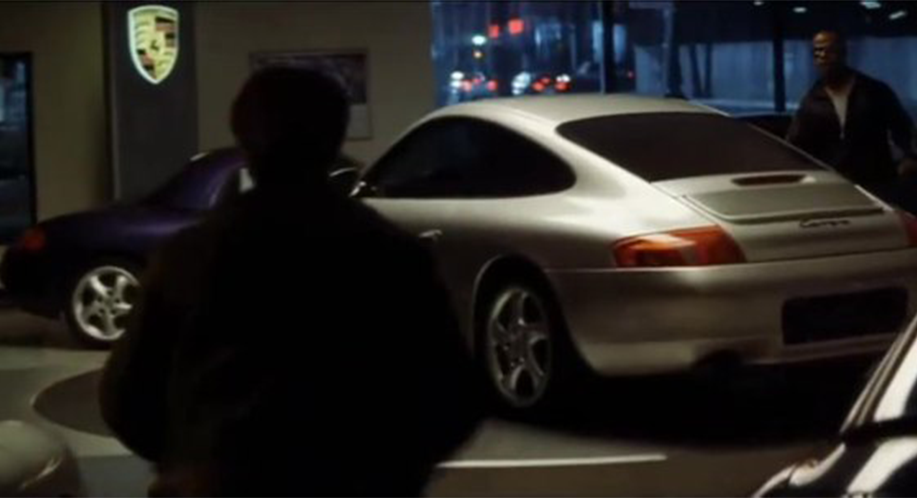
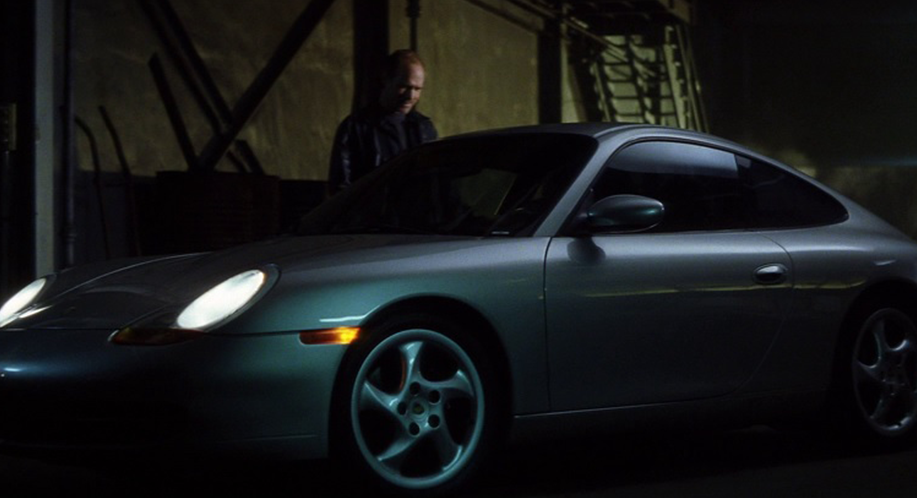
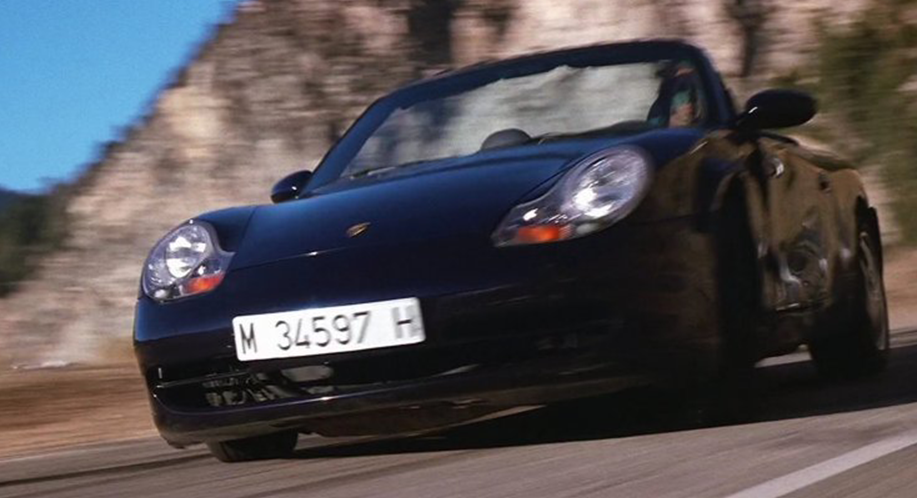
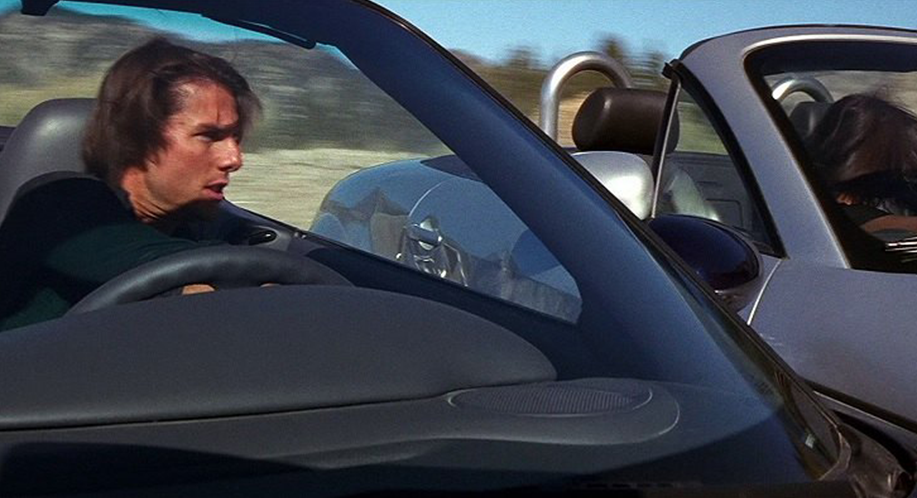
Viewers who watched the films automatically associated Porsche with automotive expertise, self-assurance, and intense cinematic experiences. The combined effect of television and print advertising campaigns established a racing heritage through high-contrast design elements and motorsport-related, bold headlines. The aesthetic restraint that designers employed created an impression of heightened sophistication and premium exclusivity. On the experiential side, car events and exclusive driving sessions translated brand promise into sensory proof, allowing prospects to physically internalize the “Porsche feeling.”
During the 2000s, Porsche reached the peak of its video game presence, where gaming became a targeted platform for brand engagement rather than mere product placement. Although the earlier games, such as Test Drive and Need for Speed, introduced the 911 to the virtual world, the true engagement came with the exclusive tie-up with Electronic Arts⁸. This partnership positioned Porsche not only as a game vehicle but also as a heritage performance brand integrated into the gaming world, most notably with Need for Speed: Porsche Unleashed, which highlighted the development of Porsche cars over the years⁹. From a marketing standpoint, this was building long-term equity. Video games helped Porsche to connect with younger audiences, creating brand affinity and desire. The experience of driving a virtual 911 created brand familiarity, performance equity, and loyalty.
Porsche used its digital video and social media capabilities from 2005 until 2010 while maintaining its original cinematic identity. YouTube served as a platform that increased the visibility of driving films with strong emotional content, as it allowed enthusiasts to share and replay their special brand moments.
The 2006 “Feel the Road” campaign marked a strategic pivot toward narrative-driven storytelling.
This commercial presents the core of Porsche’s marketing strategy for emotionally connecting with buyer personas. The commercial does not promote automotive performance but instead creates a lasting desire for its product. The story starts with a classroom scene that shows how children acquire their educational materials. A young boy, distracted during a geography lesson, stares out the window at a Porsche that is driving by. The immediate introduction of Porsche establishes its brand identity as something beyond normal existence. The emotional connection with the audience grows stronger when the boy enters the showroom, and he confidently requests to see the new 911. His development into adulthood makes him the dominant figure who controls their interaction. The business card functions as the key point of the story. The line “I will see you again in 20 years” creates a psychological binding tie used by the advertisement. The card becomes symbolic – a contract with the future self. Porsche creates a work pattern that follows expectancy theory: people must put in their current effort to achieve their future goals. The voiceover creates an emotional journey that starts with your first moment of desire and ends with your waiting time until actual possession. Porsche positions itself not as a purchase, but as a reward for persistence. The statement “There is no substitute” emphasizes emotional destiny more than product superiority.
Another part of their marketing strategy uses brand heritage to create emotional value for its customers. The 50th anniversary of the 911 in 2013 served as a mythical strategic building framework which extended beyond its commemorative purpose¹⁰.
Porsche used the video to show how the 911’s multiple generations had evolved through the enduring elements of its identity. The company established a strong bond of trust with dedicated customers, all while introducing new customers to this ongoing heritage. Documentary-style engineer interviews, together with behind-the-scenes innovation stories, establish authenticity, which serves as a critical factor that enables luxury brands to maintain their market credibility.
To celebrate the 50th anniversary of 911, they introduced a special-edition model while masterfully deploying emotional marketing through the tagline “Born Perfect” to cement the icon’s flawless legacy.
The commercial presents the 911 as an achievement that embodies human determination, a theme that runs throughout multiple decades from its first scene. Porsche celebrates an achievement that exists beyond its current status. The tagline “Born Perfect” serves two purposes: it establishes 911 as an iconic entity and attracts viewers who wish to achieve absolute perfection. The commercial uses emotional appeal to show how people naturally want to create a lasting impact. This commercial focuses on enduring values, unlike most automotive advertisements, which rely on excitement and fast driving.
The emotional pull exists in a peaceful form that reaches profound depths. Porsche uses emotional appeal to sell its products rather than showcasing specific features. The 911 line produces pride because its heritage establishes the importance of remembrance. A 911 vehicle offers its driver a chance to join an everlasting tradition.
The “Born Perfect” statement establishes perfection as an achievable quality. The “Born Perfect” serves as the base identity design. 911 becomes a benchmark of excellence that Porsche uses to set a new standard for greatness. People who value perfection will connect with the tagline, which states that things can achieve a perfect state from the moment they are created.
During this period, the brand used controlled communication limits to create a perception of exclusivity, which helped them reach more customers through online channels¹¹.
The Porsche 918 Spyder, produced from 2013 to 2015, was limited to 918 units and served as the ultimate showroom demonstration for Porsche. The $845,000 price made the item deliberately unapproachable for most customers, but its limited availability increased the brand’s value across its product range. The 918 increased the value of all 911 and Cayenne models because customers purchased entry-level models to experience the complete 911 and Cayenne product line.
Porsche established its social media marketing strategy from 2009 to 2010. The company used social media platforms to build anticipation while maintaining its exclusive content. Porsche used Twitter to announce its limited-edition cars via embargoed information, shared through specific hashtags dedicated to the #Porsche911 brand. On Facebook, Porsche focused on expanding reach. And, Instagram emerged as the ultimate FOMO platform, showcasing secret car prototypes and their gradual release while keeping the full product unavailable.
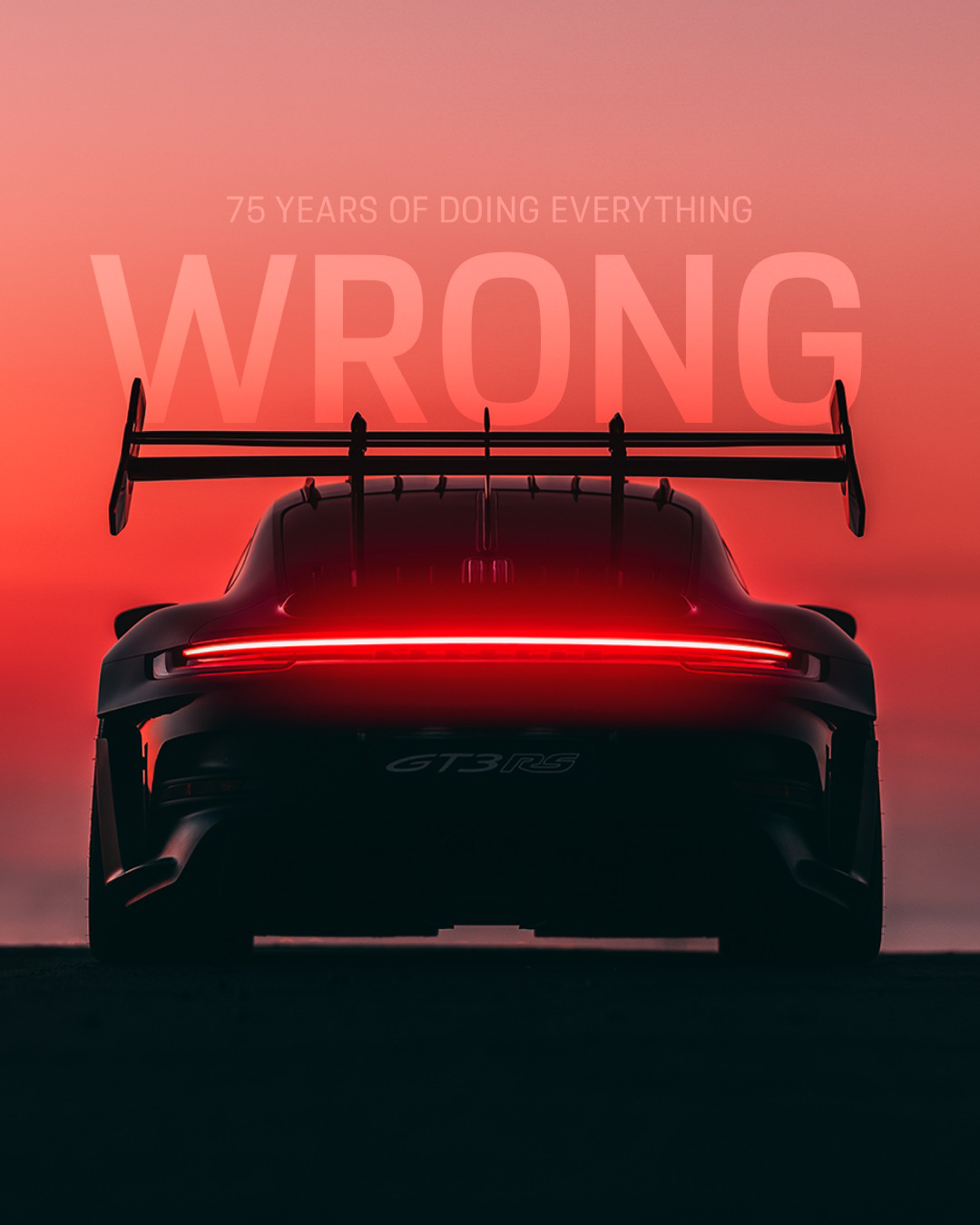
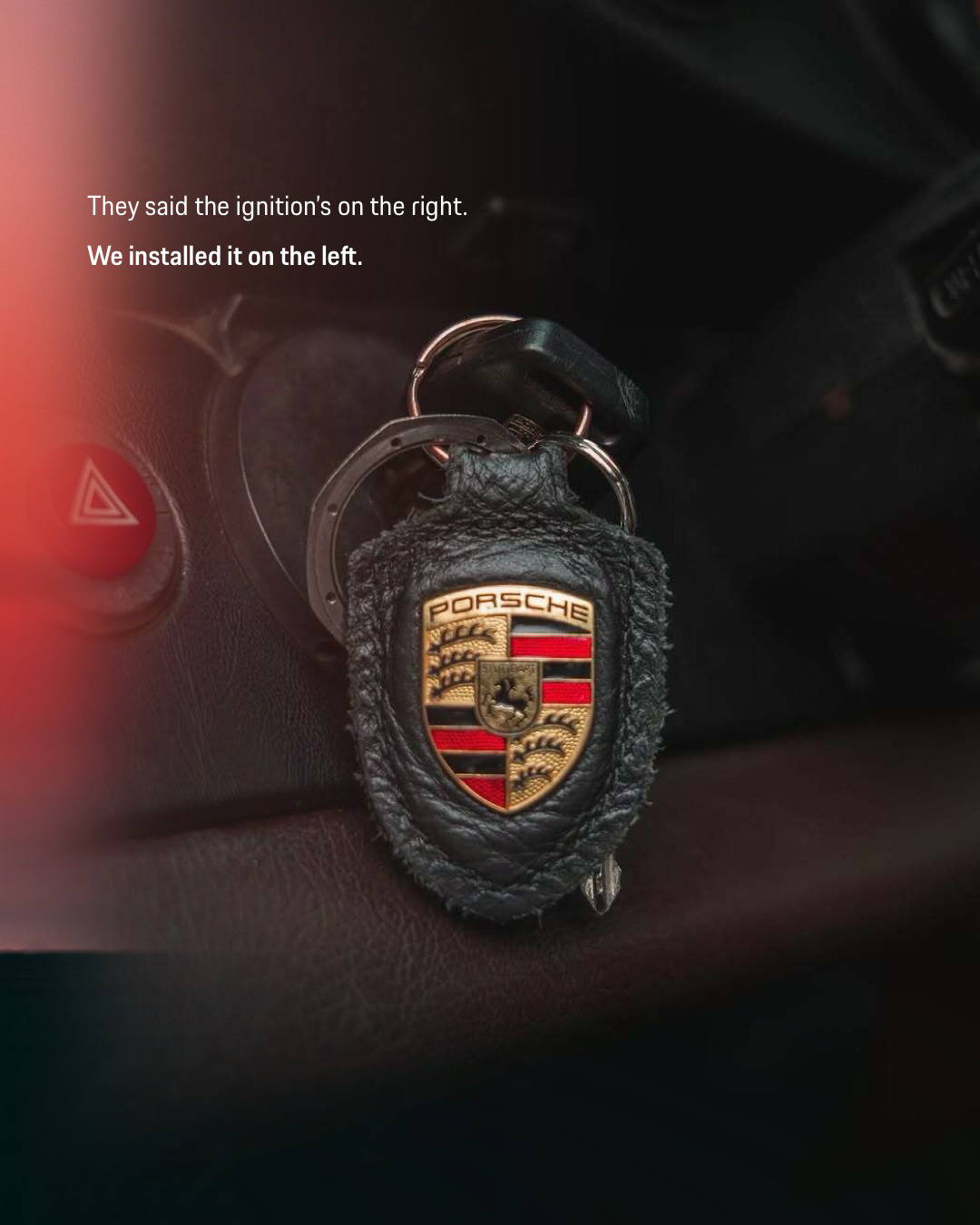
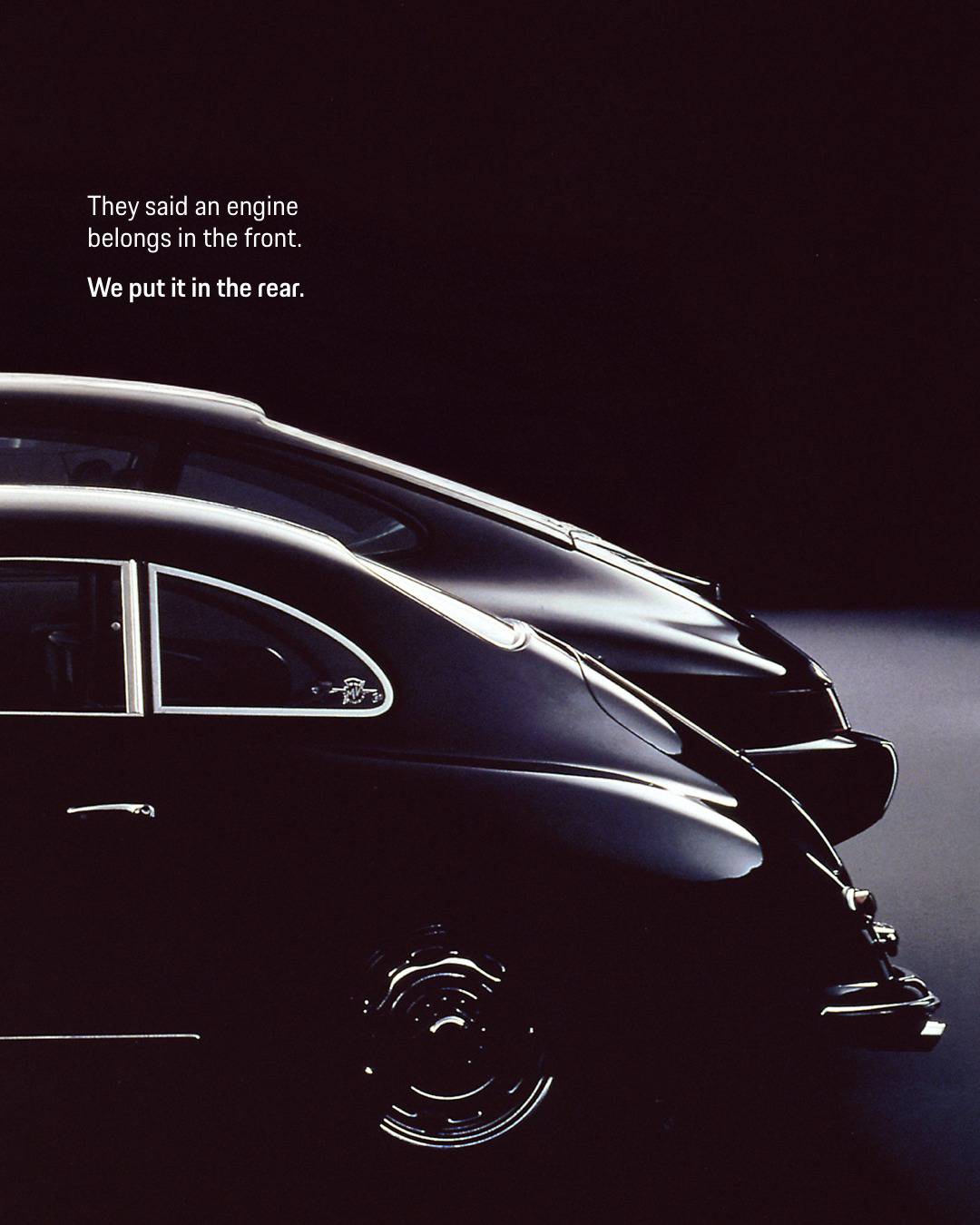
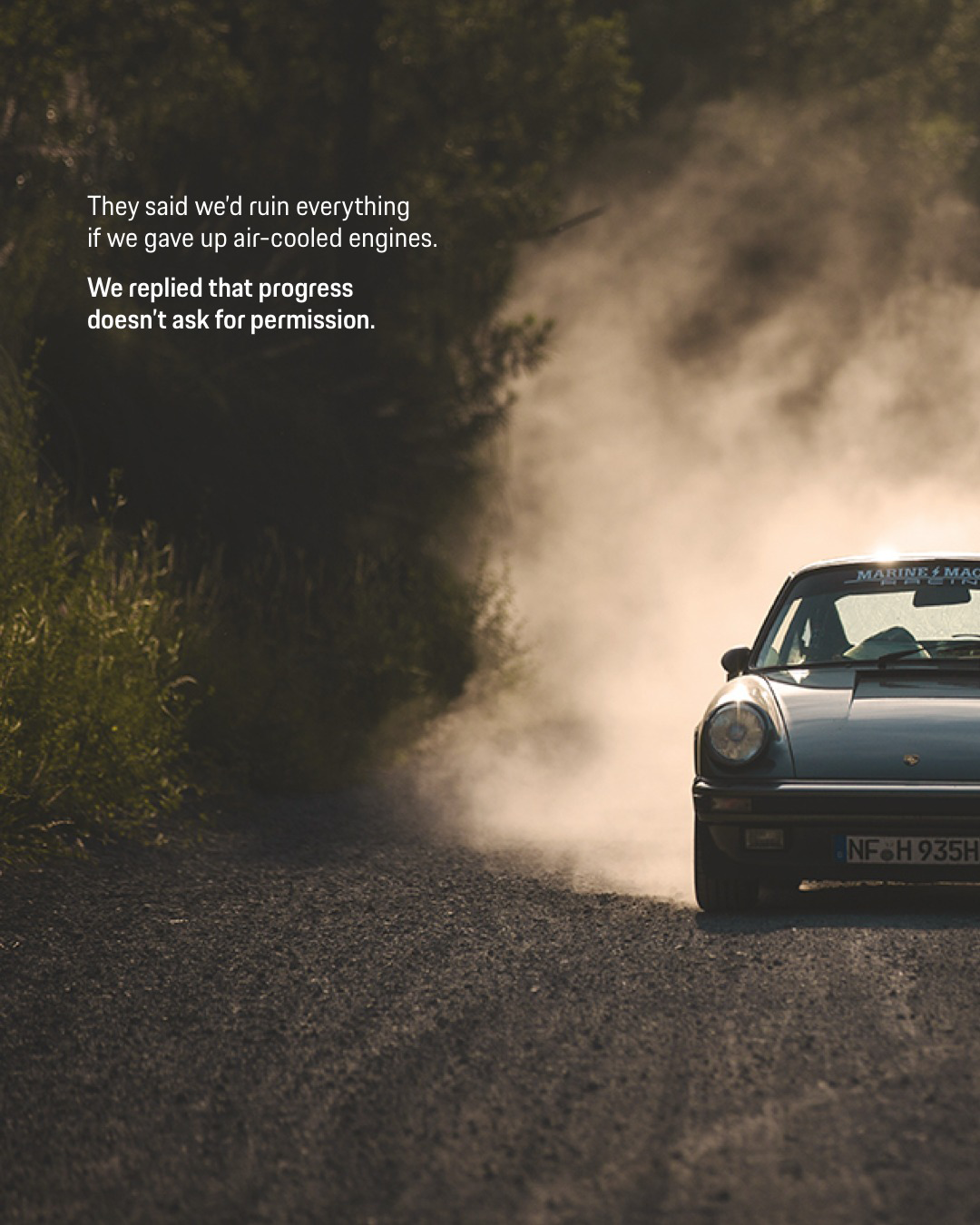
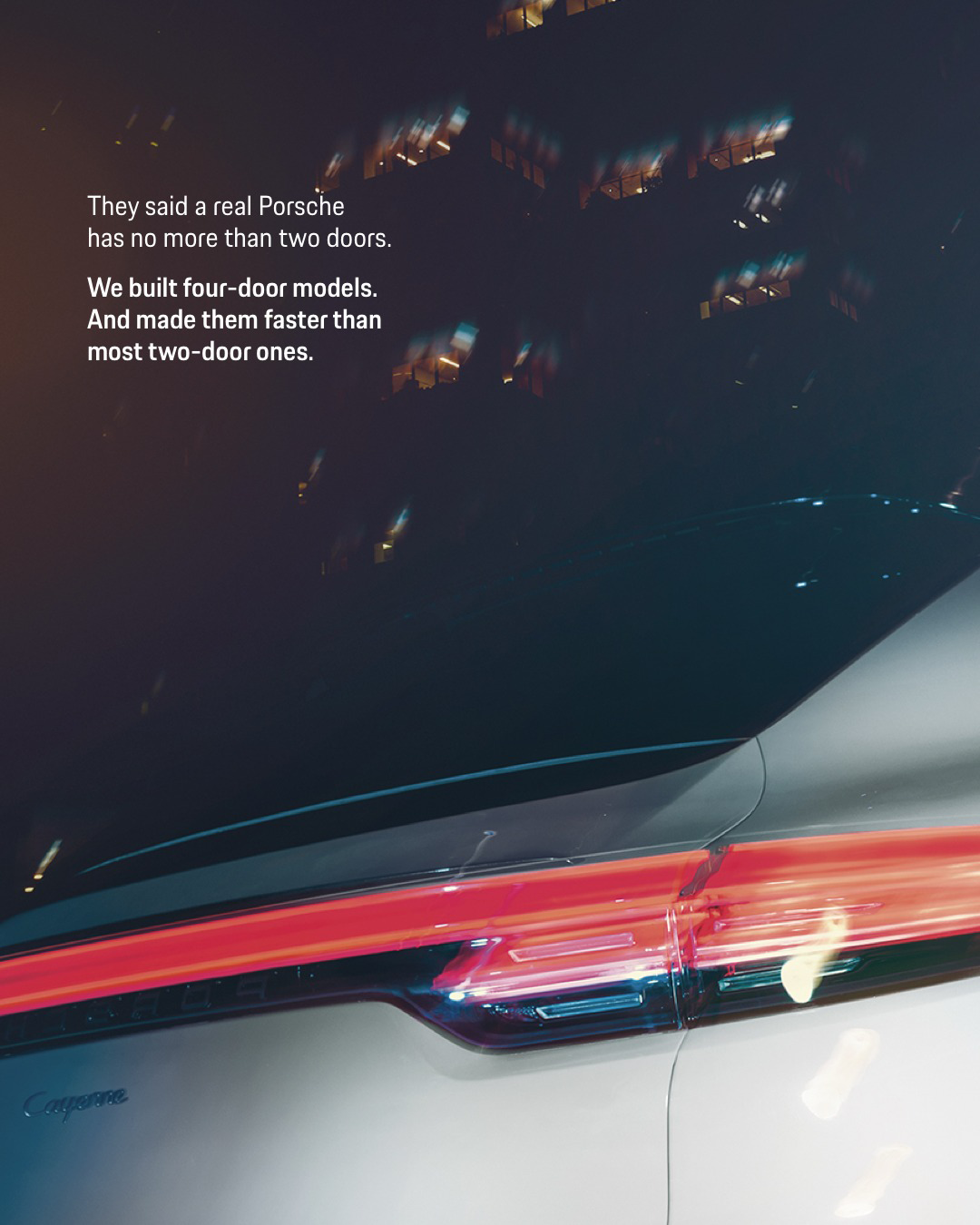
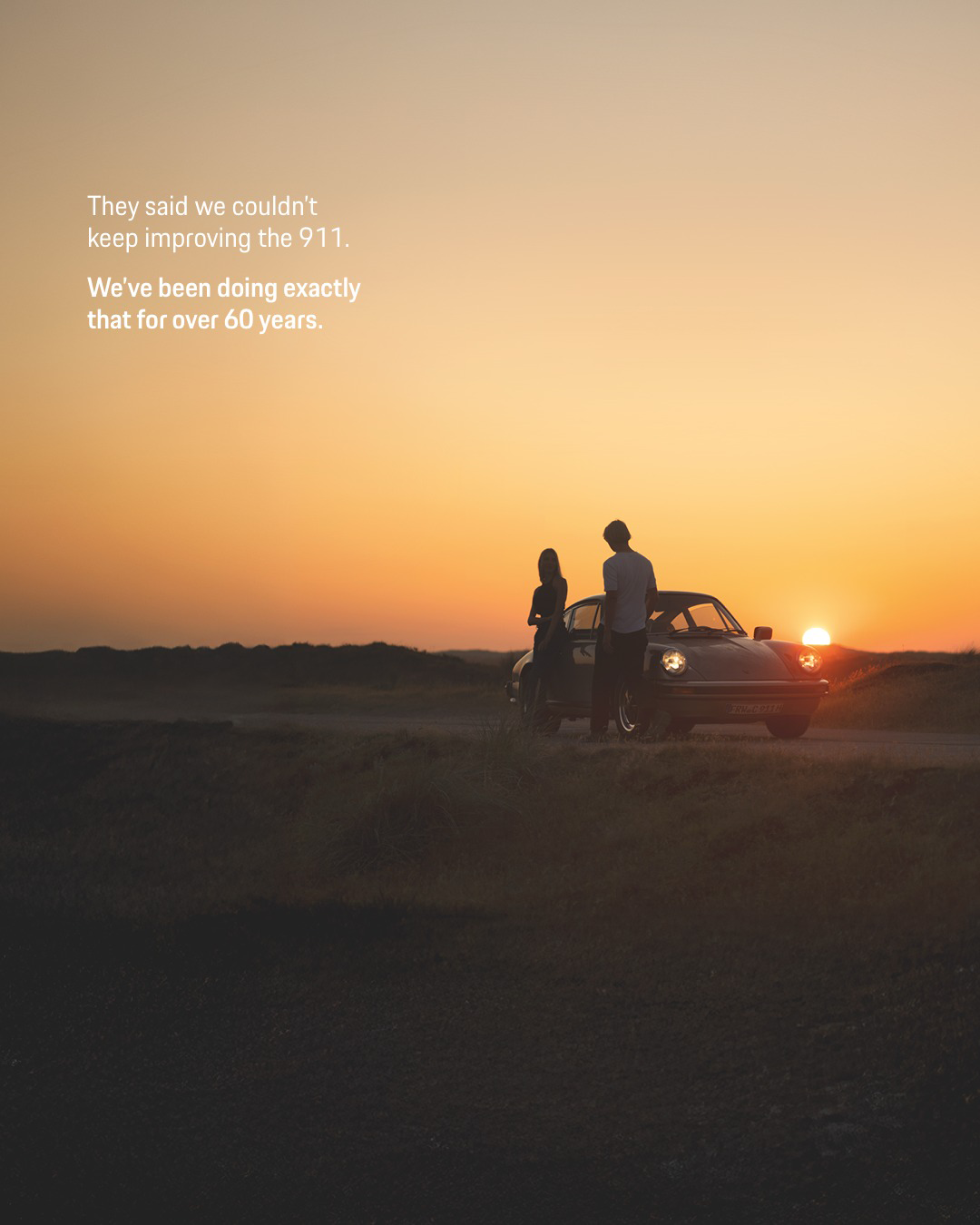
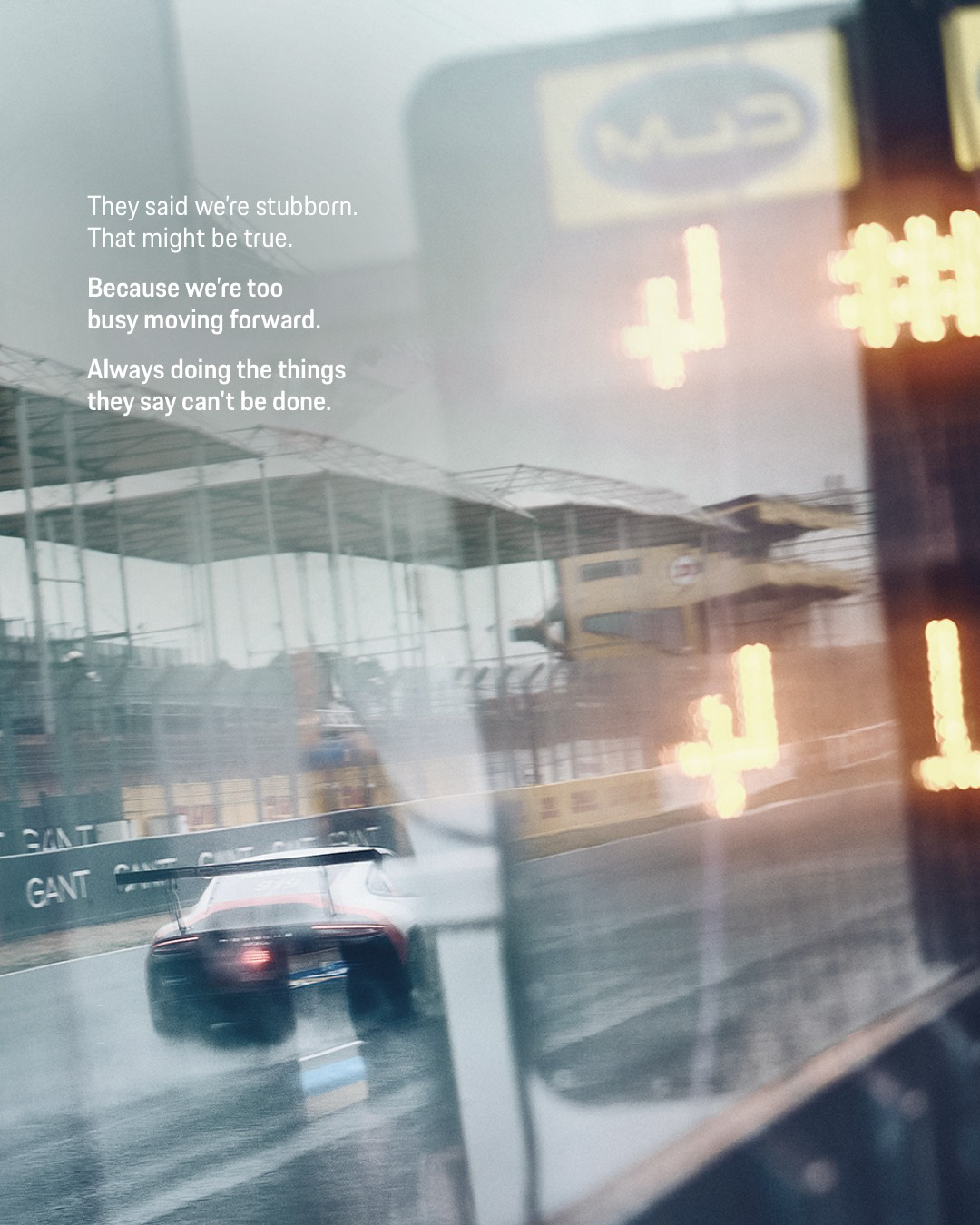
Porsche maintained its traditional embargo process by establishing an online system that restricted content distribution. The company used brief product teasers and configuration polls to generate customer excitement, leading them to visit car dealerships. The result was seen in rapid follower growth without brand dilution.
Porsche proved that luxury brands can embrace digital platforms without becoming accessible via social media, which operates as a venue for showing high-status products.
Electrifying heritage dreams
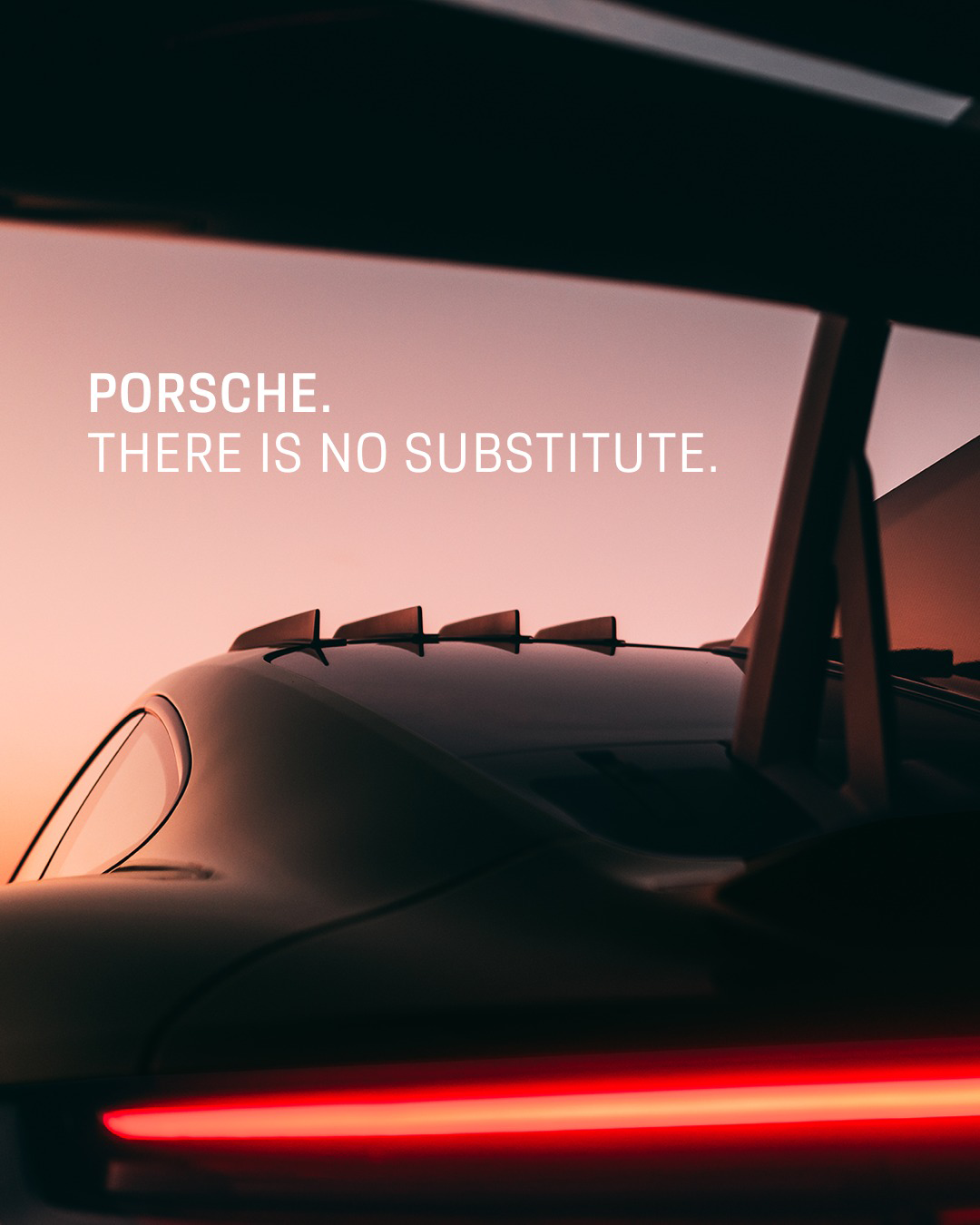
The marketing strategy adopted by Porsche between 2015 and 2026 is not really an adaptation to changing market dynamics but rather an evolutionary approach to brand meaning. The car industry has witnessed significant changes, from the advent of electric vehicles and the entry of digital natives into the market to the changing dynamics of younger generations and their approach to luxury goods. Yet, Porsche managed to evolve its brand in such an innovative manner that its most valuable asset, emotional equity, remained intact. At the strategic level, Porsche’s marketing strategy revolved around three pillars: heritage authority, innovation as continuity, and identity-based belonging. Porsche has always positioned itself in the market with the line, “There is no substitute.”
This tagline, which is the core of the Porsche brand, isn’t just an attempt to position the brand in the market as the best in its category. Why? From a positioning theory perspective, the Porsche car isn’t competing in the market; rather, it is the market itself.
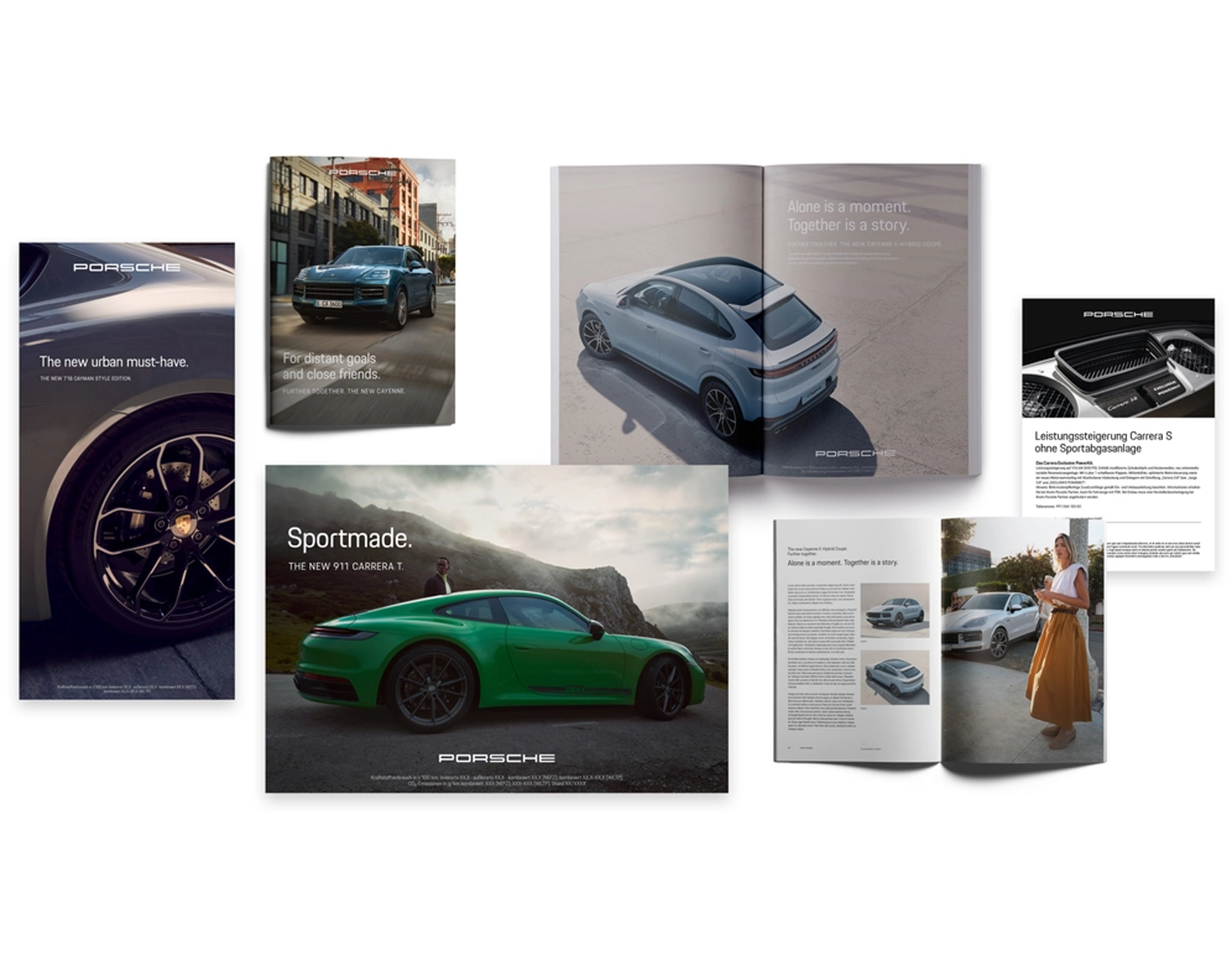
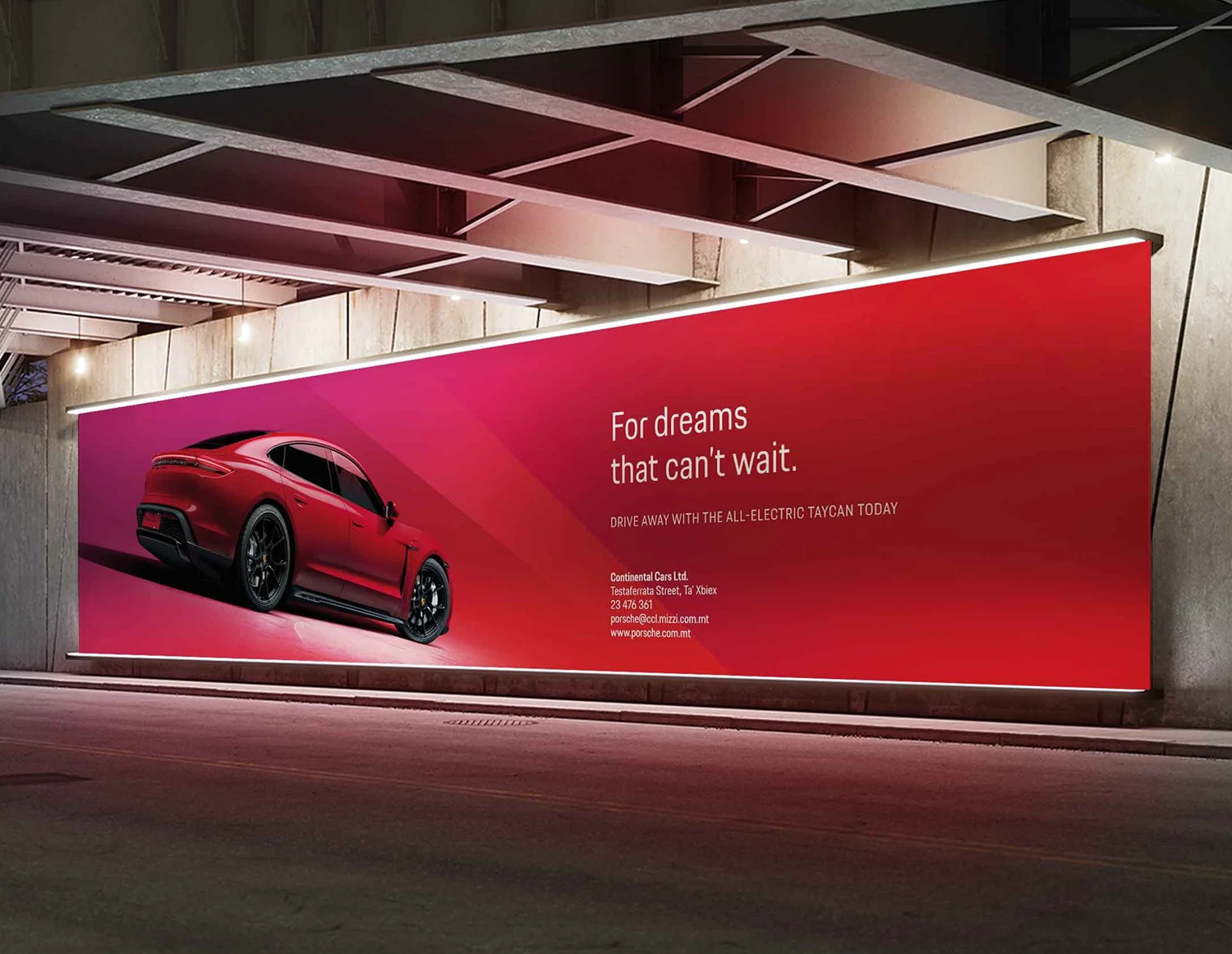
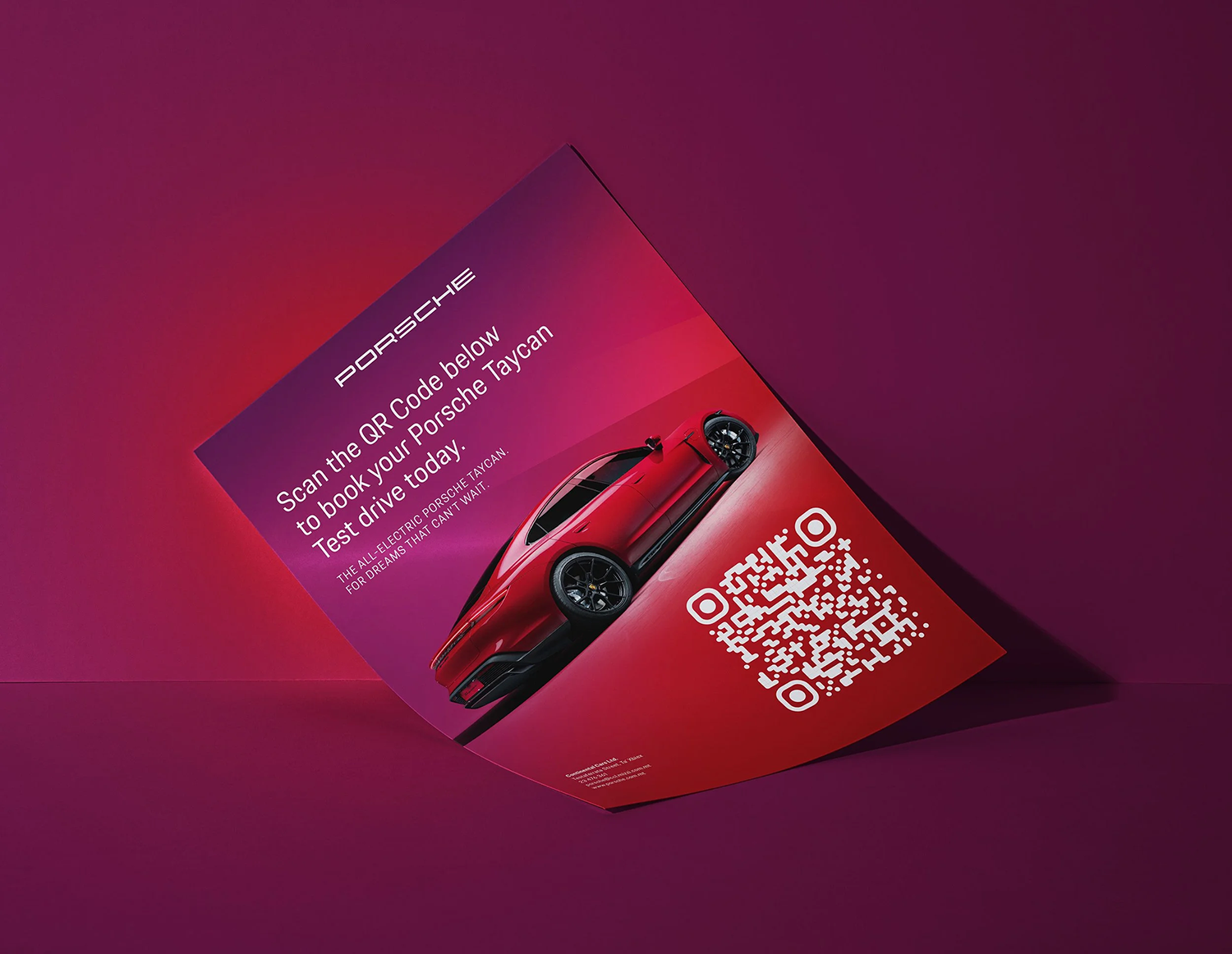
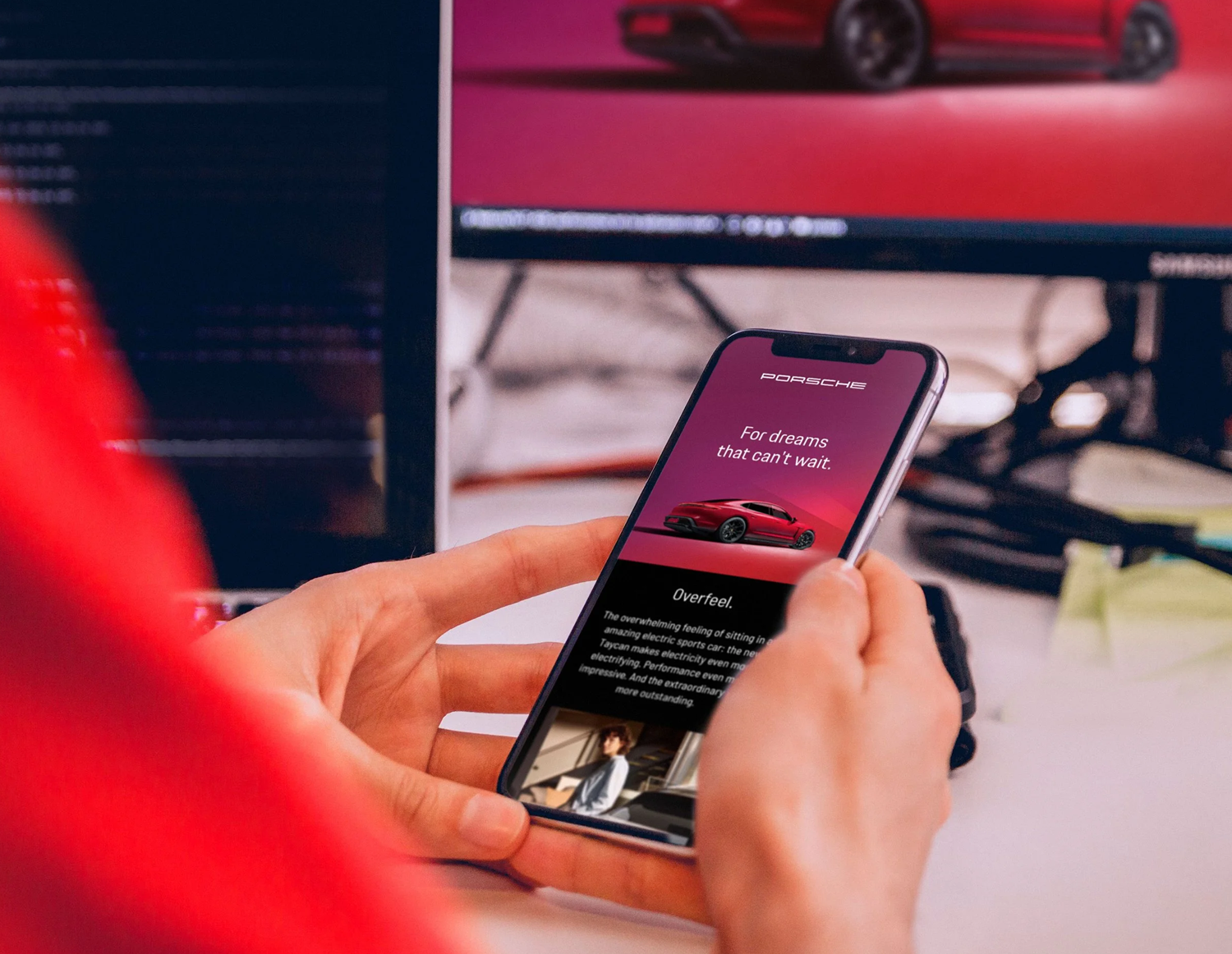
During this period, Porsche’s marketing strategy focused on partnerships with celebrities and the fashion industry¹² to fuse automotive heritage with modern lifestyle allure, captivating Gen Z through authentic emotional storytelling.
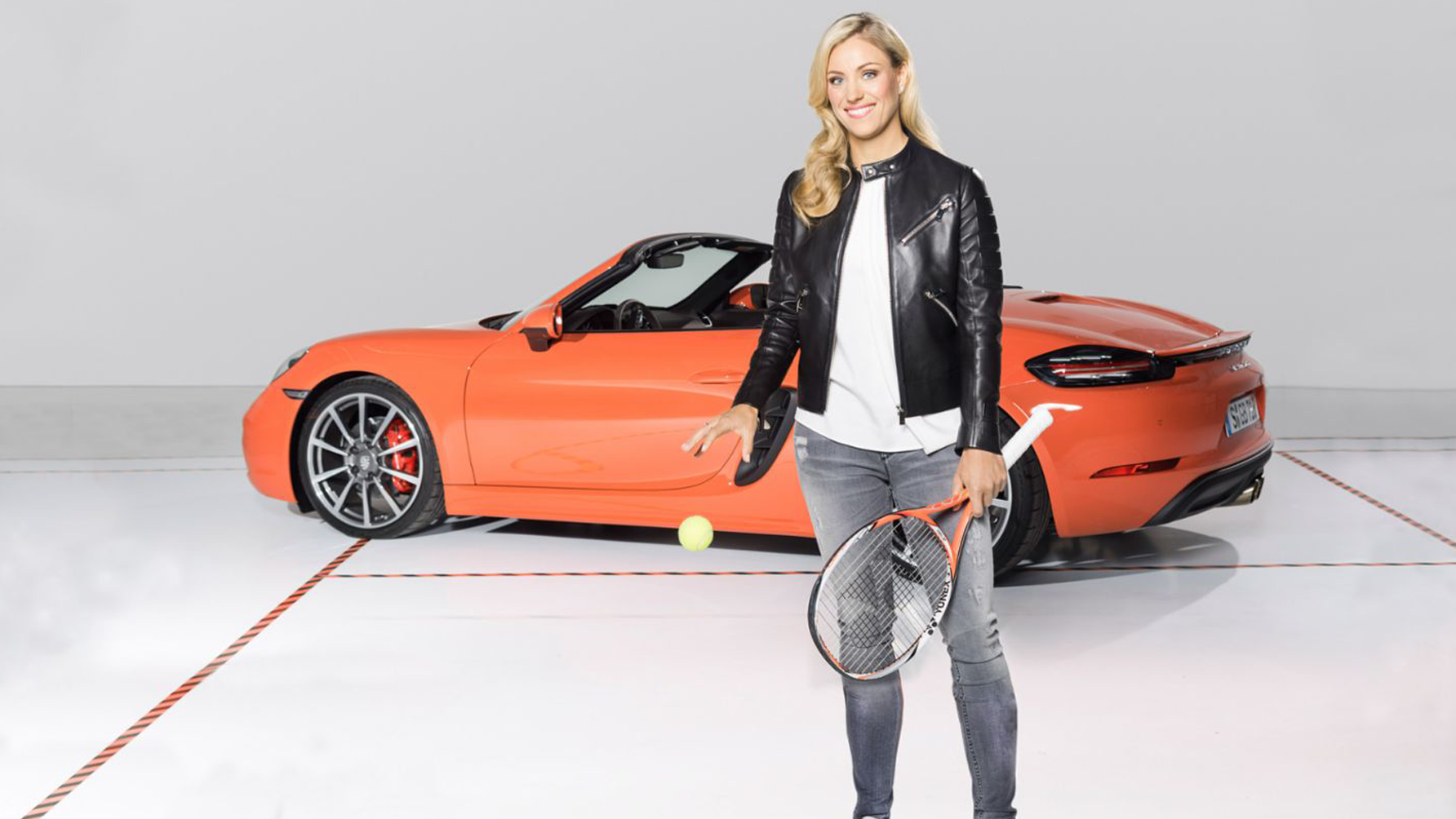
Porsche selects celebrities who embody performance, style, and resilience as brand ambassadors. They partnered up with singer Dua Lipa for an electric Macan campaign. Orlando Bloom collaborated with Porsche in 2025 for lifestyle products, as they share a common interest in design and innovation. Tennis stars Angelique Kerber and Emma Raducanu, who have been global brand ambassadors for Porsche, represent the brand value of determination.
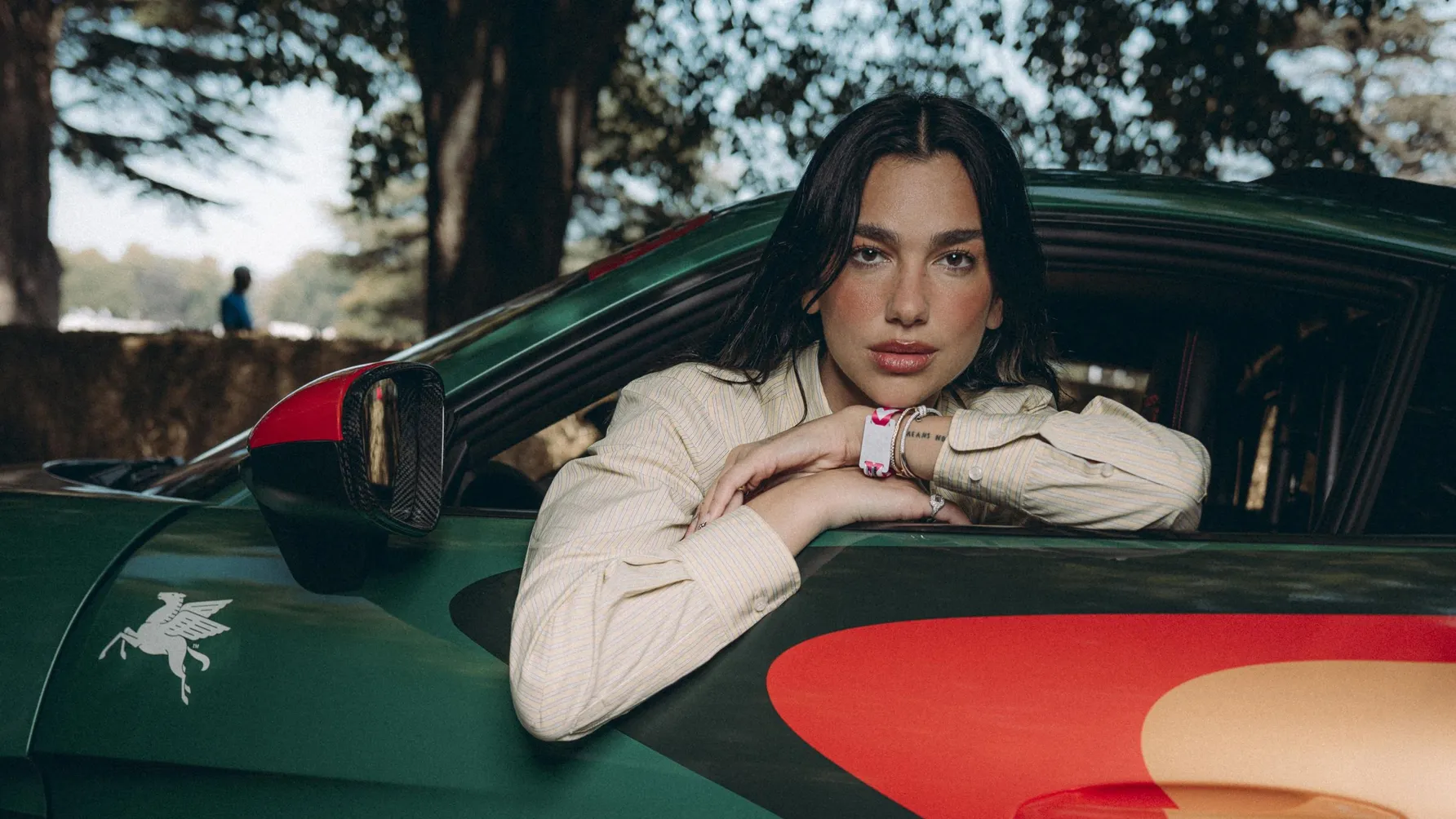
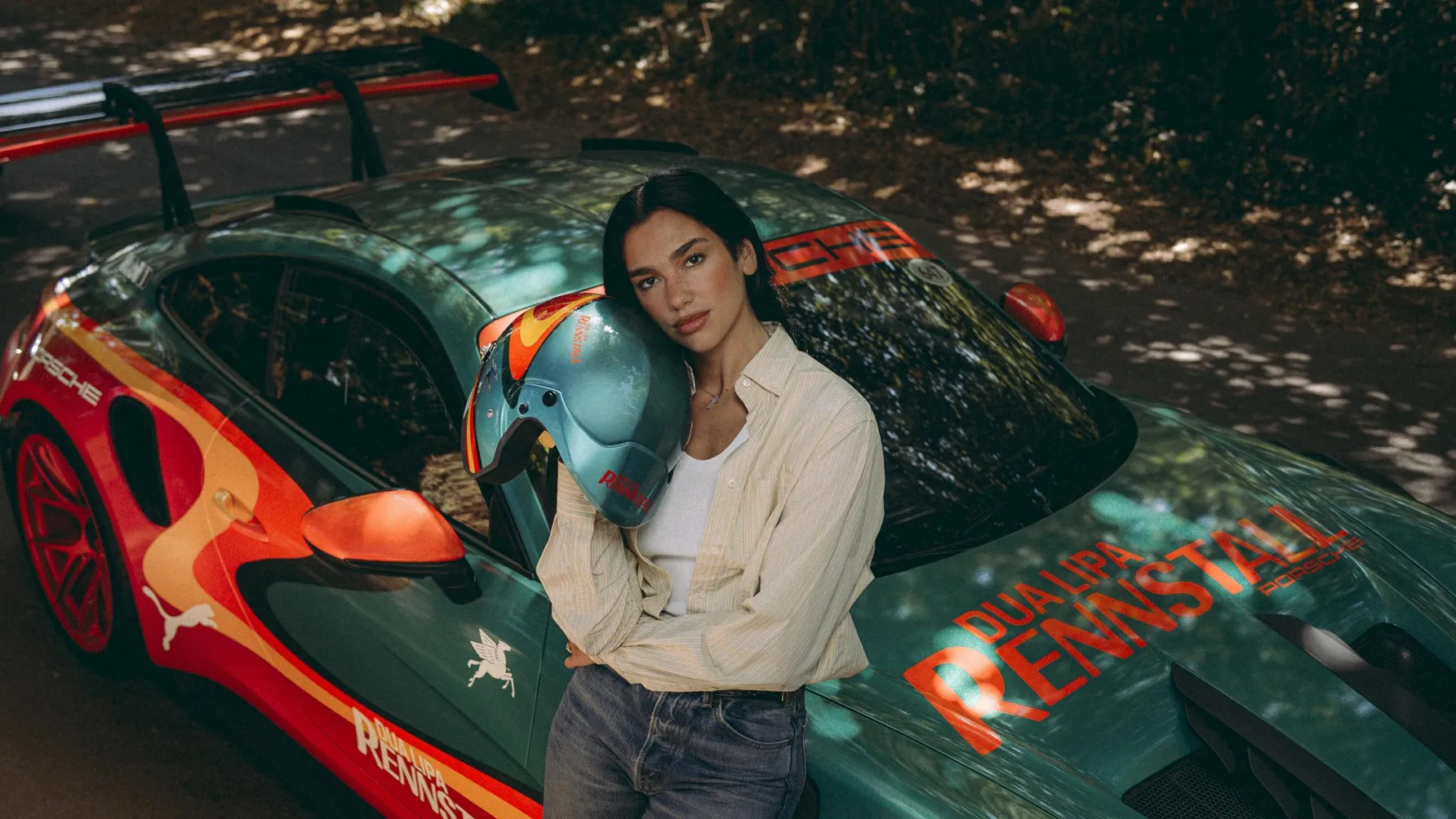
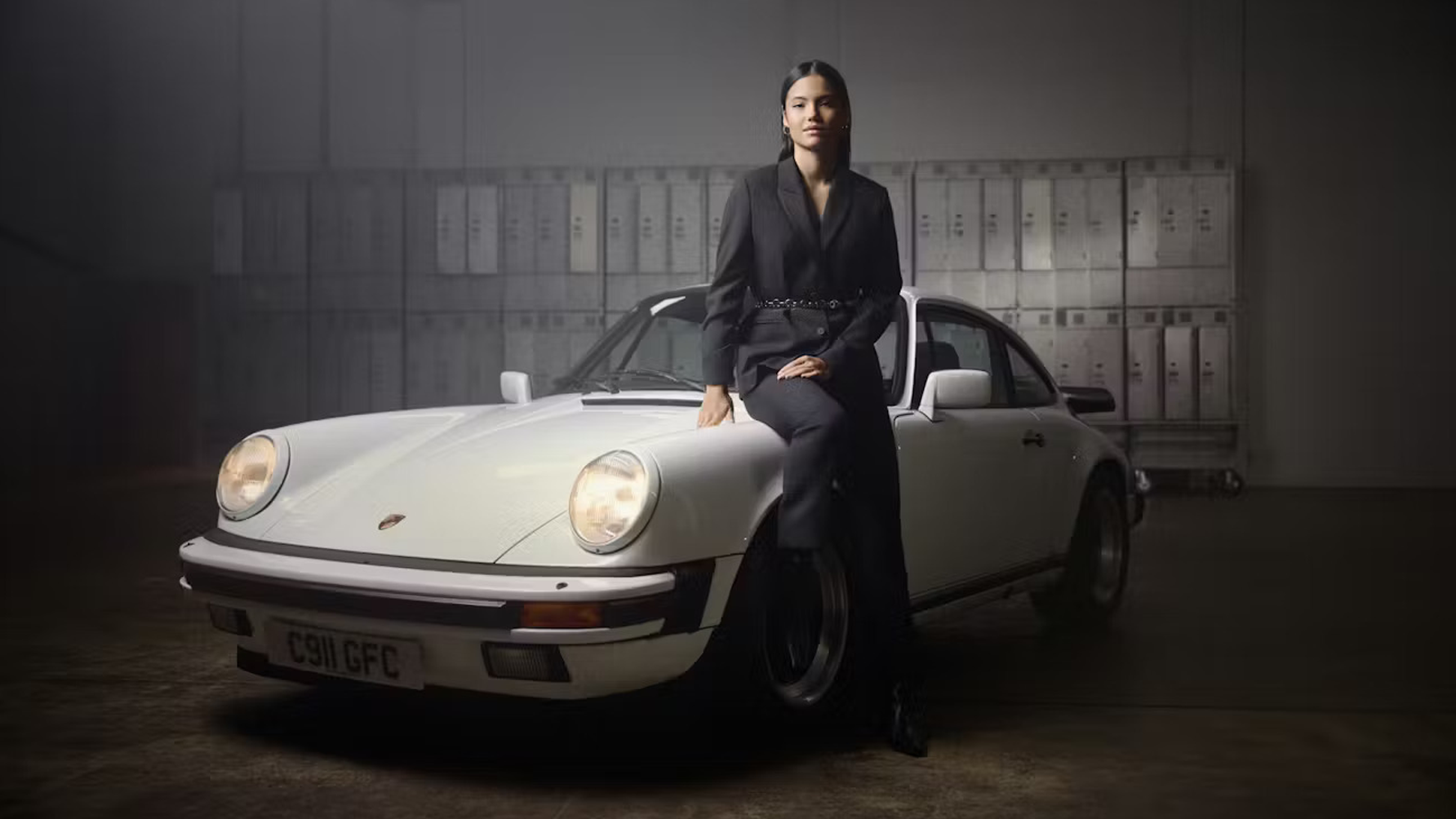
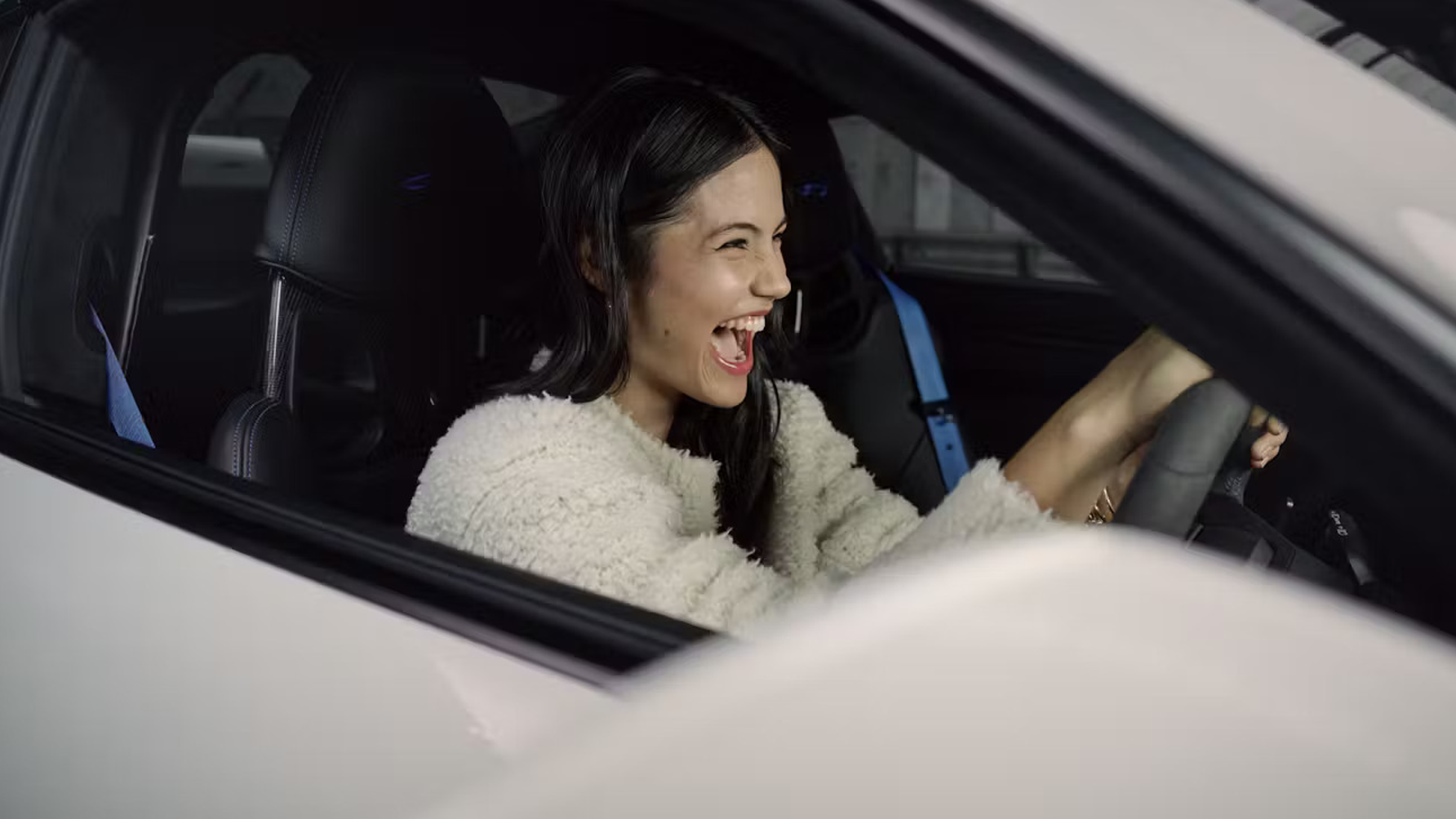
Porsche has partnered with numerous fashion brands to create co-branded products that blend its motorsport heritage with streetwear and luxury. For instance, Aimé Leon Dore collaborated on restoring classic Porsches, Puma on 911 Turbo anniversary shoes¹³, and Rimowa on its sold-out Pepita collection of luggage¹⁴. Recent collaborations include Boss clothing, Sprayground backpacks for its Formula E racing series, and Ferragamo-edition cars for its anniversary celebration in Italy. Other initiatives include sponsoring the Met Gala as its official electric vehicle¹⁵.
For the videos, Porsche’s marketing strategy relied heavily on cinematic storytelling. These were not specifications-focused advertisements. They were emotional infrastructures designed to reinforce identity.
The most notable campaign was “Driven by dreams” and its video “One of us”.
The video doesn’t feature cars but shows ordinary people from various backgrounds and different walks of life who are chasing their dreams against all odds. Their main focus here was building brand relevance through purpose-driven storytelling. From a strategic marketing perspective, this strengthened brand elasticity. Porsche was no longer limited to automotive performance; it became a metaphor for life performance. The video inspires a sense of aspiration and belonging through its grand visuals, personal stories, narrative, and soundtrack, culminating in “No matter who you are… you are one of us.” This inspires a sense of belonging. The viewer feels understood, and the Porsche brand shifts from being an exclusive status symbol to a symbol of shared aspiration.
Another great example is “We are Raceborn”, where they focused on their race heritage.
The “We Are Raceborn” video demonstrates the brand’s extensive racing history to create deeper fan connections. The campaign uses high-octane racing footage from various Le Mans and GT3 RS track victories to create an interactive experience. The campaign connects real-world activities through its Singapore Raceborn van tour and pop-up events, transforming storytelling into direct physical experiences that attract visitors and build anticipation for future events like the 2027 Experience Centre. This fully integrated, multi-touch marketing approach simultaneously engages loyal fans while also reaching aspirational audiences, building brand affinity without necessarily communicating overt sales messages.
From a visual and emotional standpoint, revving engines, daring overtakes, and historic victories inspire primal excitement and intergenerational pride. The overall messaging, “We are Raceborn, racing is in our DNA,” creates a sense of shared community, positioning Porsche not simply as a car brand but as a racing heritage. By encouraging viewers to claim their own stake in this heritage, the campaign shifts admiration into ownership and aspiration into emotional connection.
During this period, Porsche revolutionized retail as immersive brand destinations, turning transactions into emotional rituals that forge unbreakable loyalty¹⁶. The retail experience at Porsche creates brand experiences for customers, transforming standard purchases into emotional experiences that build lasting customer loyalty. “Destination Porsche” showrooms became brand immersion centers rather than traditional dealerships that handle customer transactions. The multisensory experience combines open architecture with digital configurators, heritage displays, visible service bays, and lifestyle elements, including cafés.
The marketing function accomplishes two different objectives. The first part of the statement establishes product transparency while authenticating engineering capabilities. The second part establishes purchase as a sacred practice. The physical environment creates greater value for Porsche by increasing customer value before negotiations begin.
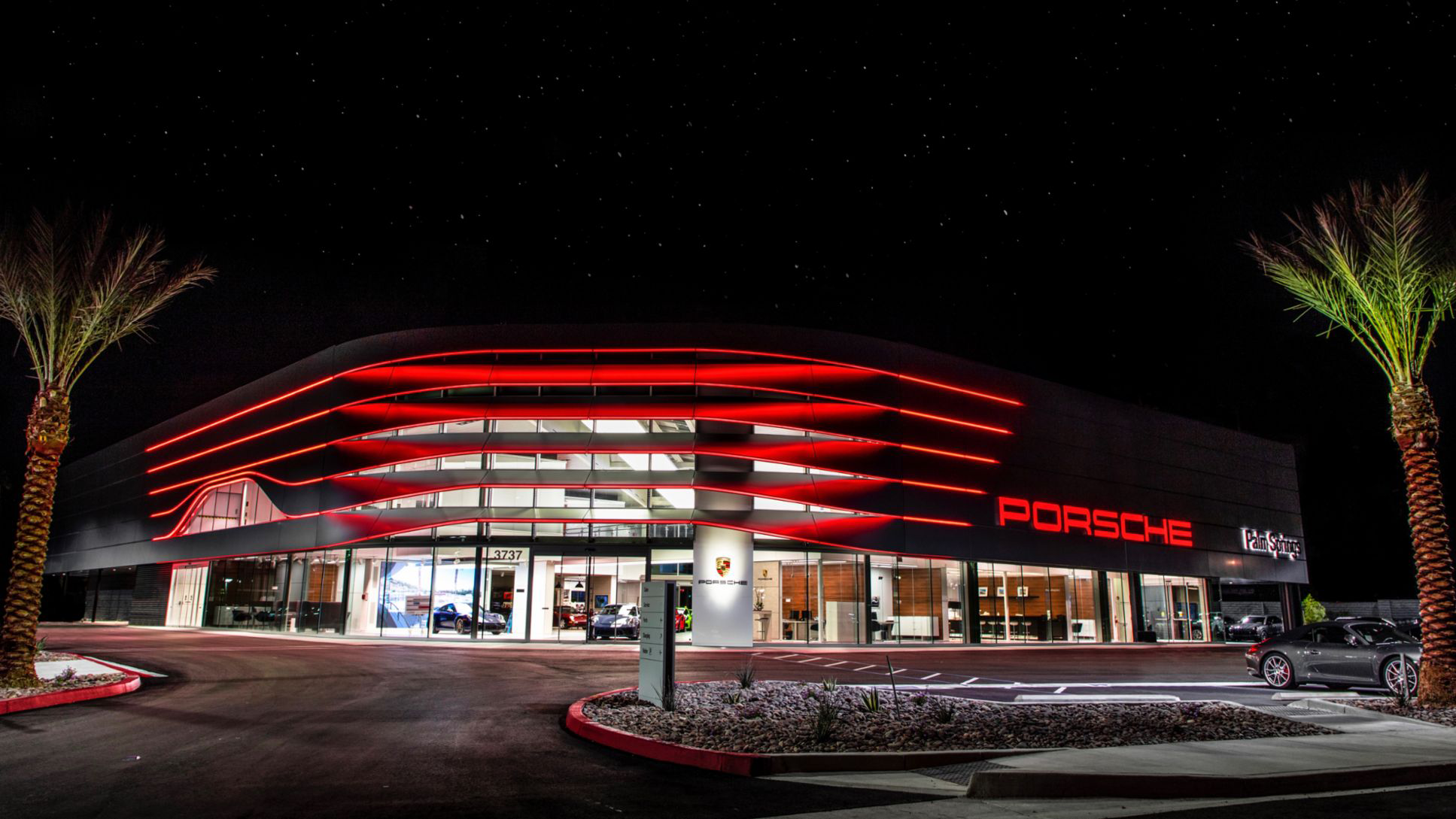
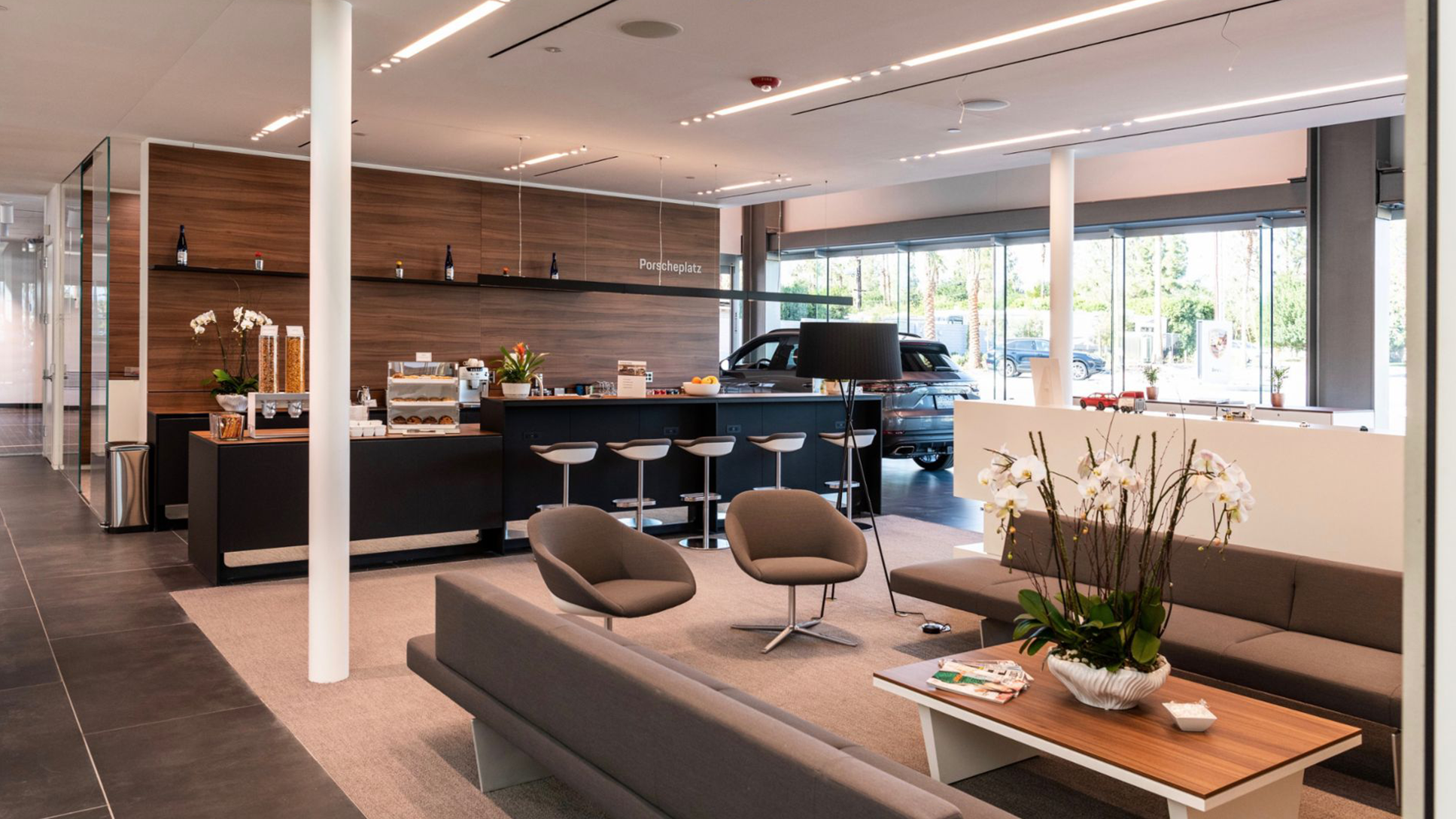
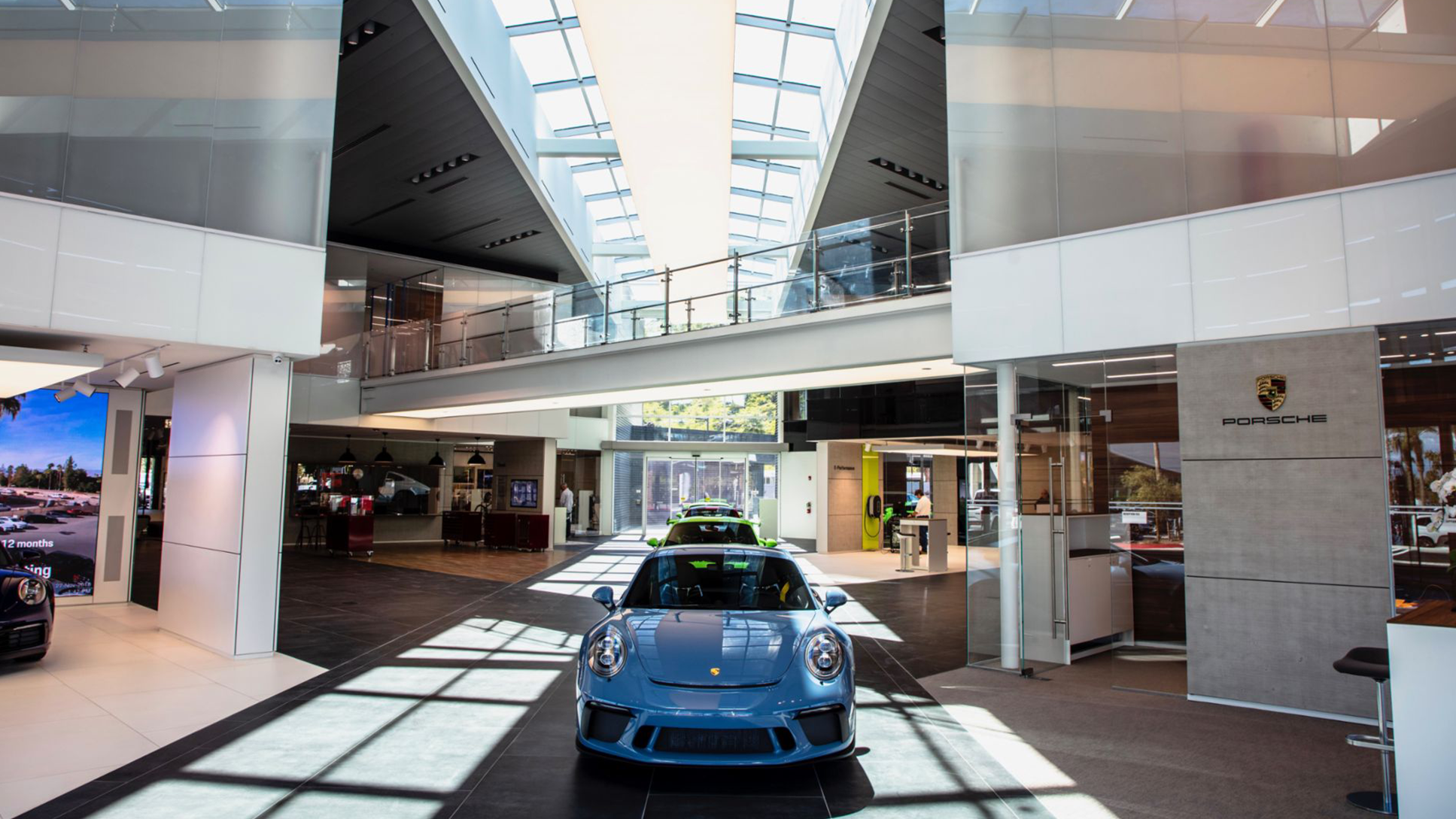
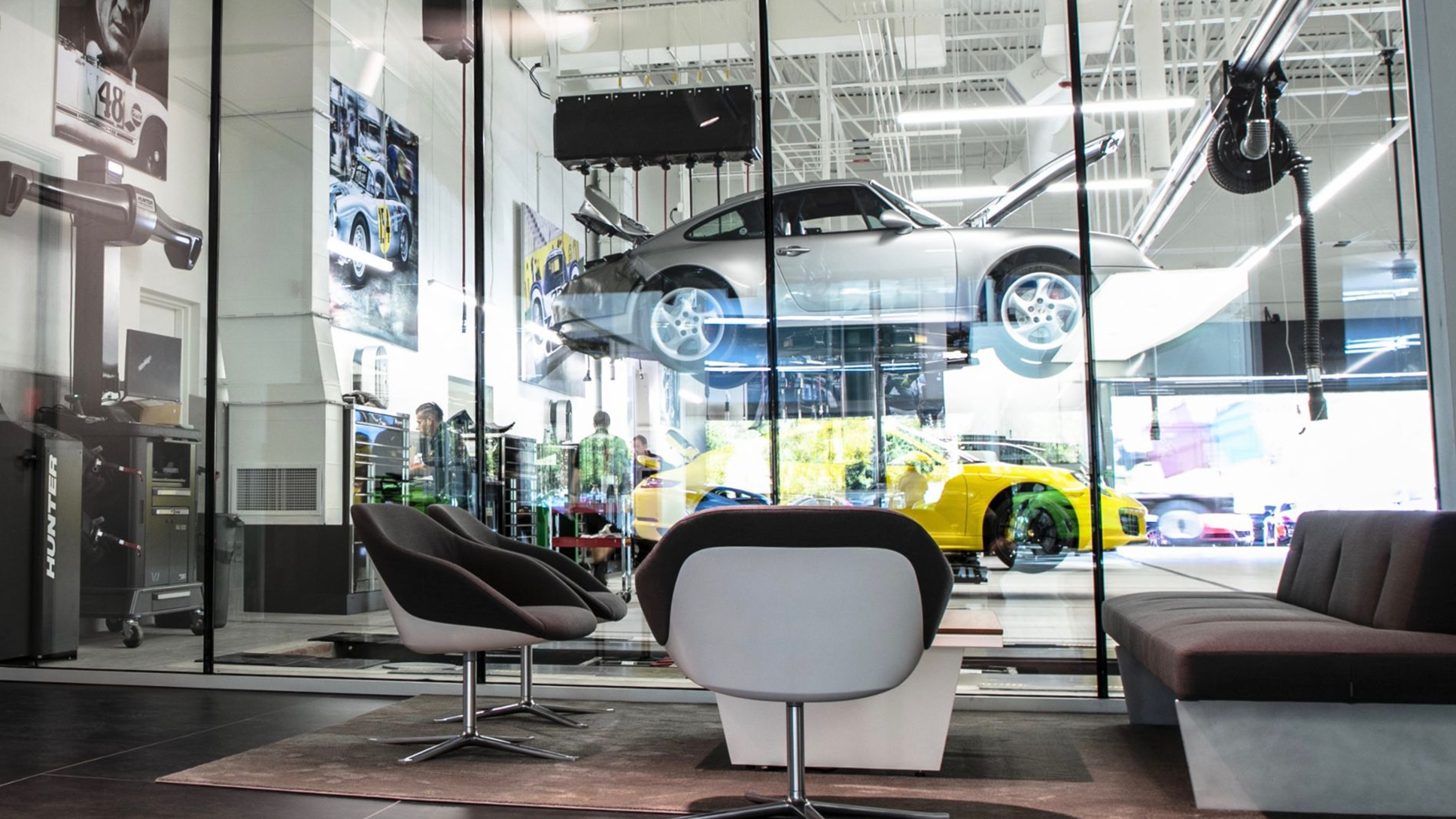
The showrooms create strong emotional connections with customers. The ability for customers to drive cars in high-performance spaces enables them to transform theoretical desires into concrete experiences. Research on experiential marketing shows that people who physically engage with products develop stronger brand loyalty. Porsche uses this strategy to develop lasting emotional bonds with customers.
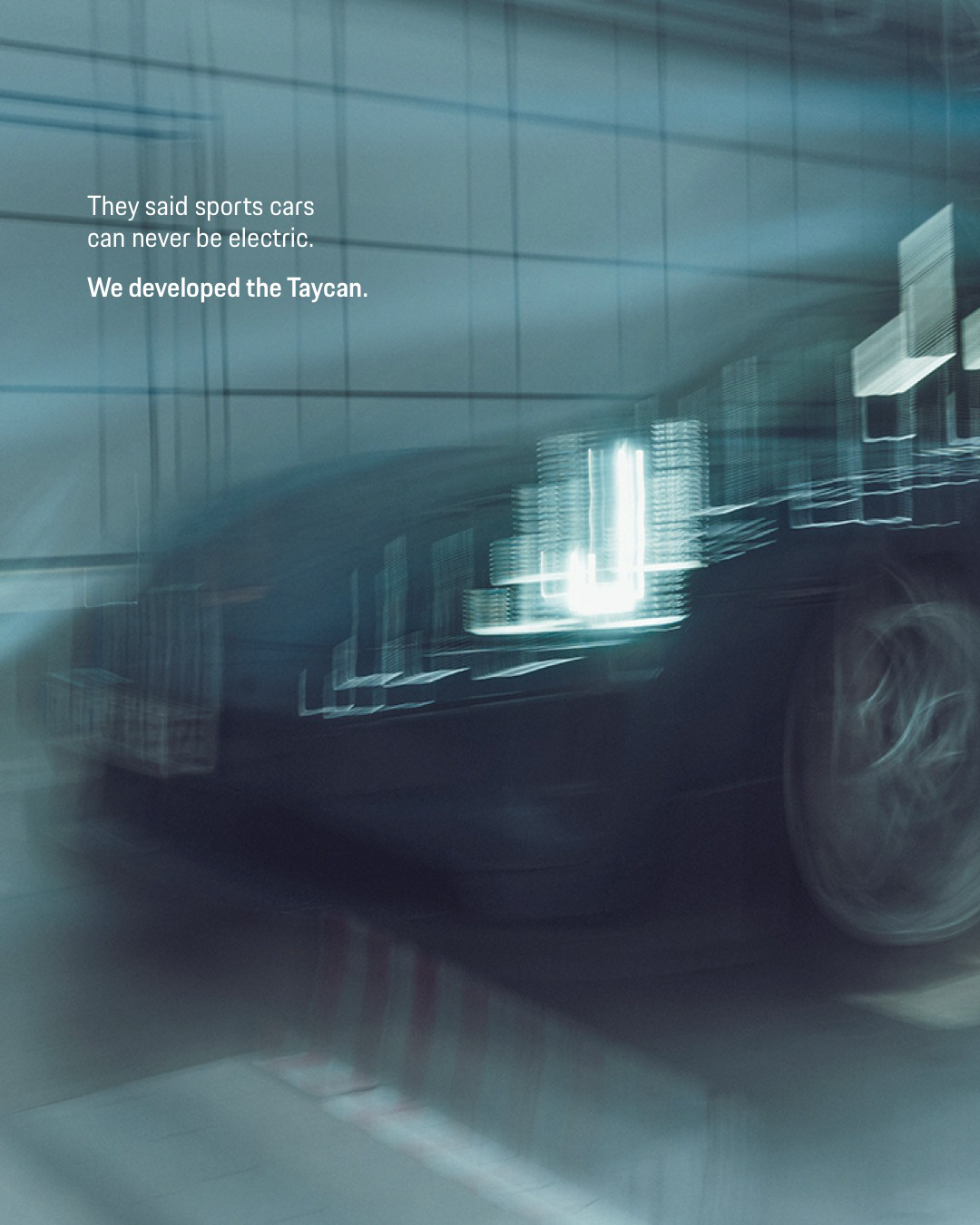
Once the automotive industry experienced rapid EV growth, which led Porsche to launch the EV Taycan¹⁷. It was promoted in the “Soul Electrified” video. From a marketing perspective, this was not a repositioning because it involved strategic reframing. The word “soul” evoked emotional ties to the brand’s historical roots, including the 911 mode, while “electrified” foreshadowed technological developments. The order of the elements establishes that innovation is a fundamental part of Porsche’s brand development process, which aligns with its original identity. Porsche evolved its brand through modern techniques while maintaining its core values.
The narrative is built around abstraction and mystery. Instead of introducing the Taycan through performance metrics or innovation claims, the script opens with an invisible force “like the wind… like gravity.” This sentence establishes that “soul” is something that is intangible but real. By focusing on what cannot be measured, drawn, weighed, or engineered, the film raises the idea beyond engineering and into the realm of emotion.
In terms of storytelling, the film progresses from doubt (“10 engineers, 10 answers”) to certainty (“there’s no debate about its existence”), creating narrative tension that resolves in affirmation. This serves to reassure loyalists that, even in the electric age, the soul remains the same. The final reveal, “The new Porsche Taycan. Soul, electrified,” establishes that electrification is not the end of the soul but its continuation in a new way. Emotionally, the film provides tension through sound and pacing. The lack of technical information keeps the video focused on emotional connection rather than promoting engineering.
The competitive market Tesla creates through its technology-first approach requires companies to build distinct market positions. Porsche chose to showcase emotional performance through driving feel, steering precision, sound design, and visceral acceleration rather than competing with other companies on battery range, software ecosystems, and autonomous capabilities. The research focused on both the sensory and psychological effects that drivers experience when operating a vehicle.
The strategic positioning is clear: while Tesla markets the future of mobility, Porsche markets the timeless joy of driving – now powered by electricity. This reframes EV adoption not as a compromise, but as an enhancement of performance DNA.
The method proves very successful when evaluated by its effects on pricing and margins. Brands that compete on specifications enter feature wars and price comparisons. Brands that compete on emotional value operate in a different decision-making framework. Porsche maintains its premium market position because its electric vehicles align with the brand’s identity, historical background, and dedication to driving excellence.
At a time when AI video generation often produces visually perfect but emotionally neutral outputs, Porsche chose a sketch-based style that feels intentional, tactile, and personal.
The video is simple yet effective because it shows a sketch that evolves throughout multiple years. The first sketches evolve into modern silhouettes that convey heritage and legacy through their visual presentation rather than technical accomplishments.
The sketching drawing effect adds authenticity to the video. The commercial’s sketch lines provide a refreshing contrast to the perfection that CGI and AI-generated content dominate in today’s digital environment. This ties directly into Porsche’s heritage of craftsmanship; every car starts as a sketch. Everyone loved the commercial because it paid homage to heritage without being nostalgic or old-fashioned. It was all about art over tech, and it felt both high-end and emotional. Rather than touting performance, it was all about heritage, reminding the audience that the 911 is more than just engineered; it’s a product of design passion over the years.
Regarding social media presence, Porsche demonstrates a controlled luxury transformation through its social media approach. The company uses Instagram and YouTube to showcase content rather than to sell products. The visual storytelling process uses lighting, texture, craftsmanship and atmosphere to create its artistic elements.
The #PorscheMoments user-generated content campaign invites people to join, while maintaining the brand’s visual standards. This creates a community without commoditization. Tribal identity strengthens when owners become partners in the creation process. Porsche uses YouTube to fund its long-form content, including engineering documentaries, 911 behind-the-scenes builds, and cinematic launch films. This content serves two purposes because it teaches about the brand and creates brand legends. The content increases institutional power while establishing deeper emotional ties.
Porsche uses its digital platforms to present aspirational content to reach more people while maintaining its current market presence. Scarcity arises from limited resources, which create the need for visibility to serve as a substitute for actual access. The situation remains unchanged because scarcity persists.
Conclusion
Porsche’s marketing strategy has never been about following trends but rather about setting them for its loyal customers who cherish its legacy, precision, and emotional driving experience. From a marketing strategy perspective, the brand has kept its brand DNA while expanding its product portfolio. The 911, for example, is no longer just an automobile but an icon, a moving legacy of continuity and excellence. The Cayenne, on the other hand, proved that the brand’s engineering prowess is not limited only to sports cars but also to crossovers, thereby ensuring its relevance in the market. The brand’s recent launch of the Taycan, an electric sports car, is also an exemplary case in point that its engineering philosophy is not only about performance but also about evolving the dream rather than replacing it. The digital era accelerated digital expansion, rather than replacing the marketing channels they used before. The combination of online videos, social media, and virtual media, such as video games, created a marketing system that allowed people to interact with the brand. Porsche used gaming to reach new cultural territories, bringing younger audiences to its brand before they reached buying age.
Porsche achieved global expansion while maintaining its exclusive brand image through its carefully created digital content, retail operations, and product presentation. The marketing strategy, which combines brand heritage with halo effect and electric performance standards, brought Porsche a successful brand transformation, which attracted younger high-end consumers and established its dominance in the premium electric performance market.
References:
1. www.investorrelations.porsche.com/e
n/about-porsche/heritage
2. www.porsche.com/stories/experience
/porsche-there-is-no-substitute/
3. www.porschefremont.com/porsche-history/
4. www.topspeed.com/the-model-that-saved-porsche-from-bankruptcy/
5. newsroom.porsche.com/en_US/produ
cts/porsche-cayenne-jubilee-one-million-vehicles-review-history
6. newsroom.porsche.com/en/2026/com
pany/porsche-deliveries-2025-41516
7. www.autoweek.com/news/a2070936
/free-advertising-porsche-enjoys-exposure-family-film-cars/
8. www.mavment.com/blog/en/porsche
-in-video-games-from-sim-racing-to-arcade/
9. www.stuttcars.com/porsches-in-video-games-over-the-past-40-years/
11. autoads.co.za/the-allure-of-exclusivity-advertising-limited-edition-cars
12. www.porsche.com/stories/culture/aim
e-leon-dore-cars/
14. shop.porsche.com/cy/en-CY/p/rimowa-x-porsche-hand-carry-case-pepita-limited-edition-P
15. www.glossy.co/fashion/luxury/inside-fashions-love-affair-with-porsche/
16. newsroom.porsche.com/en/2019/com
pany/porsche-centres-worldwide-corporate-architecture-prototype
17. newsroom.porsche.com/en_AU/2021/
products/porsche-taycan-australian-product-highlights-23584.html