

Psychological triggers for NOT buying an EV
- Published: 08/04/2026
- 9 minutes read

Psychological triggers for NOT buying an EV
- Published: 08/04/2026
- 9 minutes read
Introduction
Electric vehicles (EVs) are certainly technology-driven and offer advantages such as range, speed, and smoothness. However, despite these advantages, consumers are not buying EVs as they expected. The traditional approach to understanding this phenomenon is cost-related.
Many studies have shown that cost, range, and infrastructure are major reasons for the poor adoption rate. However, the real, albeit subtle, driver for the low adoption rate is the psychological barriers, fueled by social media, influencer marketing, and cultural narratives.
The purpose of this article is to decode these barriers from a marketing standpoint, providing unique insights, where we don’t just look at what is happening, but also understand why it is happening.
The psychology behind car choice
At its core, car choice is rarely rational. People don’t purchase a car; they purchase an identity, a status symbol, a thrill, or an aspiration. Academic studies have shown that high-involvement decisions, such as those involving a vehicle purchase, are heavily influenced by emotional triggers before rational ones. For EVs, the emphasis is on their efficiency, green appeal, and money savings, rational decisions based on System 2 thinking(logical, analytical, slow). Gasoline vehicles are always presented in a manner of thrill, power, or identity, a clear appeal to System 1 thinking (emotional, fast, instinctive). The gap between rational EV decisions and emotional gasoline decisions is a major cause of indecision. Consumers want a vehicle first and then evaluate its efficiency.
Perceived risk and control
Consumer resistance to EVs is further fueled by the following psychological risk perception factors:
- Range anxiety: the fear that a car will run out of battery during a journey.
- Charging infrastructure anxiety: the fear there will be no charging stations along the road.
- Repair and maintenance anxiety: EVs are perceived to be difficult to repair and customize. Gasoline cars are perceived to be easy to repair and customize. Gasoline cars are “trusted,” whereas EVs are not.
- Depreciation anxiety: there is fear about the battery being weaker and eventually dying over time.
Gasoline cars are associated with power and control. EVs are associated with risk and powerlessness. EVs are closed systems with software-based functionalities.
Social media: where narrative trumps logic
Social media is the primary driver of car perception.How people feel about a car is more important than what they think about a car.
1. Internal combustion (IC) vehicles
Internal combustion (IC) vehicles are focused on emotion-first storytelling. They are heavily promoted by influencers.
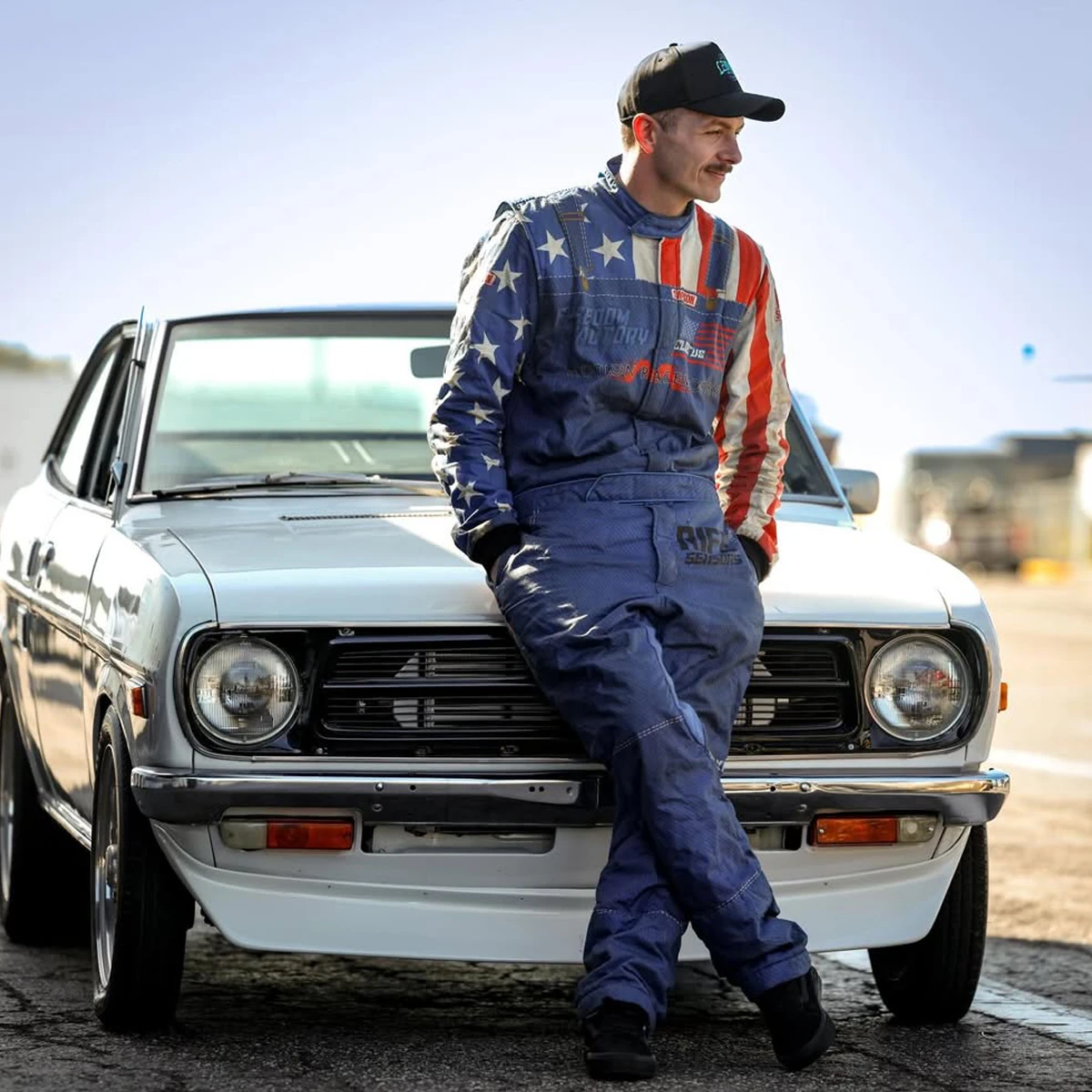
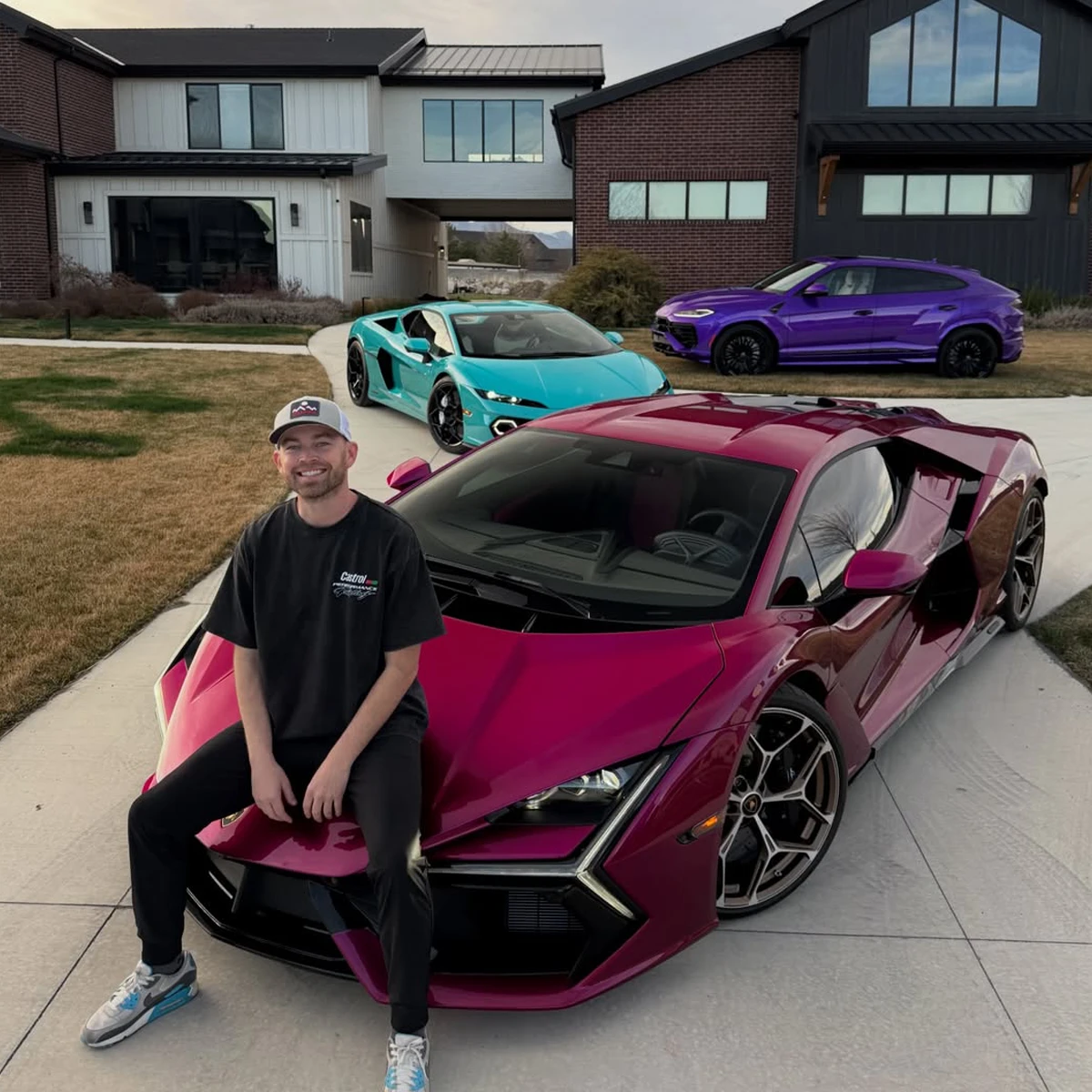
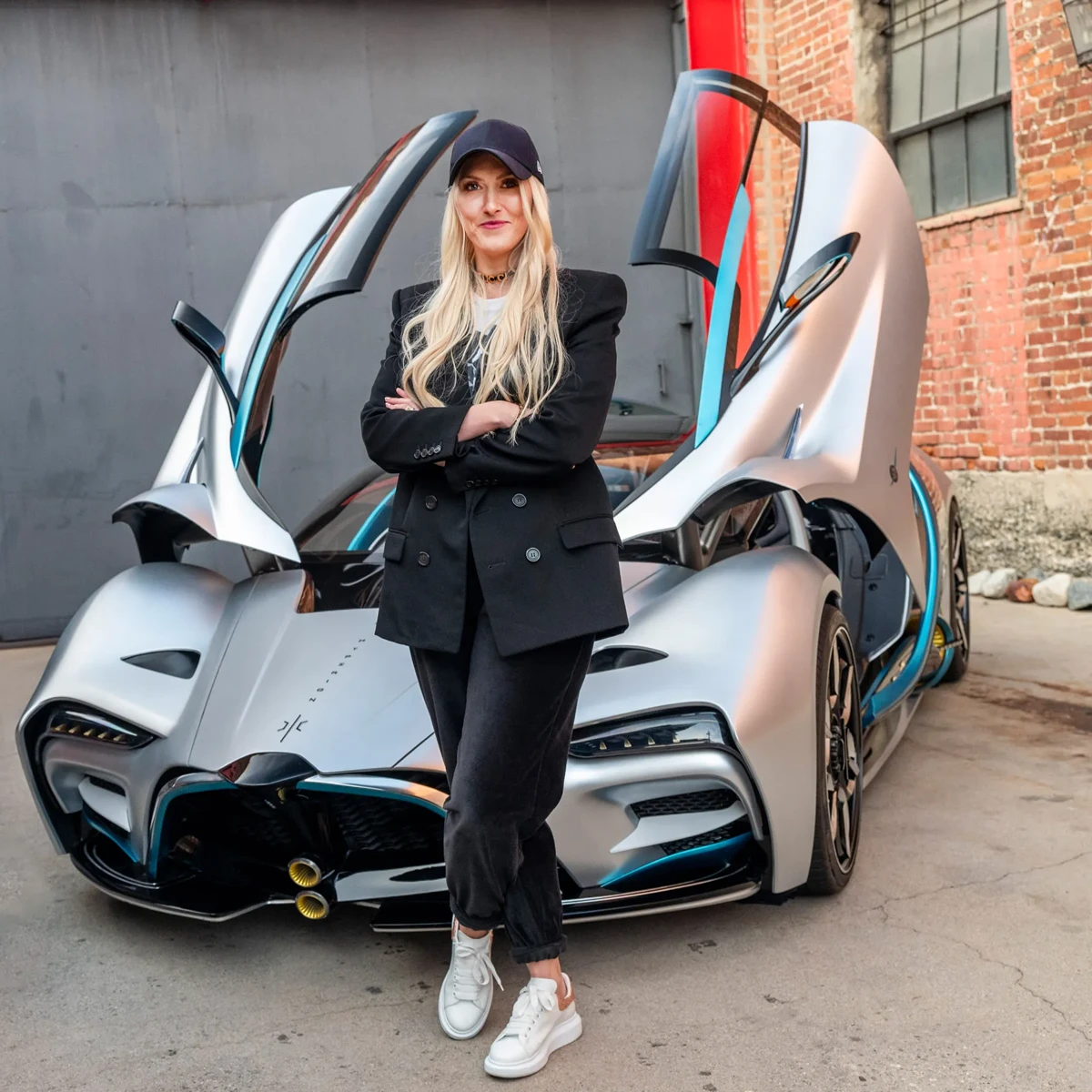
Supercar Blondie – she has millions of followers on Instagram and YouTube. Her content includes V12-powered vehicles, exotic supercars, and a luxurious lifestyle. James “Stradman” & Adam LZ – their main focus is on modifications and exotic ICE vehicles. Manny Khoshbin & Movlogs – their primary objective is to promote aspirational gasoline car culture. Through their posts, gasoline vehicles are perceived as aspirational, exciting, and desirable.
On the other hand, EVs are occasionally presented as a curiosity. Repeated emotional exposure to gasoline car culture solidifies the notion that gasoline car culture is the “default” car culture.
2. EVs
Focused on logic-first storytelling, EV Cars are presented as:
- Battery and range-focused.
- Efficiency and sustainability-focused.
- Technical and feature-focused.
These are the primary factors that activate the slower System 2 Thinking.
Logic alone may not be enough to evoke immediate emotional responses. It isn’t likely to evoke immediate emotional responses when System 1 Thinking is repeatedly exposed to the emotional appeal of Internal combustion (IC) vehicles.
Quantitative and qualitative social media patterns
We have done some content analyses that revealed that influencers play a pivotal role in shaping consumer perceptions of vehicles. They often prioritize emotional storytelling over specs. Their content also shows that there is an important imbalance in the content of supercar and exotic channels that ignore ICE thrill rides and lifestyles at more than 70% and prioritize electric vehicles at just 10-15%. Similarly, the content of performance enthusiasts also shows that they prioritize ICE content at 60-80% and ignore electric vehicles at just 10-20%. The content of tech channels is more balanced between electric and ICE vehicles at 40-60% and 30-50%. On the other hand, the content of electric vehicle creators is the most balanced between electric and ICE vehicles at just 10-20% and 70-80%.
The dominance of the senses in gasoline-powered vehicles (roar of the engine, rebellion of the heritage) continues to perpetuate the ICE advantage, even as EVs outpace range estimates. EV marketing strategy must be focused on engaging the broad audience of supercar influencers through sponsored thrill-driven campaigns such as drag racing demos or speed-focused reels to create the same emotional connection and drive adoption beyond the rational benefits.
Social media platform engagement
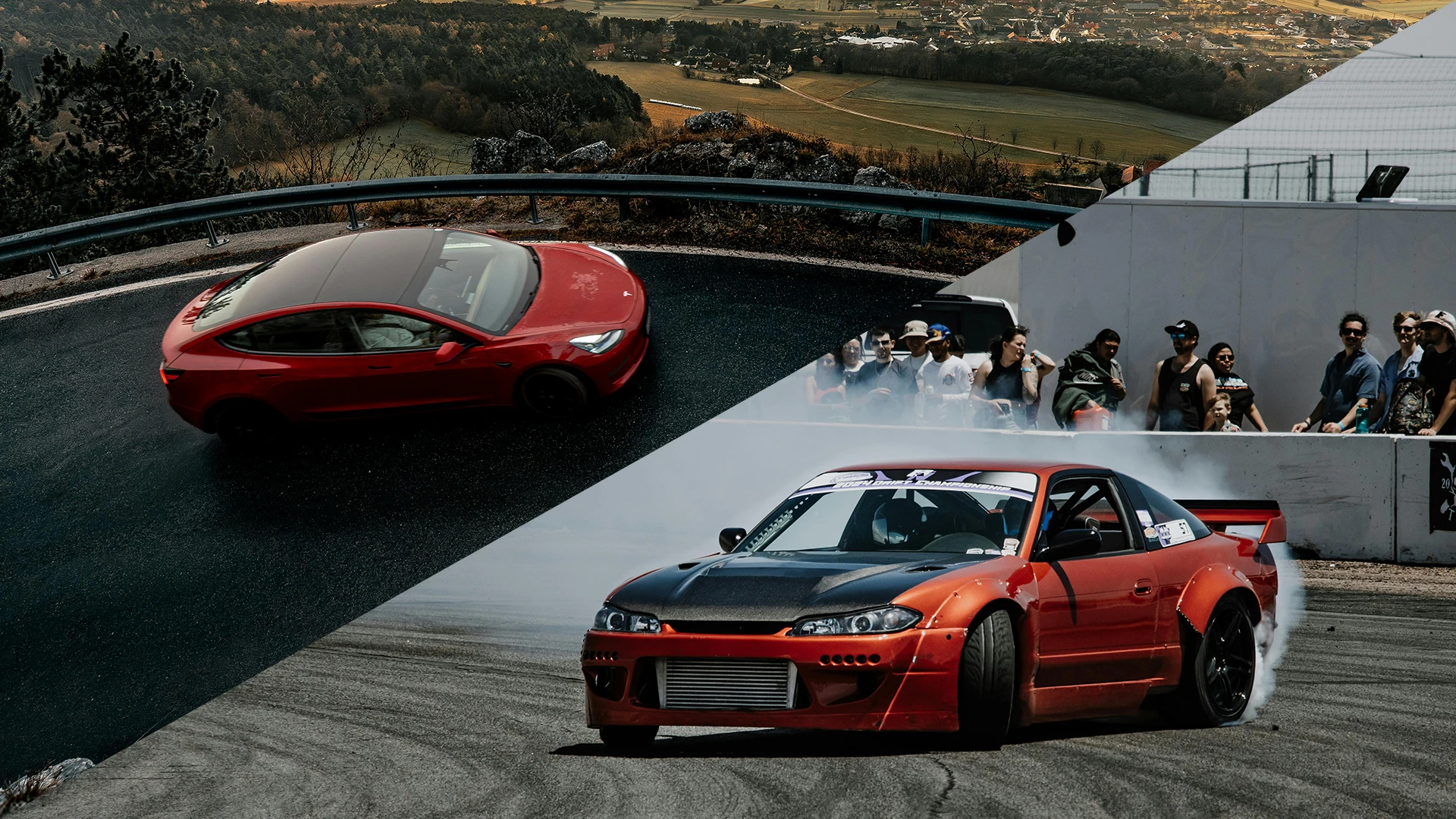
If we look at Instagram and TikTok, videos are focused on using auditory and visual stimulants like engine sounds, screeching tires, and high-speed shots. EVs are at a disadvantage unless looks or speed are highlighted. YouTube is mainly focused on long-form content features, test drives, comparisons, and first-person experiences. EV content features costs, range, and recharging time-not aspirational content. Reddit and Forums are risk-prone. Gasoline forum content is achievement-oriented, modding-focused, and mastery-oriented. EV content is plagued with range anxiety, recharging issues, and battery degradation.
Emotional vs rational triggers
Humans use two cognitive systems:
- System 1: emotional – quick, intuitive, and feeling-based
- System 2: rational – slow, analytical, and logic-based
IC cars tap into System 1 through:
– Sensory thrill
– Identity/status
– Mastery/control
EVs tap into System 2 through:
– Cost savings
– Environmental and technology reasoning
Emotional engagement dominates early adoption decisions. Due to this, rational factors of EVs put them at a disadvantage.
Anti-EV narratives on social media
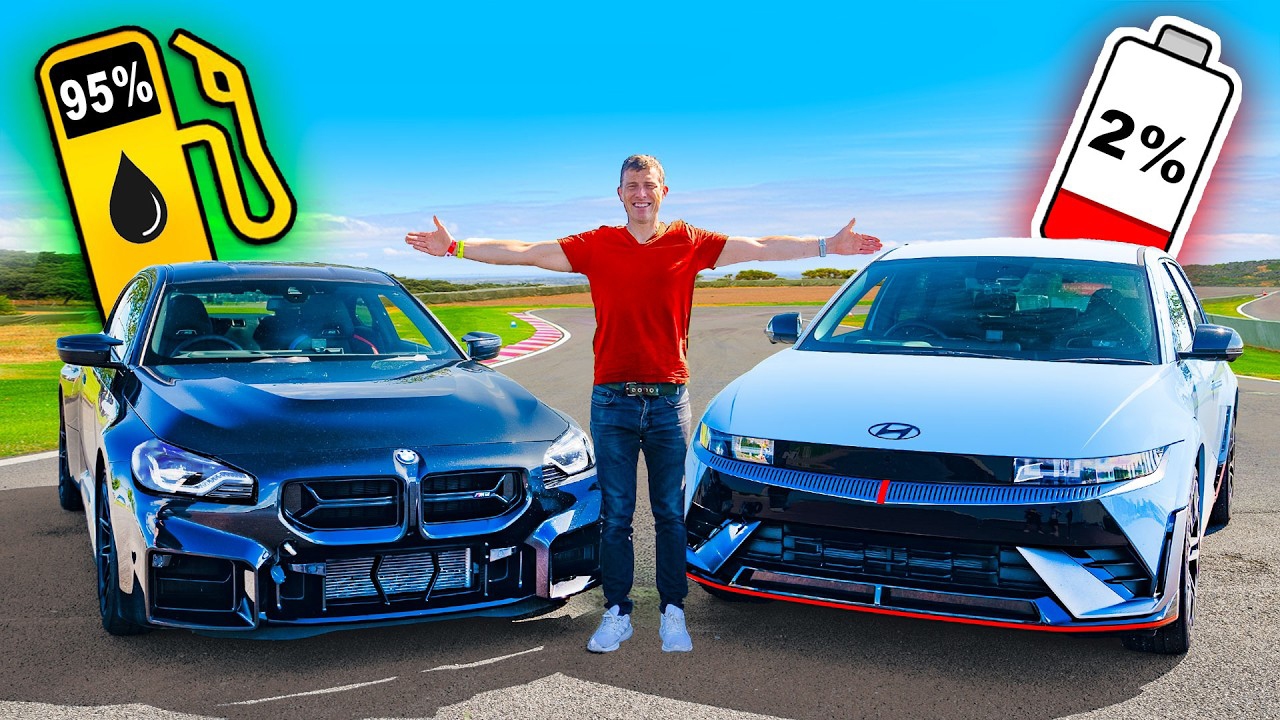
The organic content on social media, acts as a viral threat that EV brands need to eliminate proactively because it uses high engagement without paid promotion. For instance, on YouTube, viral rants about range anxiety and charging time go viral in no time, racking up millions of views because of clickbait thumbnails that use people’s fear of missing out on reliability. On Reddit, rants about total cost of ownership, battery life, and “forced transition” have an echo chamber effect where the top comments on a subreddit reinforce the negativity among 100,000+ members of the subreddit.
What EV brands can do?
- Partner with micro-influencers to create quick-response videos debunking myths and facts, targeting the same search terms.
- Advertise user-generated success stories to counteract negativity with positivity.
Negativity bias causes anti-EV content to have a disproportionate presence in search results, where one viral rant can cancel out 10 positive reviews. EV brand campaigns need to have the same emotional velocity to regain brand control and sustain momentum.
Cognitive bias
There are some cognitive biases that subtly contribute to consumers’ inclination towards gasoline cars and impede EV adoption. The availability heuristic is one such cognitive bias that plays a major role in consumers’ perception. Social media are flooded with gasoline car content such as engine sounds, high-performance videos, luxurious supercars, and road-trip stories. These are more readily available on social media and hence are more likely to be stored in consumers’ minds. As a result, consumers tend to think of “the ideal car,” and gasoline cars are the first to come to mind. Moreover, there is loss aversion. Consumers are more likely to be influenced by negative EV stories such as charging hassles or battery problems. These stories are given more weightage in consumers’ minds than positive stories about EVs. Finally, there is status quo bias. Gasoline cars are an integral part of car culture and identity.
IC vehicles are the dominant narrative in the culture of social media, influencer marketing, and car enthusiasts’ communities. Gasoline-powered vehicles are portrayed as thrilling, powerful, and aspirational. EVs are still largely communicated through the rational benefits of efficiency and sustainability. This leads to a lack of emotional connection with the audience.
Potential steps EV brands can take are:
- EVs need to be associated with aspirational experiences such as road trips, innovation culture, and modern living.
- Working with mainstream car influencers is a key area. It will help EVs become a part of the larger car culture.
- Real-life experiences are a great way to counter the fear-driven narrative.
- Storytelling across social media channels is a key area to shift the narrative from being practical to desirable.
Conclusion
The slow adoption of electric vehicles is generally seen as an issue of technology or infrastructure. But if we consider the consumer’s psychology and the media that supports the world of cars, the situation looks quite different. The technology and infrastructure of IC cars are not the problem. The problem is that the narratives of IC cars have an instant emotional connection. And they have built up that emotional connection over decades. They have become embedded in the fabric of our culture. The rumble of the engine. The pride of knowing how the mechanics of the engine work. Road trips. Racing heritage. The symbolism of power and freedom. Social media has simply reinforced these narratives. The narratives of electric cars have entered the world of cars through a different door. They have entered through the door of efficiency. They have entered through the door of sustainability. They have entered through the door of rational argument. And it is true that these arguments are rational. But, in the psychology of consumers, desire comes before analysis. IC cars content is all about the requirement for sensory stimulation and inspirational stories, whereas EV content is usually available in the form of technical explanations and discussions related to charging infrastructure. The overall result is a gap in perception between gasoline cars being exciting and relevant to culture, whereas EVs are logical alternatives. This means that EVs will not be adopted fast simply because technology is becoming better. EVs will be adopted once the narrative changes.